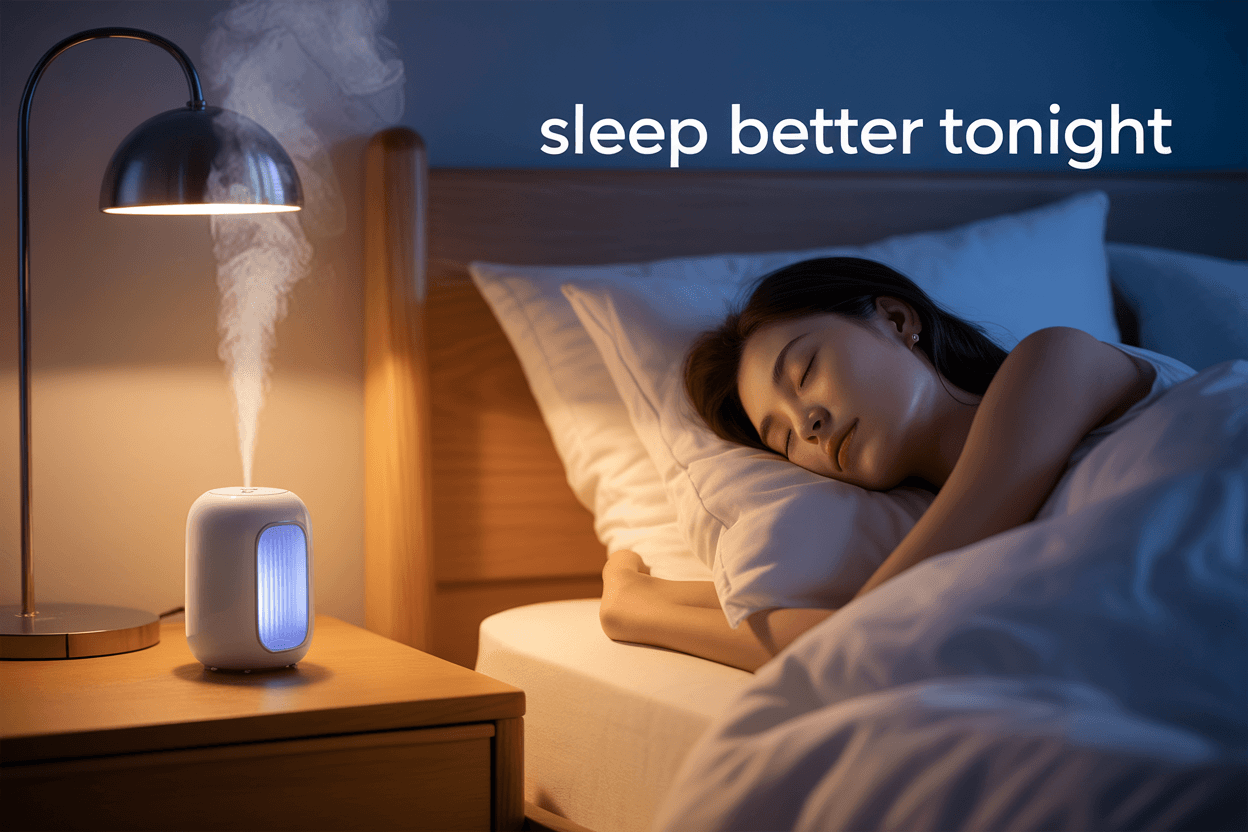
Sleep Better Tonight: The Essential Mini Humidifier for Bedroom
Struggling to get quality rest? You’re not alone. Poor sleep affects millions of people, and dry bedroom air might be the hidden culprit sabotaging your nightly recovery.
This guide is perfect for anyone dealing with restless nights, dry skin, or morning congestion. You’ll also find this helpful if you live in a dry climate, use heating systems that zap moisture from the air, or simply want to create the ideal sleep environment.
We’ll explore how dry air disrupts your natural sleep patterns and the health consequences of consistently poor sleep quality. You’ll also discover the key benefits a mini humidifier brings to your bedroom and learn exactly which features matter most when choosing the right one for your space.
Ready to transform your sleep sanctuary? Let’s dive into why adding moisture to your bedroom air could be the game-changer you’ve been searching for.
Why Poor Sleep Quality Affects Your Health and Daily Performance

Physical symptoms of inadequate rest and recovery
Your body performs critical repair work while you sleep, and without quality rest, these processes suffer dramatically. Sleep deprivation triggers a cascade of physical symptoms that impact every system in your body. Your muscles ache more after exercise because they can’t recover properly. Your skin looks dull and ages faster as cellular repair slows down. Your digestive system struggles, leading to increased appetite for unhealthy foods and weight gain.
Blood pressure rises when you’re chronically sleep-deprived, putting extra strain on your cardiovascular system. Your body’s ability to regulate blood sugar becomes impaired, increasing diabetes risk. Even your coordination and reaction times deteriorate, making you more prone to accidents and injuries during daily activities.
The stress hormone cortisol remains elevated when you don’t get enough sleep, creating a vicious cycle where high stress makes it even harder to achieve restorative rest. Your body essentially gets stuck in survival mode, unable to perform the maintenance tasks that keep you healthy and energized.
Mental fog and concentration issues from sleep deprivation
Poor sleep quality directly attacks your cognitive abilities, leaving you struggling with tasks that should feel effortless. Your brain relies on sleep to consolidate memories and clear out metabolic waste that accumulates during waking hours. Without adequate rest, this cleaning process fails, leaving you with clouded thinking and poor decision-making abilities.
Working memory suffers significantly, making it difficult to hold information in your mind while processing new data. You might find yourself reading the same paragraph multiple times or forgetting what someone just said mid-conversation. Creative problem-solving becomes nearly impossible as your brain lacks the resources to make new connections between ideas.
Attention span shortens dramatically, and you become easily distracted by things that wouldn’t normally bother you. Simple tasks take longer to complete, and the quality of your work drops noticeably. Your brain’s ability to filter relevant information from distractions becomes impaired, making focused work feel like an uphill battle.
Immune system weakness linked to poor sleep environments
Your immune system depends heavily on quality sleep to function at full capacity. During deep sleep phases, your body produces infection-fighting antibodies and cells that patrol for threats. Poor sleep environments, particularly those with dry air, compound this problem by compromising your body’s first line of defense – your respiratory system.
Dry air irritates nasal passages and throat tissues, creating tiny cracks where bacteria and viruses can enter more easily. Your natural mucus barriers become less effective at trapping pathogens, leaving you vulnerable to respiratory infections. Sleep-deprived individuals catch colds and flu more frequently and take longer to recover from illnesses.
The inflammatory response becomes dysregulated when you don’t sleep well, leading to chronic low-grade inflammation throughout your body. This persistent inflammation weakens your overall immune response and contributes to various health problems over time.
Long-term health risks of chronic sleep problems
Consistently poor sleep quality sets the stage for serious health complications that can dramatically reduce your quality of life and lifespan. Cardiovascular disease risk increases substantially, with studies showing that people who sleep less than six hours per night have a significantly higher risk of heart attack and stroke.
Type 2 diabetes becomes more likely as your body’s ability to process glucose deteriorates. Mental health suffers as well, with chronic sleep problems strongly linked to depression and anxiety disorders. Your brain’s ability to regulate emotions becomes compromised, making it harder to cope with daily stressors.
Cognitive decline accelerates with poor sleep, potentially increasing dementia risk later in life. Your body’s ability to maintain healthy weight becomes impaired as hormones that control hunger and satiety get disrupted. Cancer risk may even increase, as sleep deprivation interferes with the immune system’s ability to detect and destroy abnormal cells before they become problematic.
How Dry Air Disrupts Your Natural Sleep Cycle

Breathing Difficulties Caused by Low Humidity Levels
When humidity drops below 30%, your respiratory system starts working overtime. The dry air pulls moisture from your nasal passages and throat, creating a cascade of problems that directly interfere with sleep quality. Your mucous membranes, which normally trap dust and allergens, become less effective when they’re dried out. This means you’re breathing in more irritants, leading to inflammation and congestion.
The body responds by producing more mucus to compensate, but this thicker secretion can actually make breathing more labored. You might find yourself mouth-breathing during sleep, which only makes the drying effect worse. This creates a cycle where your airways become increasingly irritated as the night progresses, causing frequent wake-ups and restless sleep.
Skin and Nasal Irritation That Keeps You Awake
Dry bedroom air doesn’t just affect your breathing—it attacks your skin too. Your face, lips, and the delicate skin inside your nose lose moisture rapidly in low-humidity environments. This creates an uncomfortable scratchy, tight feeling that can jolt you awake multiple times throughout the night.
Nasal irritation becomes particularly troublesome as dried mucous membranes crack and become inflamed. You might experience:
- Burning sensations in the nostrils
- Frequent nosebleeds, especially upon waking
- Crusty buildup around nasal passages
- General facial discomfort that prevents deep sleep
The constant urge to touch, rub, or scratch these irritated areas creates micro-awakenings that fragment your sleep cycles, preventing you from reaching the restorative deep sleep stages your body needs.
Increased Snoring and Sleep Apnea Symptoms
Dry air significantly worsens snoring by causing tissues in your throat and nasal passages to become swollen and sticky. When these tissues lose their natural moisture, they vibrate more intensely as air passes through, creating louder and more frequent snoring episodes.
For people with sleep apnea, low humidity creates even more serious problems. The already-compromised airway becomes further restricted when tissues swell due to dryness. This leads to:
- More frequent breathing interruptions
- Longer apnea episodes
- Increased oxygen desaturation
- Greater strain on the cardiovascular system during sleep
Partners of snorers also suffer sleep disruption, creating a bedroom-wide sleep quality problem that affects everyone’s health and daytime performance.
Temperature Regulation Problems in Dry Environments
Your body’s natural cooling system relies heavily on moisture evaporation from your skin and respiratory system. In dry environments, this process becomes imbalanced, making it harder to maintain optimal sleep temperature. You might feel simultaneously hot and cold—your skin feels warm and dry while your respiratory system struggles with the lack of moisture.
Dry air also affects your body’s perception of temperature. Rooms with low humidity feel cooler than they actually are, leading to thermostat adjustments that create uncomfortable temperature swings throughout the night. This temperature confusion disrupts your circadian rhythm, as your body uses temperature drops as a natural sleep cue.
The lack of moisture also means your bedding and pajamas don’t breathe properly, trapping heat in some areas while allowing excessive cooling in others. This creates an uncomfortable sleep environment that prevents the steady, comfortable conditions necessary for uninterrupted rest.
Key Benefits of Adding a Mini Humidifier to Your Bedroom
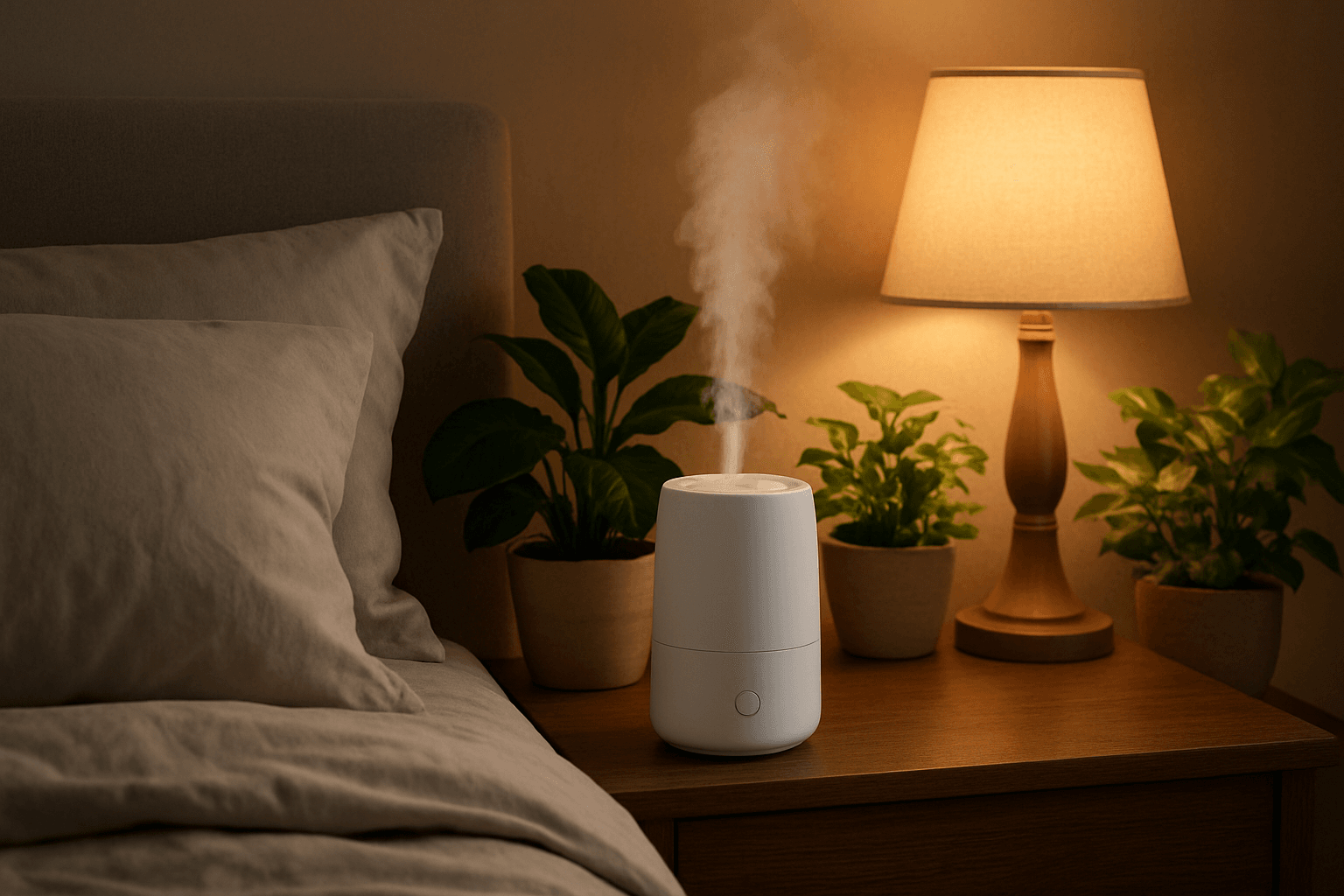
Improved respiratory comfort throughout the night
Breathing becomes effortless when your bedroom air contains the right amount of moisture. Dry air forces your respiratory system to work overtime, causing your nasal passages and throat to become irritated and inflamed. A mini humidifier adds the perfect amount of moisture to help your airways stay naturally lubricated.
Your nose acts as your body’s first line of defense against airborne particles, but it needs adequate humidity to function properly. When the air is too dry, your nasal membranes can’t trap dust, allergens, and other irritants effectively. This leads to congestion, snoring, and frequent wake-ups during the night. With optimal humidity levels between 40-60%, your nasal passages maintain their natural protective barrier.
People with asthma, allergies, or chronic respiratory conditions notice significant improvements in their nighttime breathing. The moisturized air reduces the likelihood of coughing fits, throat scratching, and the dry mouth sensation that often accompanies mouth breathing. Your throat tissues stay hydrated, preventing that scratchy feeling that can jolt you awake.
Reduced static electricity and skin dryness
Static electricity becomes a real problem when humidity drops below 30%. You’ve probably experienced those annoying shocks when touching doorknobs or getting out of bed. A mini humidifier eliminates this issue by maintaining proper moisture levels in your bedroom air.
Your skin loses moisture constantly throughout the night, especially during winter months when heating systems further dry out indoor air. This leads to:
- Flaky, itchy skin that disrupts sleep
- Cracked lips and dry patches
- Premature aging from dehydration
- Eczema flare-ups and skin sensitivity
Proper humidity levels help your skin retain its natural moisture barrier. You’ll wake up with softer, more supple skin instead of feeling like you need to immediately reach for lotion. Your hair benefits too – no more waking up with flyaway strands or brittle ends.
The electrostatic charge buildup that causes hair to stick to pillows and creates uncomfortable clothing cling disappears when humidity levels are balanced. This creates a more comfortable sleeping environment where you’re not constantly adjusting due to static-related irritation.
Enhanced sleep quality through optimal humidity levels
Sleep architecture – the natural pattern of sleep stages – depends heavily on environmental comfort. When humidity levels fall outside the ideal range, your body spends extra energy trying to maintain proper hydration levels, which can fragment your sleep cycles.
Comfortable humidity levels help regulate your body temperature during sleep. Dry air makes it harder for your body to cool down naturally through perspiration, while overly humid air can make you feel sticky and uncomfortable. The sweet spot around 45-55% humidity allows your natural cooling mechanisms to work efficiently.
Your bedroom becomes a sanctuary where you can achieve deeper, more restorative sleep phases. REM sleep – the stage responsible for memory consolidation and mental recovery – lasts longer when you’re not being disturbed by dry air discomfort. You’ll find yourself waking up fewer times during the night and feeling more refreshed in the morning.
Many people report falling asleep faster in properly humidified rooms. The comfortable breathing and absence of dry air irritation help your nervous system relax more quickly, reducing the time it takes to transition from wakefulness to sleep.
Essential Features to Look for in a Bedroom Mini Humidifier
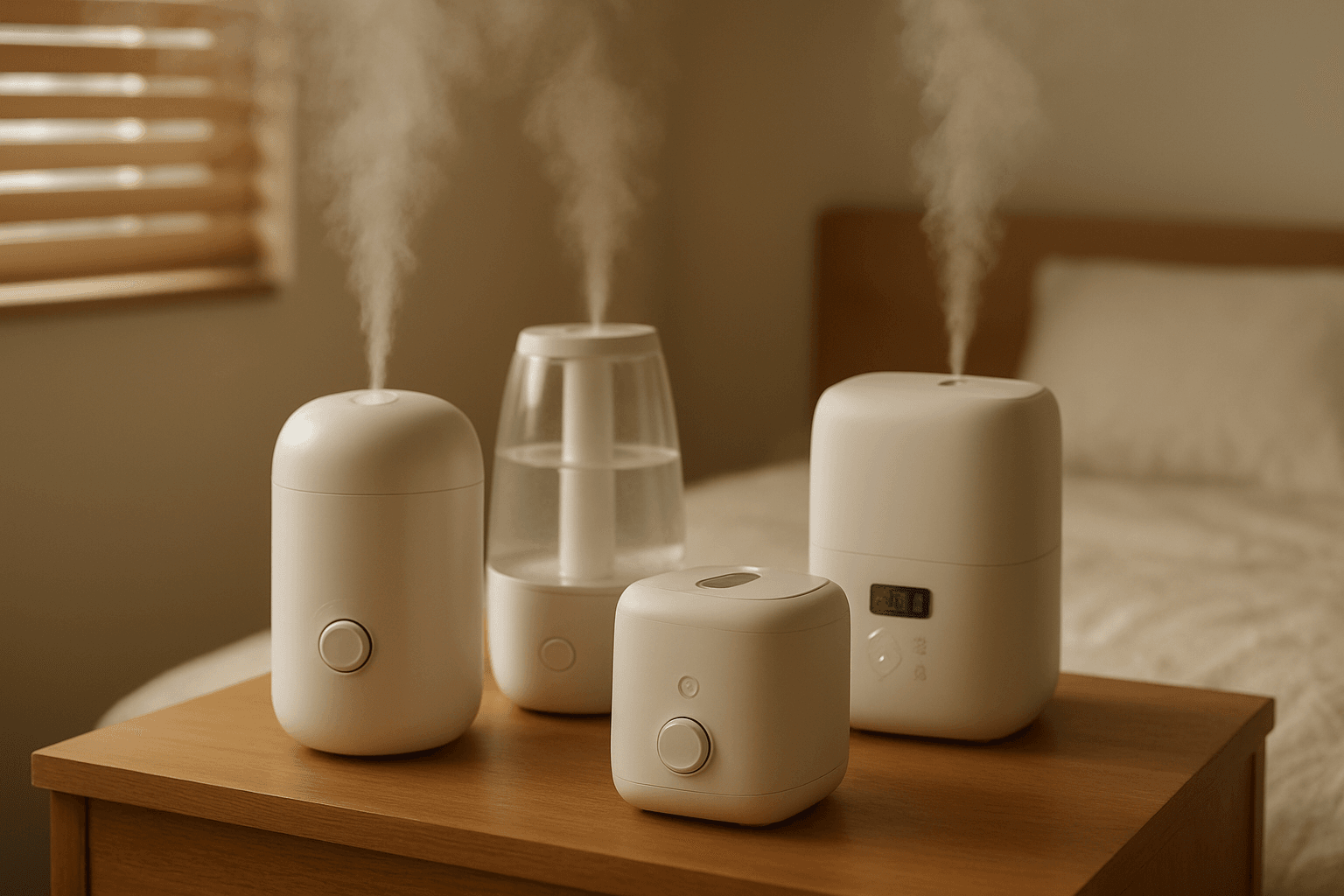
Quiet Operation for Undisturbed Sleep
The last thing you want is a humidifier that sounds like a freight train running through your bedroom all night. Look for models that operate at 35 decibels or lower – that’s quieter than most libraries. Ultrasonic humidifiers typically offer the quietest operation since they use high-frequency vibrations instead of fans to create mist. Many quality units produce barely a whisper, with only the gentle sound of water droplets occasionally breaking the silence. Some even feature sleep modes that reduce any operational noise to practically nothing after bedtime hours.
Appropriate Tank Capacity for All-Night Use
Your humidifier needs enough water to last through the entire night without running dry. For most bedrooms, a tank holding 0.5 to 1 liter provides adequate coverage for 8-10 hours of continuous operation. Smaller tanks around 300ml work fine for compact spaces or personal use near your bedside, but they’ll require refilling halfway through the night. Larger tanks holding 1.5-2 liters can run for 12-15 hours, perfect if you want consistent humidity throughout the day and night without constant monitoring.
| Tank Size | Runtime | Best For |
|---|---|---|
| 300ml | 4-6 hours | Personal bedside use |
| 500ml-1L | 8-10 hours | Standard bedrooms |
| 1.5-2L | 12-15 hours | Larger rooms, all-day use |
Easy Maintenance and Cleaning Requirements
Nobody wants to spend their weekends scrubbing complicated humidifier parts. Choose models with wide-mouth tanks that allow easy access for cleaning and refilling. Removable water tanks that you can take directly to the sink make daily maintenance much simpler. Look for units with smooth surfaces inside the tank – textured or ribbed interiors trap mineral deposits and bacteria. Some humidifiers feature dishwasher-safe components, which dramatically reduces your cleaning workload. Avoid models with hard-to-reach corners or complex internal mechanisms that require special tools or procedures to clean properly.
Safety Features Including Auto Shut-Off
Safety should never be an afterthought when running electrical appliances overnight. Auto shut-off functionality stops the unit when water levels drop too low, preventing potential damage to the heating element or ultrasonic plate. This feature also prevents the unit from running dry, which can create unpleasant burning smells or even pose fire risks. Look for models with tip-over protection that automatically shuts down if accidentally knocked over. Some advanced units include humidity sensors that prevent over-humidification by stopping operation when optimal levels are reached.
Adjustable Mist Output Controls
Different seasons and personal preferences require different humidity levels. Variable mist controls let you fine-tune the output from barely noticeable to full power. Digital models often provide precise percentage settings, while manual units typically offer low, medium, and high settings. Some feature timer functions that automatically adjust output throughout the night – starting higher when you first go to bed and tapering off toward morning. Remote controls add convenience for bedside adjustments without getting up, especially helpful during cold winter nights when leaving your warm bed feels impossible.
Strategic Placement and Usage Tips for Maximum Effectiveness
Optimal positioning distance from your bed
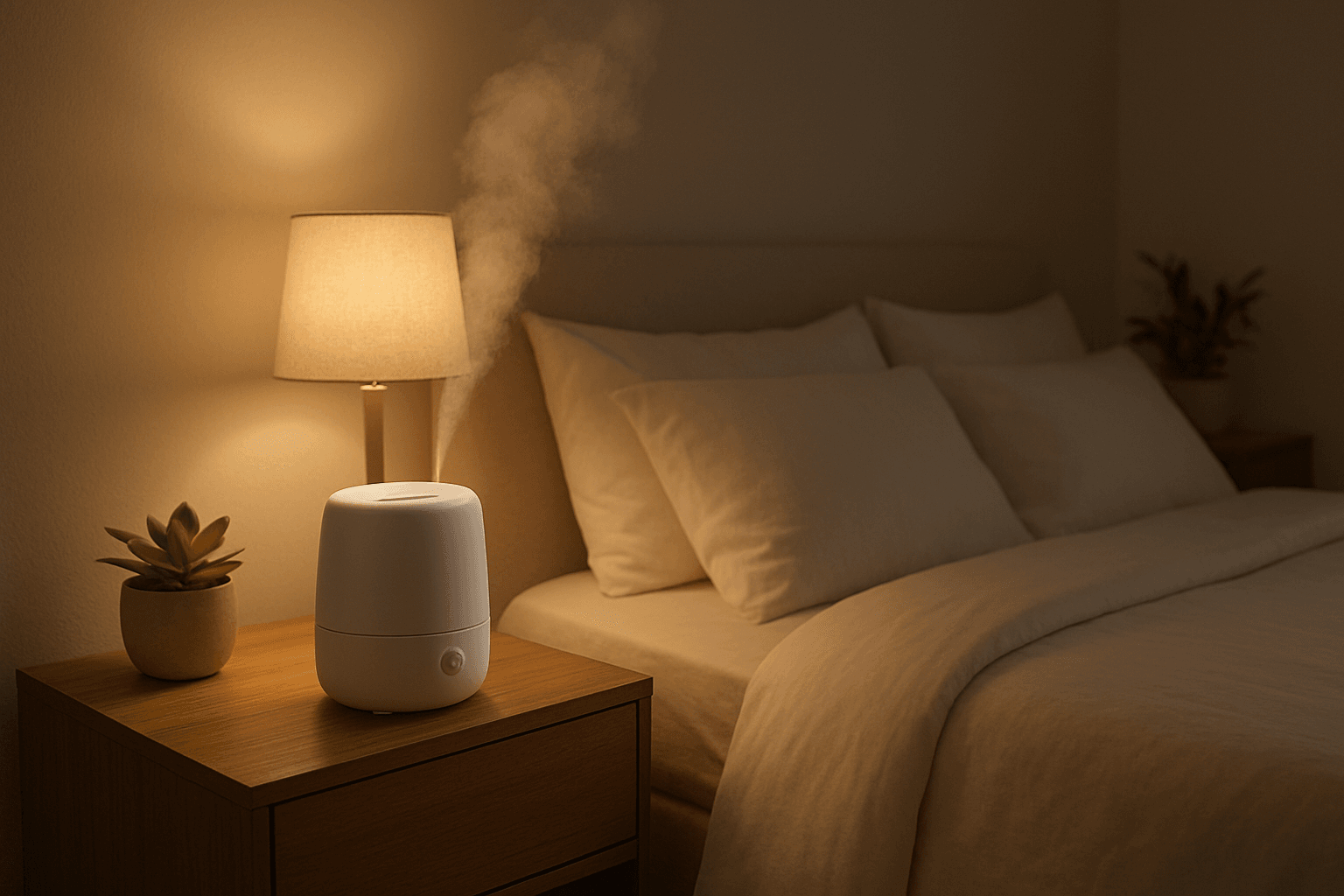
Place your mini humidifier 3 to 6 feet away from your bed for the sweet spot of effectiveness. This distance gives the moisture enough space to disperse evenly throughout your bedroom without creating a localized humid zone that might feel uncomfortable or cause condensation on nearby surfaces.
Avoid putting the humidifier directly on your nightstand or too close to your pillow. When positioned too near, you might wake up feeling damp or sticky, especially if you’re a side sleeper. The mist can also settle on your bedding, creating an unpleasant clammy sensation.
Keep the unit elevated on a dresser or small table rather than placing it on the floor. Hot air rises and cool air sinks, so positioning your humidifier at mid-room height helps distribute moisture more effectively across the breathing zone where you sleep. Make sure there’s adequate clearance around the unit – at least 12 inches on all sides – to prevent moisture buildup on walls or furniture.
Ideal humidity levels for sleep comfort
Your bedroom humidity should stay between 40% and 60% for optimal sleep quality. This range supports your respiratory system without encouraging dust mites or mold growth. Most people find the magic number sits around 45-50% for the most comfortable night’s rest.
Invest in a hygrometer to monitor humidity levels accurately. These inexpensive devices take the guesswork out of humidifier operation and help you avoid over-humidifying your space. Many modern mini humidifiers come with built-in humidity sensors, making it even easier to maintain consistent levels.
During winter months, aim for the lower end of this range (40-45%) since heated indoor air tends to be extremely dry. Summer typically requires less humidification, and you might find 45-50% feels perfect when air conditioning is running regularly.
| Season | Ideal Range | Reason |
|---|---|---|
| Winter | 40-45% | Counteracts dry heated air |
| Summer | 45-50% | Balances AC-dried air |
| Spring/Fall | 45-55% | Natural seasonal comfort |
Best practices for nighttime operation
Run your humidifier 1-2 hours before bedtime to pre-condition your bedroom’s air. This gives moisture time to distribute evenly and reach your target humidity level before you settle in for sleep. Many people make the mistake of turning on their humidifier right as they climb into bed, which means they’re breathing dry air for the first few hours of sleep.
Use distilled or demineralized water to prevent white dust buildup and reduce maintenance needs. Tap water contains minerals that get dispersed into the air along with the moisture, potentially causing respiratory irritation for sensitive sleepers. While distilled water costs more upfront, it extends your humidifier’s lifespan and keeps your bedroom air cleaner.
Set your humidifier to automatic mode if available, or use a timer function to avoid over-humidification during the night. Running the unit continuously for 8+ hours can push humidity levels too high, especially in smaller bedrooms. Most people benefit from 4-6 hours of operation, which covers the critical deep sleep phases when your body needs optimal air quality most.
Clean your humidifier’s water tank every 2-3 days and perform a deep clean weekly with white vinegar to prevent bacteria and mold growth. A dirty humidifier can actually worsen your sleep quality by dispersing harmful microorganisms into the air you’re breathing all night long.
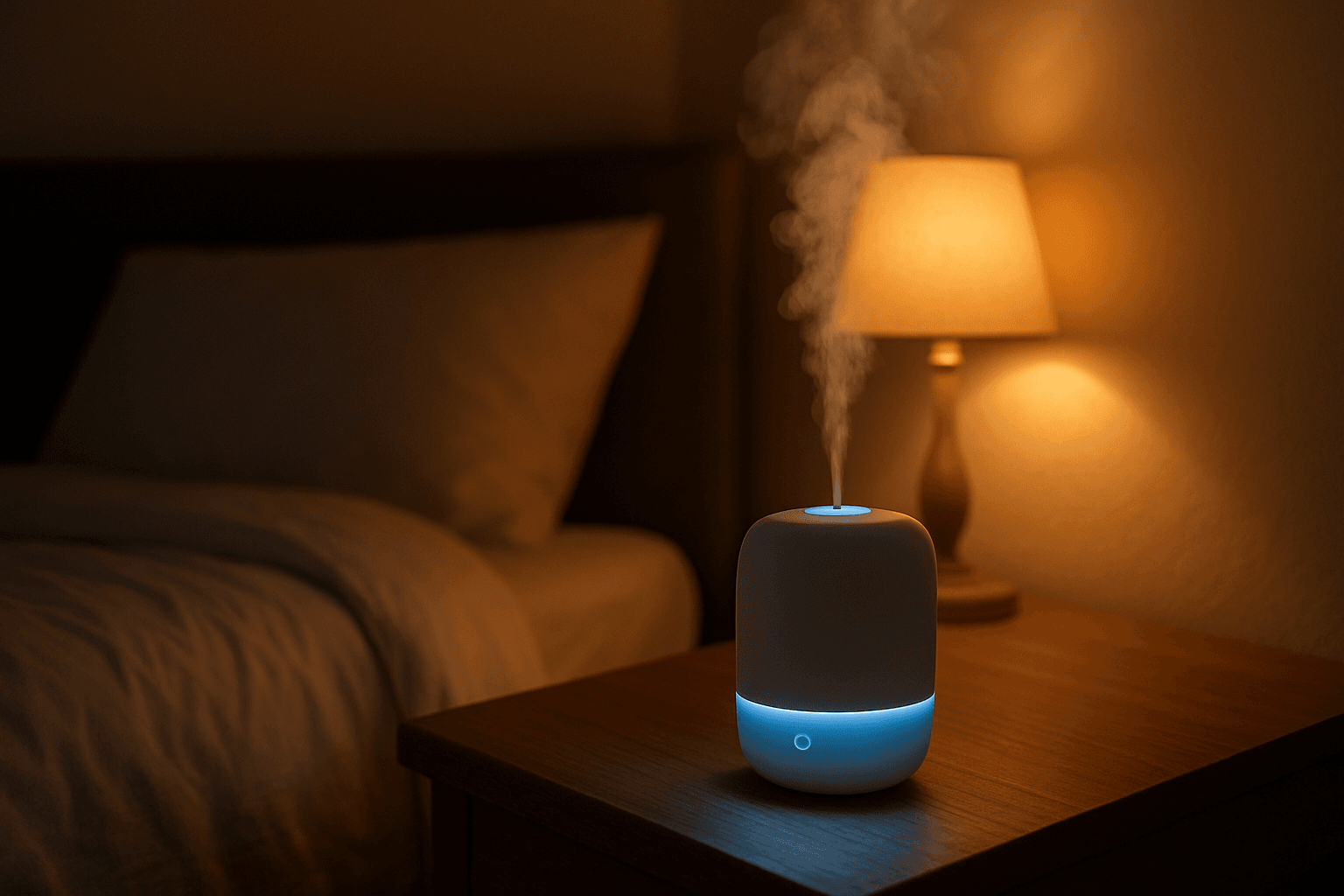
Getting good sleep doesn’t have to be complicated, but the air quality in your bedroom plays a bigger role than most people realize. When the air is too dry, your body works overtime just to stay comfortable, leading to restless nights and groggy mornings. A simple mini humidifier can transform your sleep environment by maintaining the right moisture levels, helping you breathe easier, and keeping your skin and throat from drying out overnight.
The best part is that you don’t need anything fancy or expensive to see real results. Focus on finding a quiet unit that holds enough water to last through the night, and place it where it can circulate moisture evenly without being too close to your bed. Your body will thank you for creating an environment where it can actually rest and recover properly. Sweet dreams start with the air you breathe, so why not make it work for you instead of against you?
Best Humidifiers : Humidifiers For Home (Buying Guide)
FAQ Questions and Responses
Will a small humidifier work in a bedroom?
Absolutely! A small humidifier—often referred to as a mini humidifier—is perfectly effective for most standard-sized bedrooms, which typically fall between 100-300 square feet. Look for a unit with an appropriate tank capacity (around 0.5 to 1 liter) that can run for 8-10 hours on a quiet setting. The key is strategic placement 3 to 6 feet away from your bed to ensure the moisture disperses evenly, transforming your space into an ideal sleep environment without over-humidifying.
Is it good to sleep with a humidifier in your bedroom?
Yes, sleeping with a humidifier is highly recommended, especially if you struggle with dry air, morning congestion, or dry skin. Maintaining optimal humidity levels between 40-60% while you sleep helps your body perform crucial nighttime recovery by keeping your respiratory system hydrated. This can significantly reduce snoring, relieve nasal irritation, and lead to enhanced sleep quality by minimizing breathing difficulties caused by low humidity.
What are mini humidifiers good for?
Mini humidifiers are essential for improving indoor air quality and boosting your overall well-being. Their main benefit is to alleviate the health consequences of dry air, like irritation and inflammation, by adding moisture back into the environment. They are especially good for creating a superior sleep sanctuary by improving respiratory comfort, reducing skin dryness, preventing static electricity, and supporting your immune system during critical rest periods.