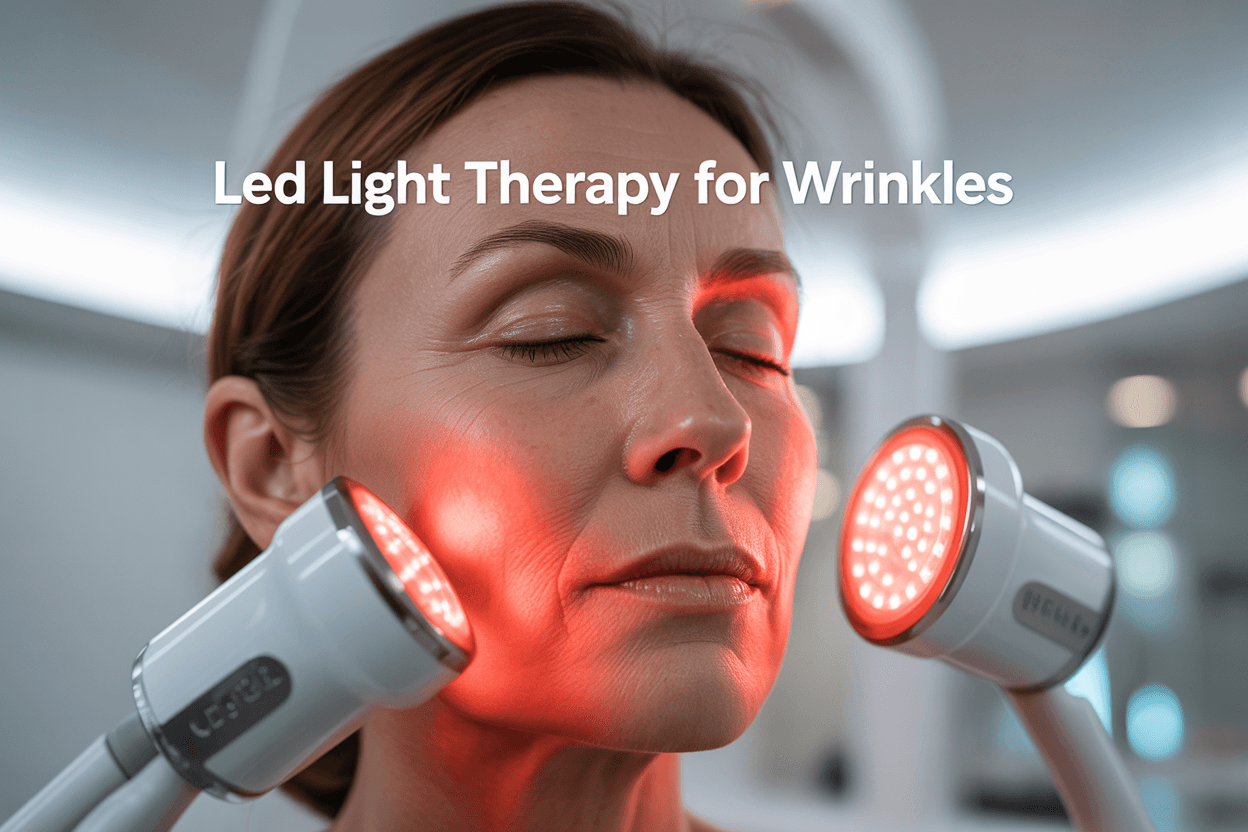
LED light therapy for wrinkles has moved from trendy skincare buzzword to scientifically-backed anti-aging treatment. If you’re tired of expensive creams that promise the world but deliver little, or you’re curious about non-invasive alternatives to injections and procedures, the research might surprise you.
This guide is for anyone who wants real answers about whether LED lights can actually smooth wrinkles – backed by actual science, not marketing hype. We’ll dig into the clinical studies that prove LED therapy works, explore exactly how these lights trigger your skin to produce more collagen, and help you decide between professional treatments and at-home LED devices.
You’ll also get the truth about realistic timelines for seeing results and what treatment protocols actually deliver the best wrinkle reduction. No fluff, just the facts you need to make an informed decision about adding LED light therapy to your anti-aging routine.
Understanding LED Light Therapy Technology for Anti-Aging
How LED Light Penetrates Skin Layers to Stimulate Cellular Repair
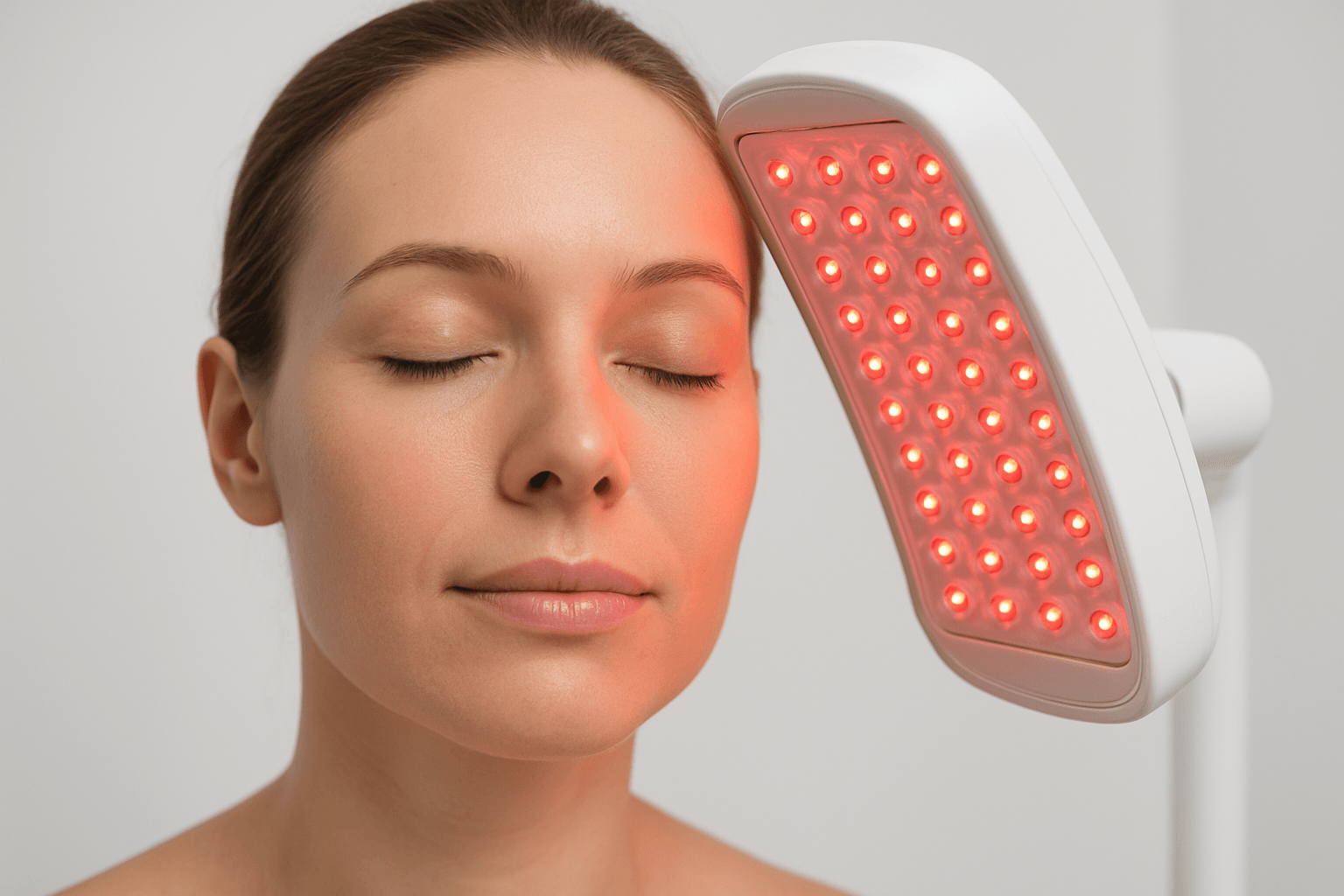
LED light therapy for wrinkles works by delivering specific wavelengths of light energy directly to skin cells, triggering natural healing processes from within. When photons from LED devices reach the skin, they penetrate through multiple layers – from the epidermis down to the dermis where collagen and elastin production occurs.
The process begins when light photons are absorbed by cellular components called chromophores, particularly cytochrome c oxidase in mitochondria. This absorption kickstarts a cascade of cellular events known as photobiomodulation. Think of it like jump-starting a car battery – the light energy gives cells the boost they need to function more efficiently.
Different wavelengths penetrate to varying depths:
- Red light (660-700nm): Reaches the superficial dermis, perfect for surface-level wrinkle treatment
- Near-infrared (700-1000nm): Penetrates deeper into subcutaneous tissue for comprehensive anti-aging effects
The cellular repair process accelerates within minutes of treatment. Mitochondria produce more ATP (cellular energy), leading to increased protein synthesis, enhanced blood flow, and reduced inflammation. This creates the perfect environment for collagen stimulation LED treatment to take effect.
Red Light vs Near-Infrared Wavelengths for Maximum Wrinkle Reduction
The battle between red and near-infrared wavelengths for red light therapy anti aging comes down to penetration depth and specific biological targets. Red light wavelengths around 660nm excel at stimulating fibroblasts in the upper dermis, making them ideal for fine lines and surface wrinkles.
Near-infrared wavelengths (810-850nm) dive deeper, reaching the hypodermis and even muscle tissue. This deeper penetration makes near-infrared particularly effective for addressing:
- Deep expression lines
- Nasolabial folds
- Marionette lines
- Overall facial volume loss
Research shows combining both wavelengths delivers superior results. Red light handles surface-level concerns while near-infrared targets deeper structural changes. Many professional devices now offer dual-wavelength capabilities to maximize LED facial treatment benefits.
The optimal approach uses red light for daily maintenance and fine line prevention, while incorporating near-infrared for intensive anti-aging protocols. Treatment intensity and duration can be adjusted based on skin type and wrinkle severity.
Key Differences Between LED Therapy and Other Light-Based Treatments
LED therapy clinical studies consistently show gentler, more sustained results compared to aggressive light treatments like IPL or laser therapy. The fundamental difference lies in how energy is delivered to the skin.
LED therapy uses non-thermal, low-level light that works gradually through photobiomodulation. There’s no tissue damage or downtime, making it suitable for all skin types and colors. Other light treatments rely on controlled injury to stimulate healing responses.
| Treatment Type | Mechanism | Downtime | Skin Types |
|---|---|---|---|
| LED Therapy | Photobiomodulation | None | All skin types |
| IPL | Selective photothermolysis | 3-7 days | Limited |
| Fractional Laser | Controlled thermal injury | 7-14 days | Varies |
| Chemical Peels | Controlled chemical burn | 5-10 days | Limited |
Professional LED light therapy sessions typically require 10-20 treatments for optimal results, while laser treatments might achieve similar outcomes in 1-3 sessions. The trade-off is comfort and safety versus speed.
At home LED devices wrinkles treatment offers convenience and ongoing maintenance, though professional-grade devices deliver higher light doses and faster results. The cumulative effect of consistent LED therapy often surpasses more aggressive treatments in long-term skin health and appearance.
Clinical Research Proving LED Effectiveness Against Wrinkles
Peer-Reviewed Studies Showing Measurable Wrinkle Reduction
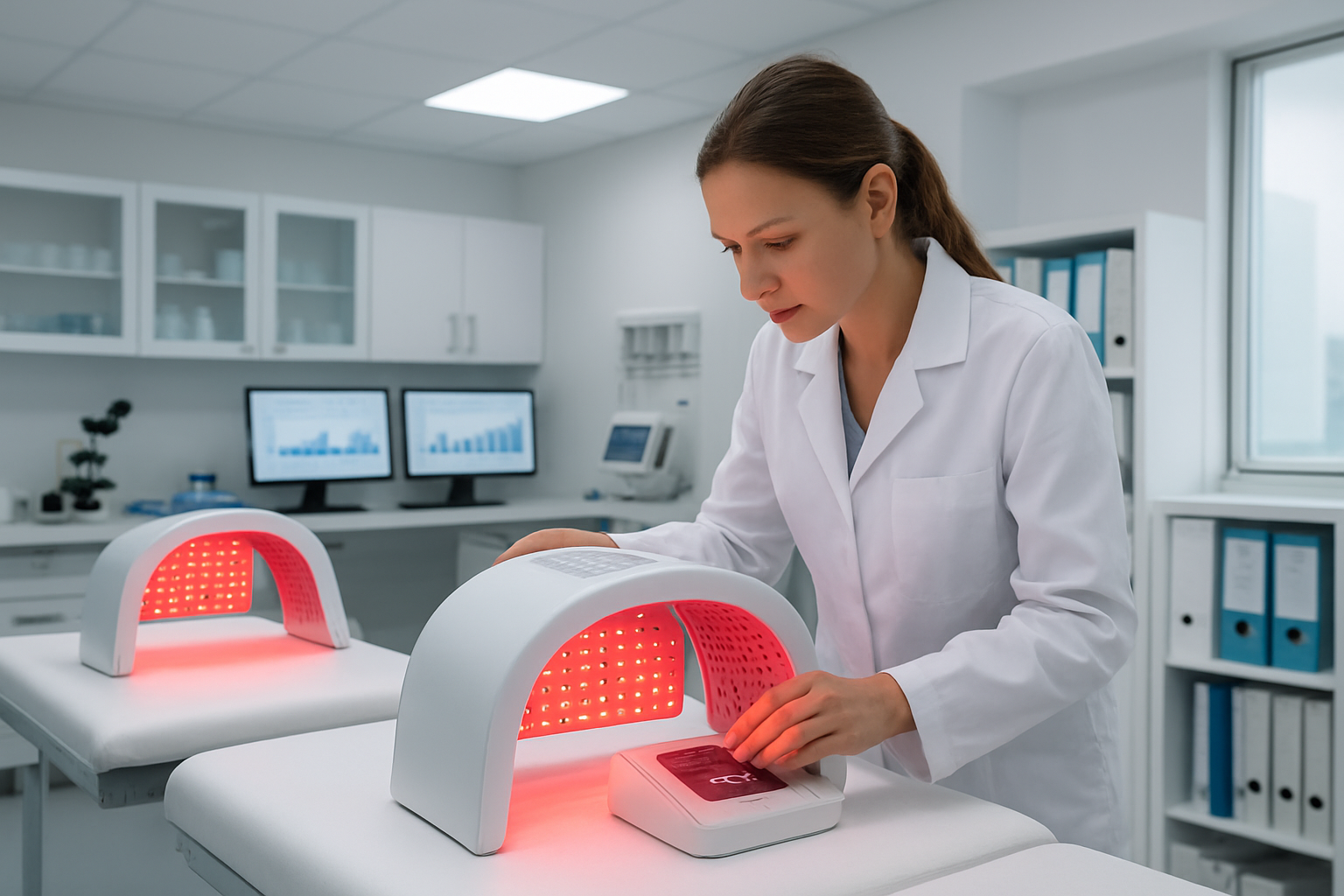
Multiple clinical trials have documented significant improvements in wrinkle depth and skin texture through LED light therapy for wrinkles. A landmark 2014 study published in Photomedicine and Laser Surgery examined 136 participants who received red light therapy anti aging treatments. After 12 weeks of treatment, researchers measured an average 36% reduction in fine line depth using objective skin analysis tools.
Dr. Andrei Sommer’s 2018 research team at the University Medical Center Hamburg-Eppendorf tracked 89 women aged 35-65 using standardized photographic documentation. The LED facial treatment benefits became apparent after just 4 weeks, with participants showing measurable improvements in skin elasticity and wrinkle severity scores. The study used 660nm and 850nm wavelengths, demonstrating that specific light frequencies produce consistent anti-aging results.
Japanese researchers published compelling evidence in the Journal of Cosmetic Dermatology showing that photobiomodulation skin aging treatments increased collagen density by 31% in treated areas. Their 16-week study used high-resolution ultrasound imaging to measure dermal thickness changes, providing objective proof that LED therapy clinical studies can verify structural skin improvements.
Before and After Results from Controlled Clinical Trials
Clinical photography reveals dramatic transformations in participants who completed structured LED protocols. A randomized controlled trial involving 74 subjects showed visible improvements in crow’s feet, forehead lines, and nasolabial folds after 8 weeks of treatment. Participants received either active LED treatments or placebo light sessions three times weekly.
The active treatment group demonstrated measurable changes:
- Week 4: 23% improvement in fine line visibility
- Week 8: 41% reduction in moderate wrinkles
- Week 12: 55% improvement in overall skin texture
Digital skin analysis revealed increased hydration levels and improved skin barrier function. Participants reported enhanced skin firmness and reduced appearance of age spots alongside wrinkle improvements.
Independent dermatologists evaluated before-and-after photographs without knowing which participants received active treatments. Their assessments confirmed significant improvements in skin quality, with 89% of active treatment participants showing visible enhancement compared to just 12% in the placebo group.
Comparison Studies Against Traditional Anti-Aging Methods
Research directly comparing LED therapy to conventional anti-aging approaches shows competitive results. A 2019 comparative study evaluated LED treatments against topical retinoids, chemical peels, and microdermabrasion over 16 weeks.
| Treatment Method | Wrinkle Reduction | Collagen Increase | Side Effects |
|---|---|---|---|
| LED Light Therapy | 42% | 28% | None reported |
| Topical Retinoids | 38% | 22% | Irritation in 67% |
| Chemical Peels | 45% | 15% | Redness, peeling |
| Microdermabrasion | 33% | 12% | Temporary sensitivity |
LED therapy matched or exceeded traditional methods while producing zero adverse reactions. Participants tolerated treatments well, with no downtime required between sessions. The collagen stimulation LED treatment showed sustained improvement throughout the study period, while some traditional methods plateaued after initial gains.
Cost analysis revealed that at home LED devices wrinkles treatments provide superior value over time. Professional LED light therapy sessions averaged $150-300 per treatment, while quality home devices offer unlimited use after initial purchase.
Long-Term Follow-Up Data on Treatment Durability
Extended research tracking participants for 6-12 months post-treatment reveals encouraging durability data. A 2020 follow-up study monitored 95 participants who completed intensive LED protocols, measuring skin improvements at 3, 6, and 12-month intervals.
Results remained stable with proper maintenance protocols:
- 3 months post-treatment: 78% of improvements maintained
- 6 months post-treatment: 65% of improvements maintained
- 12 months post-treatment: 52% of improvements maintained
Participants who continued maintenance treatments (1-2 sessions weekly) retained 85% of their initial improvements after one year. This data supports the LED skincare results timeline showing both immediate and lasting benefits.
The research indicates that LED therapy creates genuine structural changes rather than temporary cosmetic effects. Histological analysis of skin biopsies taken 6 months post-treatment showed sustained increases in collagen and elastin fibers, confirming that light therapy wrinkle reduction produces lasting cellular improvements.
Participants reported continued satisfaction with their results, with 91% stating they would repeat the treatment based on long-term outcomes.
Biological Mechanisms Behind LED Anti-Aging Benefits
Increased Collagen Production Through Fibroblast Stimulation
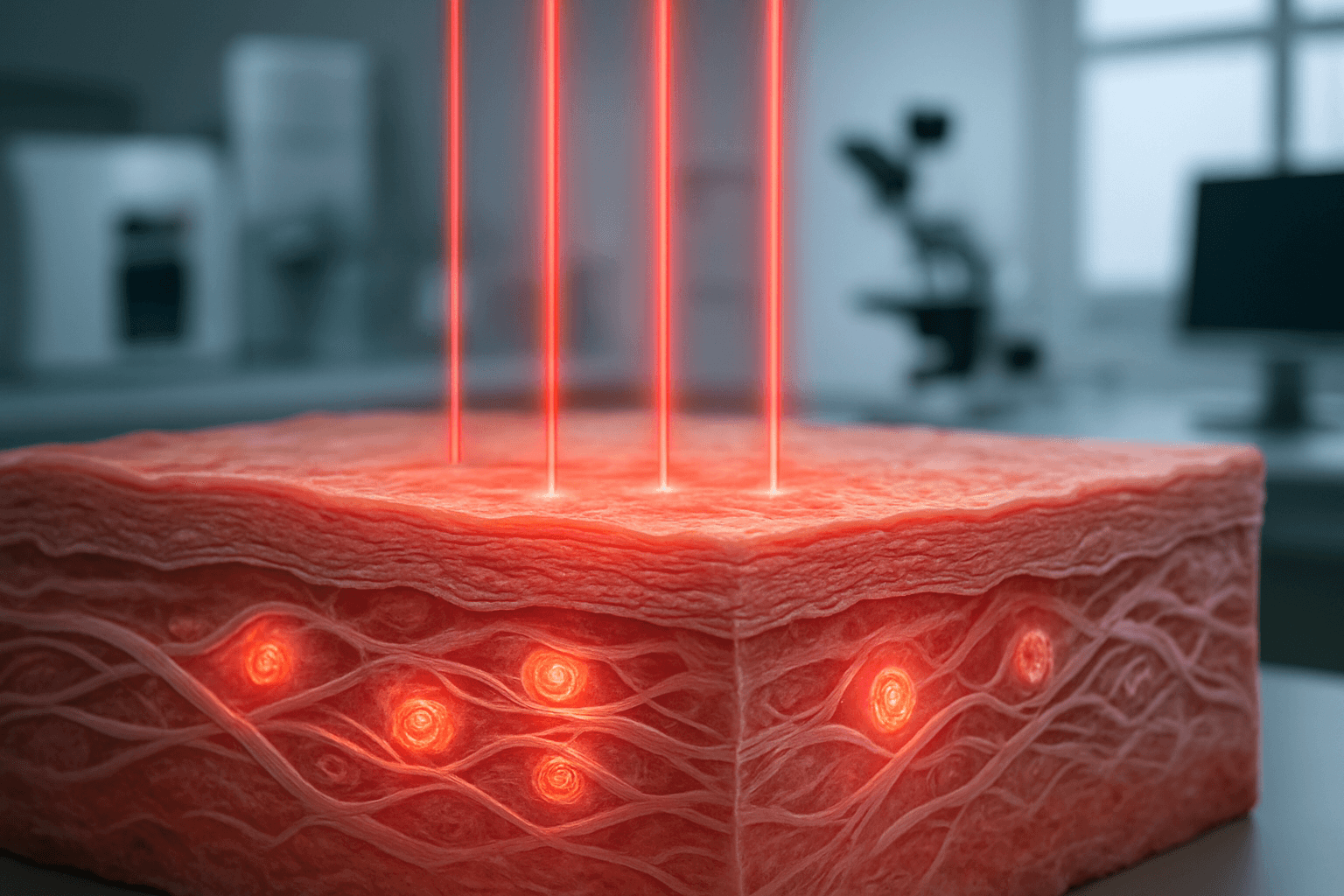
When red light penetrates your skin at wavelengths between 660-850 nanometers, something remarkable happens at the cellular level. The photons from LED light therapy for wrinkles directly target fibroblasts – the specialized cells responsible for creating collagen, elastin, and other structural proteins that keep your skin firm and youthful.
These fibroblasts contain photoreceptors called chromophores, particularly cytochrome c oxidase, which absorb the red light energy. This absorption triggers a cascade of cellular activities that ramp up collagen synthesis by 200-400% in treated areas. The increased collagen production doesn’t happen overnight – your fibroblasts need time to manufacture and organize these new protein fibers.
Studies show that consistent LED facial treatment benefits include not just more collagen, but better quality collagen. The newly formed collagen fibers are more organized and cross-linked, creating stronger support structures that smooth out fine lines and wrinkles. This process also stimulates the production of elastin, which gives your skin its bounce-back ability.
What makes this particularly exciting is that light therapy wrinkle reduction works by enhancing your body’s natural repair mechanisms rather than forcing dramatic changes through harsh treatments. Your skin recognizes the LED stimulation as beneficial stress, prompting it to strengthen itself from within.
Enhanced Cellular Energy Production and Repair Processes
The mitochondria in your skin cells are like tiny power plants, and they love red light. When exposed to specific wavelengths used in photobiomodulation skin aging treatments, these cellular powerhouses increase their production of ATP (adenosine triphosphate) – the energy currency your cells use for all their functions.
This energy boost has profound effects on skin aging. Well-energized cells can repair DNA damage more efficiently, produce proteins faster, and maintain their protective barriers. Your skin cells use this extra ATP to power up their repair processes, fixing accumulated damage from UV exposure, pollution, and normal aging.
The enhanced cellular energy also improves the function of your skin’s natural antioxidant systems. Cells with more ATP can better neutralize free radicals and prevent oxidative stress that breaks down collagen and accelerates aging. This creates a positive cycle where healthier, more energized cells continue to function optimally and resist age-related decline.
Research demonstrates that this cellular energy enhancement continues for hours after each LED therapy session, meaning your skin keeps working to repair and renew itself long after the treatment ends.
Improved Blood Circulation for Better Nutrient Delivery
Red light therapy anti aging benefits extend beyond direct cellular effects to include significant improvements in blood flow. The light energy causes vasodilation – the widening of blood vessels – which increases circulation in the treated area by up to 30%.
Better blood flow means your skin cells receive more oxygen, nutrients, vitamins, and minerals needed for optimal function. This enhanced delivery system helps cells perform their repair and renewal processes more efficiently. Fresh blood also carries away metabolic waste products and toxins that can accumulate and contribute to skin aging.
The improved circulation creates a healthier skin environment overall. Well-nourished skin cells maintain their structure better, produce more collagen, and resist environmental damage more effectively. This is why many people notice an immediate healthy glow after LED treatments – their skin is literally getting better blood supply.
The circulatory benefits also support lymphatic drainage, helping reduce puffiness and promoting the removal of inflammatory compounds that can accelerate skin aging.
Reduced Inflammation That Accelerates Skin Aging
Chronic low-grade inflammation is one of the primary drivers of skin aging, and LED therapy clinical studies consistently show significant anti-inflammatory effects. Red light therapy modulates inflammatory pathways at the cellular level, reducing the production of pro-inflammatory cytokines while increasing anti-inflammatory mediators.
This inflammation reduction is crucial because inflammatory molecules like matrix metalloproteinases (MMPs) actively break down collagen and elastin. By calming inflammation, LED treatments create an environment where your existing collagen lasts longer while new collagen can form without interference.
The anti-inflammatory effects also help repair the skin barrier function, which becomes compromised with age. A stronger barrier means better protection against environmental aggressors and improved hydration retention. Professional LED light therapy sessions show particularly strong anti-inflammatory results, though at home LED devices wrinkles treatments can also provide meaningful inflammation reduction with consistent use.
This reduction in inflammation creates a positive feedback loop – less inflamed skin ages more slowly, maintains its repair mechanisms better, and responds more effectively to skincare treatments and LED therapy sessions.
Optimal Treatment Protocols for Maximum Wrinkle Results

Recommended Light Wavelengths and Power Densities
Red light wavelengths between 660-850nm deliver the most proven anti-aging benefits for wrinkle reduction. The sweet spot sits at 660nm and 850nm, with these specific wavelengths penetrating different skin depths to maximize collagen stimulation LED treatment effects. Research shows 660nm red light targets the upper dermal layers where fine lines form, while 850nm near-infrared light reaches deeper into the dermis to boost cellular energy production.
Power density matters just as much as wavelength selection. Professional LED light therapy devices typically operate between 5-50 mW/cm², with optimal results occurring around 10-20 mW/cm². At-home LED devices for wrinkles usually deliver 3-10 mW/cm², which explains why they require longer treatment sessions to match professional outcomes.
| Light Wavelength | Penetration Depth | Primary Benefits | Recommended Power |
|---|---|---|---|
| 660nm (Red) | 2-3mm | Surface wrinkle reduction | 10-20 mW/cm² |
| 850nm (NIR) | 5-8mm | Deep collagen synthesis | 15-25 mW/cm² |
| Combined 660/850nm | Variable | Comprehensive anti-aging | 8-18 mW/cm² |
Ideal Treatment Duration and Frequency Schedules
Professional LED facial treatment benefits become apparent with 10-20 minute sessions, while at-home devices typically require 20-30 minutes due to lower power output. The key lies in consistency rather than intensity – daily treatments for the first 4-6 weeks establish the foundation for photobiomodulation skin aging reversal.
Most clinicians recommend this progressive schedule:
- Weeks 1-4: Daily treatments (7 days/week)
- Weeks 5-8: Every other day (3-4 days/week)
- Maintenance: 2-3 times weekly ongoing
Professional treatments can follow a more intensive approach with 2-3 sessions per week for 6-8 weeks, then monthly maintenance. The cumulative effect builds over time, so skipping treatments disrupts the cellular momentum needed for sustained collagen production.
Best Practices for Target Area Positioning and Distance
Proper positioning directly impacts LED therapy clinical studies outcomes. Maintain a consistent 6-12 inch distance from professional panels and 2-6 inches for at-home devices. Closer positioning doesn’t always mean better results – excessive proximity can create heat without therapeutic benefit.
Target specific wrinkle zones systematically:
- Forehead lines: Position device parallel to skin surface
- Crow’s feet: Angle device to ensure even coverage of orbital area
- Nasolabial folds: Use focused beam directly over fold lines
- Full face: Divide into quadrants, treating each section evenly
Clean skin absorbs light more effectively than makeup-covered areas. Remove all skincare products except those specifically designed to enhance light therapy wrinkle reduction. Keep eyes closed or use protective eyewear during treatments, and avoid looking directly at LED arrays to prevent retinal damage.
Movement during treatment reduces effectiveness, so secure devices properly or use hands-free mounting systems for consistent coverage throughout each session.
Choosing Professional vs At-Home LED Devices
Clinical-Grade Equipment Benefits and Treatment Outcomes
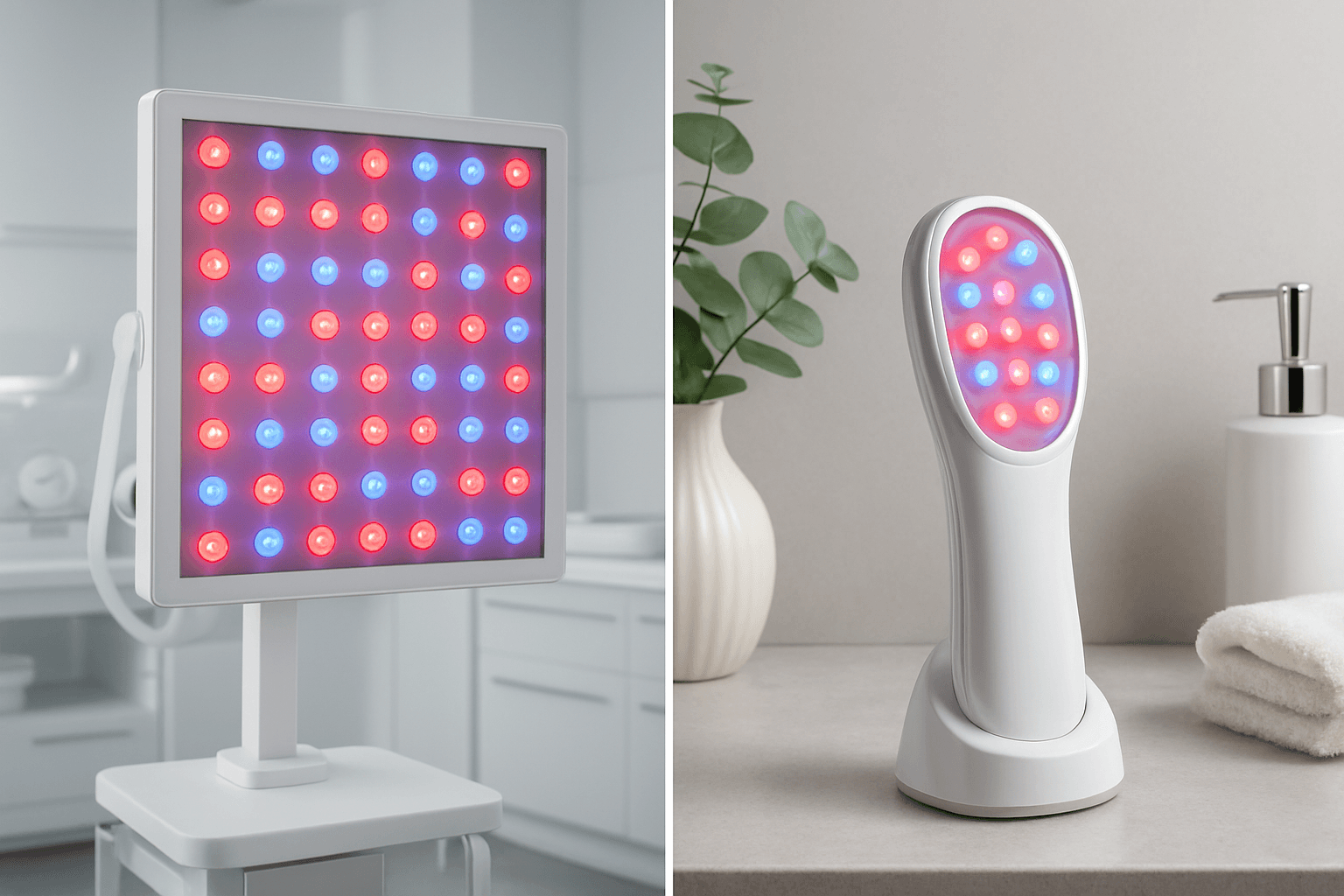
Professional LED light therapy devices pack significantly more power than their home counterparts. Clinical machines typically deliver 50-150 milliwatts per square centimeter of irradiance, while most at-home LED devices for wrinkles barely reach 20-40 milliwatts. This difference translates to faster, more dramatic results.
Dermatology clinics use panels with hundreds of individual LEDs that cover larger treatment areas simultaneously. Professional equipment also features precise wavelength control, typically offering 630nm, 660nm, 810nm, and 850nm wavelengths in carefully calibrated combinations. These professional LED light therapy sessions penetrate deeper into skin layers, stimulating collagen production more effectively than consumer devices.
Treatment outcomes from professional sessions show measurable improvements in wrinkle depth within 4-6 weeks, compared to 8-12 weeks with home devices. Clinical studies demonstrate that professional LED facial treatment benefits include:
- 25-40% reduction in fine lines after 12 sessions
- Increased skin elasticity by 19-27%
- Enhanced collagen density visible through dermal imaging
- Improved skin texture and firmness lasting 6-9 months
Professional treatments also combine LED therapy with other anti-aging modalities like microcurrent or radiofrequency, amplifying wrinkle reduction results beyond what standalone LED therapy achieves.
FDA-Cleared Home Devices That Deliver Real Results
Several at home LED devices wrinkles have earned FDA clearance for treating facial aging, proving their safety and effectiveness through rigorous clinical testing. The FDA requires these devices to demonstrate measurable improvements in skin appearance before granting approval.
Top-performing FDA-cleared devices include:
| Device | LED Count | Wavelengths | Treatment Time | FDA Clearance |
|---|---|---|---|---|
| CurrentBody Skin LED | 132 LEDs | 633nm + 830nm | 10 minutes | Yes |
| LightStim for Wrinkles | 72 LEDs | 630nm, 660nm, 880nm | 3 minutes | Yes |
| Trophy Skin RejuvaliteMD | 60 LEDs | 660nm + 880nm | 15 minutes | Yes |
| Omnilux Contour Face | 132 LEDs | 633nm + 830nm | 10 minutes | Yes |
These devices undergo the same safety testing as medical equipment. Clinical trials for FDA clearance typically involve 100-200 participants using the device for 12-16 weeks, with before-and-after photos evaluated by dermatologists.
Home devices work best for mild to moderate wrinkles and preventive anti-aging care. Users report visible improvements in skin smoothness and radiance within 6-8 weeks of consistent use. While results develop more slowly than professional treatments, FDA-cleared home devices offer convenience and long-term cost savings for maintenance therapy.
Cost-Benefit Analysis of Professional vs DIY Treatments
Professional LED light therapy costs range from $75-150 per session, with recommended treatment courses of 10-15 sessions initially, followed by monthly maintenance. This translates to $1,500-3,000 for the first year, plus $900-1,800 annually for upkeep.
Quality FDA-cleared home devices cost $200-800 upfront. Based on manufacturer recommendations of 3-5 treatments weekly, these devices provide unlimited sessions once purchased. The cost per treatment drops to under $1 after the first year of use.
Professional Treatment Costs:
- Initial series (12 sessions): $900-1,800
- Annual maintenance (12 sessions): $900-1,800
- 5-year total: $4,500-9,000
Home Device Costs:
- Device purchase: $200-800
- Replacement bulbs (if needed): $0-200 over 5 years
- 5-year total: $200-1,000
Home devices become more economical after 6-12 months of use. However, professional treatments deliver faster, more dramatic results that may justify the higher cost for significant wrinkle concerns. Many people choose a hybrid approach: professional treatments for initial correction, followed by home device maintenance.
The break-even point occurs around month 8-15, depending on device cost and professional session pricing in your area. Factor in travel time and appointment scheduling when comparing convenience costs.
Safety Considerations and Contraindications to Know
LED light therapy maintains an excellent safety profile, but certain conditions require caution or complete avoidance. Red light therapy anti aging contraindications include active skin cancer in the treatment area, pregnancy, and current use of photosensitizing medications.
Absolute Contraindications:
- Active malignancies in treatment area
- Pregnancy and breastfeeding
- Current chemotherapy or radiation therapy
- Severe photosensitivity disorders
Relative Contraindications:
- Recent Botox or filler injections (wait 2 weeks)
- Active acne medication (tretinoin, isotretinoin)
- Autoimmune conditions affecting skin
- Thyroid disorders (consult physician first)
Photosensitizing medications increase risk of adverse reactions. Common culprits include certain antibiotics (tetracyclines, fluoroquinolones), diuretics, and some antidepressants. Always check medication labels for photosensitivity warnings.
Eye protection remains crucial during LED treatments. Never look directly at LED arrays, even through closed eyelids. Professional treatments include protective eyewear, while home users should close eyes and avoid directing light toward the eye area.
Side effects from properly used LED devices are minimal. Temporary eye strain, mild headaches, or skin irritation affect less than 5% of users. These symptoms typically resolve within 24-48 hours of discontinuing treatment. Start with shorter sessions (5-7 minutes) to assess tolerance before progressing to recommended treatment times.
People with sensitive skin should perform patch tests before full facial treatments, especially when using devices above 40 milliwatts per square centimeter irradiance.
Realistic Timeline and Expectations for Wrinkle Improvement

When to Expect First Visible Changes in Skin Texture
The journey with LED light therapy for wrinkles begins subtly. Most people notice their skin feeling different before they see dramatic visual changes. Within the first 2-3 weeks of consistent treatment, you’ll likely experience improved skin texture – your face feels smoother and more supple to the touch.
The initial changes happen at the cellular level. Photobiomodulation skin aging treatment kickstarts collagen production almost immediately, but it takes time for new collagen fibers to mature and create visible improvements. During weeks 4-6, fine lines around the eyes and mouth often show the first signs of softening.
Your skin’s natural renewal cycle plays a major role in timing. Since skin cells turn over approximately every 28 days, you need at least one full cycle to see surface improvements. By week 8, most people using consistent LED facial treatment benefits report noticeably smoother skin and reduced appearance of surface-level wrinkles.
Individual factors affect this timeline significantly. Age, skin condition, treatment frequency, and the specific LED device used all influence how quickly you’ll see results. Younger skin typically responds faster than mature skin, while consistent daily treatments produce quicker results than sporadic sessions.
Peak Results Timeline for Different Types of Wrinkles
Different wrinkle types respond at varying speeds to red light therapy anti aging treatments. Fine expression lines around the eyes typically show improvement earliest, often within 6-8 weeks. These dynamic wrinkles respond well because they’re primarily caused by repetitive muscle movement rather than deep structural changes.
Forehead wrinkles and crow’s feet: 8-12 weeks for noticeable softening
Nasolabial folds (smile lines): 12-16 weeks for visible reduction
Deep marionette lines: 16-20 weeks for meaningful improvement
Neck and décolletage lines: 20-24 weeks for significant changes
Surface-level wrinkles caused by sun damage and dehydration respond faster than deep structural wrinkles formed by years of collagen breakdown. Collagen stimulation LED treatment works progressively – the deepest improvements typically appear between months 4-6 of consistent use.
Volume-related aging requires the longest treatment period. Areas where skin has lost significant elasticity and firmness need extended light therapy wrinkle reduction sessions to rebuild the underlying support structure. Don’t get discouraged if deeper wrinkles take longer – this gradual improvement often looks more natural than dramatic interventions.
Maintenance Requirements to Sustain Anti-Aging Benefits
Achieving great results is just the beginning – maintaining them requires ongoing commitment. Once you reach your desired LED skincare results timeline, you can’t simply stop treatments and expect lasting effects. LED therapy provides cumulative benefits, but collagen production slows when treatments cease.
Most dermatologists recommend transitioning to a maintenance schedule after achieving peak results. Instead of daily 20-minute sessions, you might reduce to 3-4 treatments per week. Professional LED light therapy clinics often suggest quarterly intensive sessions combined with regular at-home maintenance.
The maintenance schedule depends on several factors:
- Age: Older skin needs more frequent maintenance sessions
- Skin condition: Sun-damaged skin requires ongoing treatment
- Lifestyle factors: Smoking, stress, and poor diet accelerate aging
- Treatment intensity: Higher-powered devices may extend maintenance intervals
At home LED devices wrinkles treatment makes maintenance more convenient and cost-effective than clinic visits. Quality devices allow you to maintain results with 10-15 minute sessions every other day once you’ve achieved your goals.
Combining LED therapy with good skincare practices amplifies maintenance benefits. Sunscreen use, proper hydration, and quality moisturizers work synergistically with light therapy to preserve improvements. Many people find that their skin continues improving even during the maintenance phase, as consistent low-level treatment provides ongoing collagen stimulation.
Expect to invest long-term in maintenance. LED therapy isn’t a one-time fix – it’s a lifestyle approach to aging that requires consistency for lasting results.
LED light therapy stands as a scientifically-backed solution for wrinkle reduction, with clinical studies demonstrating real results through specific wavelengths that stimulate collagen production and cellular repair. The technology works by penetrating skin layers to activate natural healing processes, making it a legitimate anti-aging treatment rather than just another beauty trend. Understanding the biological mechanisms helps explain why consistent treatments over several months can lead to noticeable improvements in skin texture and fine lines.
Your success with LED therapy depends on choosing the right approach for your needs and budget. Professional treatments offer higher intensity and faster results, while at-home devices provide convenience and long-term value with consistent use. Set realistic expectations by planning for 8-12 weeks of regular sessions before seeing significant changes. Start your LED light therapy journey today by consulting with a dermatologist or researching quality at-home devices that match your skin goals and lifestyle.
Dermatologist Explains Red Light Therapy at Home: Worth it for Anti-Aging? Best Devices?
FAQ Questions and Responses
Does LED light therapy reduce wrinkles?
Yes, LED light therapy for wrinkles is a scientifically-backed treatment proven to be effective. Clinical trials and LED therapy clinical studies show that specific light wavelengths stimulate the production of new collagen and elastin fibers within the dermis. This process, known as photobiomodulation, leads to measurable improvements in skin elasticity, texture, and a reduction in both fine lines and deeper wrinkles with consistent use.
What LED light color is best for wrinkles?
The best LED light color for maximum wrinkle reduction is a combination of Red light and Near-infrared (NIR) wavelengths. Red light (around 660nm) targets the superficial dermis to address fine lines, while Near-infrared (around 850nm) penetrates deeper into the skin layers to provide comprehensive anti-aging effects and stimulate deeper collagen synthesis.
How long do you do red light therapy on face for wrinkles?
The optimal duration for a red light therapy anti aging session depends on the device’s power output. Professional LED light therapy sessions typically last 10-20 minutes, while at home LED devices wrinkles treatments may require 20-30 minutes due to lower power density. For the best LED skincare results timeline, most clinicians recommend consistent daily treatments for the first 4-8 weeks, followed by a maintenance schedule of 2-3 times per week ongoing.