Whiteheads keep showing up on your face, and you’re tired of dealing with these stubborn bumps that make your skin look less than smooth. You want to tackle them at home without spending hundreds at a dermatologist’s office or risking damage from harsh treatments.
This guide is for anyone struggling with whiteheads who wants to build an effective skincare routine for whiteheads using safe, proven methods you can do in your own bathroom. Whether you’re dealing with occasional breakouts or persistent clogged pores, you’ll learn exactly what products work and how to use them properly.
We’ll walk through the essential products you need to fight whiteheads effectively, then break down both morning and evening routines that target these pesky bumps. You’ll also discover safe extraction techniques and spot treatments that won’t damage your skin, plus simple lifestyle changes that help prevent whiteheads from forming in the first place.
Understanding Whiteheads and Their Causes
What Are Whiteheads and How They Differ from Other Acne Types
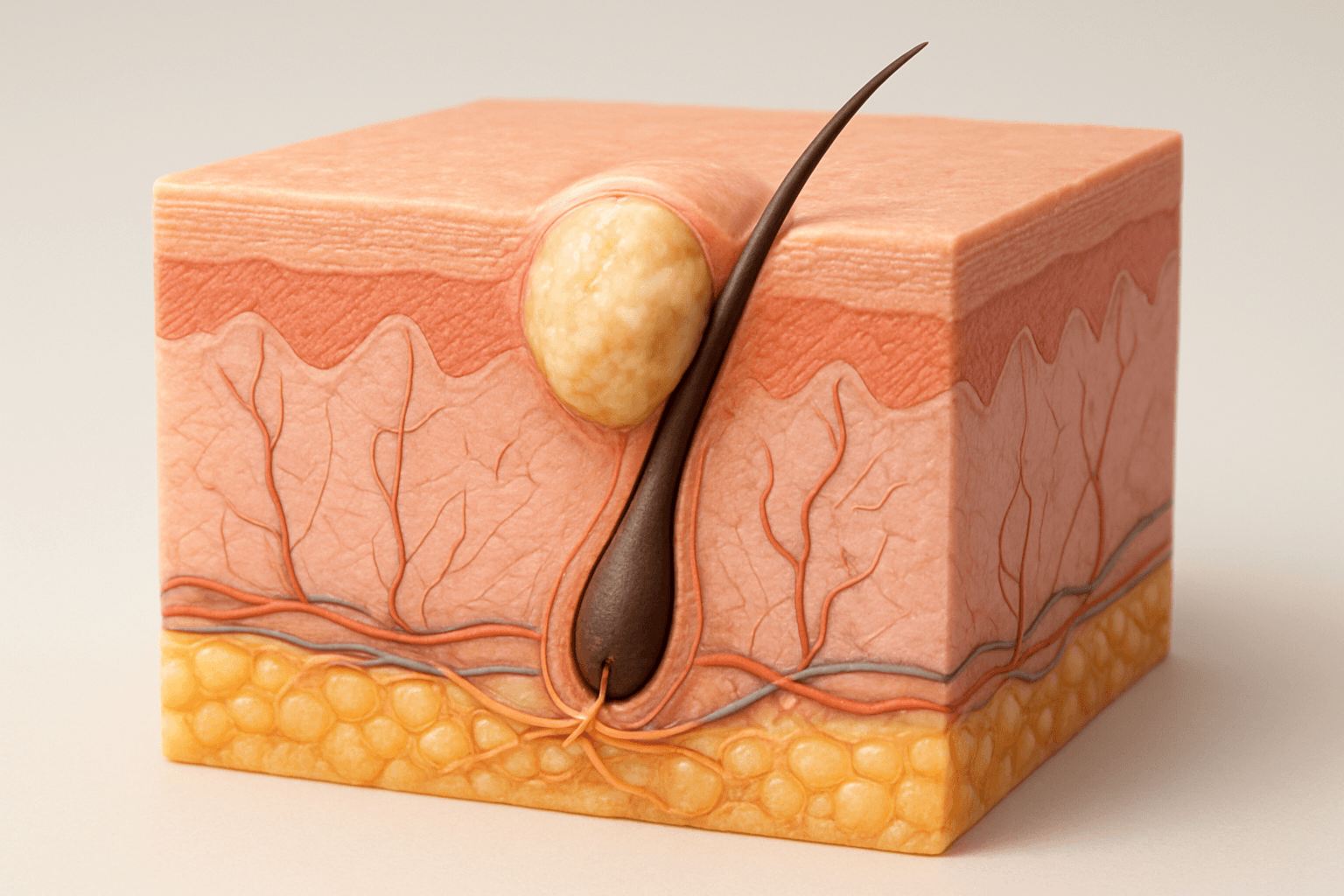
Whiteheads are one of the most common forms of acne you’ll encounter, appearing as small, white or flesh-colored bumps on your skin’s surface. Unlike their cousin, the blackhead, whiteheads remain closed under a thin layer of skin, which gives them their characteristic white or yellowish appearance. This closed nature is what sets them apart from other acne types.
When you’re dealing with whiteheads, you’re essentially looking at clogged pores that have been sealed over by dead skin cells. The mixture of oil, bacteria, and cellular debris gets trapped beneath this seal, creating that familiar raised bump. Blackheads, on the other hand, remain open to air, causing oxidation that turns the clog dark.
Whiteheads differ significantly from inflamed acne like papules and pustules. While whiteheads are generally non-inflammatory, papules appear as red, tender bumps without a visible head, and pustules contain pus and show more obvious inflammation. Cystic acne goes even deeper, forming painful, large bumps beneath your skin’s surface.
Your whiteheads typically measure 1-3mm in diameter and feel slightly raised when you run your finger over them. They’re most commonly found in your T-zone – forehead, nose, and chin – where oil production runs highest, though they can appear anywhere on your face, neck, chest, or back.
Common Triggers That Lead to Whitehead Formation
Your skincare routine for whiteheads becomes much more effective when you understand what’s causing them in the first place. Several factors work together to create the perfect storm for whitehead development.
Excess oil production tops the list of culprits. Your sebaceous glands naturally produce sebum to keep your skin moisturized, but hormonal changes, genetics, and certain products can kick this production into overdrive. When you have too much oil mixing with dead skin cells, your pores become prime real estate for clogs.
Your daily habits play a huge role too. Touching your face throughout the day transfers bacteria and oil from your hands to your skin. Your phone, pillowcases, and makeup brushes can harbor bacteria that contribute to breakouts if you’re not cleaning them regularly.
Product-related triggers often fly under the radar. Heavy moisturizers, thick foundations, or products with pore-clogging ingredients can create a barrier that traps oil and debris. Even over-washing or using harsh scrubs can backfire by stripping your skin’s natural barrier, causing it to produce more oil to compensate.
Environmental factors like humidity, pollution, and seasonal changes also influence your skin’s behavior. Hot, humid weather can increase oil production, while dry conditions might prompt you to use heavier products that could clog pores.
Why Home Treatment Can Be Effective for Mild Cases
You don’t always need professional intervention to tackle whiteheads effectively. Home treatment works particularly well for mild to moderate cases because whiteheads respond beautifully to consistent, gentle care and the right product combinations.
Your skin’s natural renewal process works in your favor here. With proper exfoliation and the right ingredients, you can help speed up cell turnover and prevent future clogs while addressing existing ones. Gentle chemical exfoliants like salicylic acid can penetrate your pores and dissolve the buildup that creates whiteheads.
The accessibility of effective over-the-counter ingredients makes home treatment both practical and affordable. Ingredients like benzoyl peroxide, retinoids, and niacinamide are readily available and have proven track records for treating whiteheads when used consistently.
Home treatment also allows you to develop a routine that fits your lifestyle and skin’s unique needs. You can adjust product timing, concentration, and frequency based on how your skin responds, something that’s harder to do with professional treatments that happen less frequently.
Your success with home treatment depends on patience and consistency rather than aggressive tactics. Most people see improvements within 4-6 weeks of starting a proper routine, with continued progress over several months. This gradual approach often leads to fewer side effects and more sustainable results than harsh, quick-fix treatments.
Essential Products for Your Whitehead-Fighting Arsenal
Gentle Cleansers That Won’t Over-Strip Your Skin
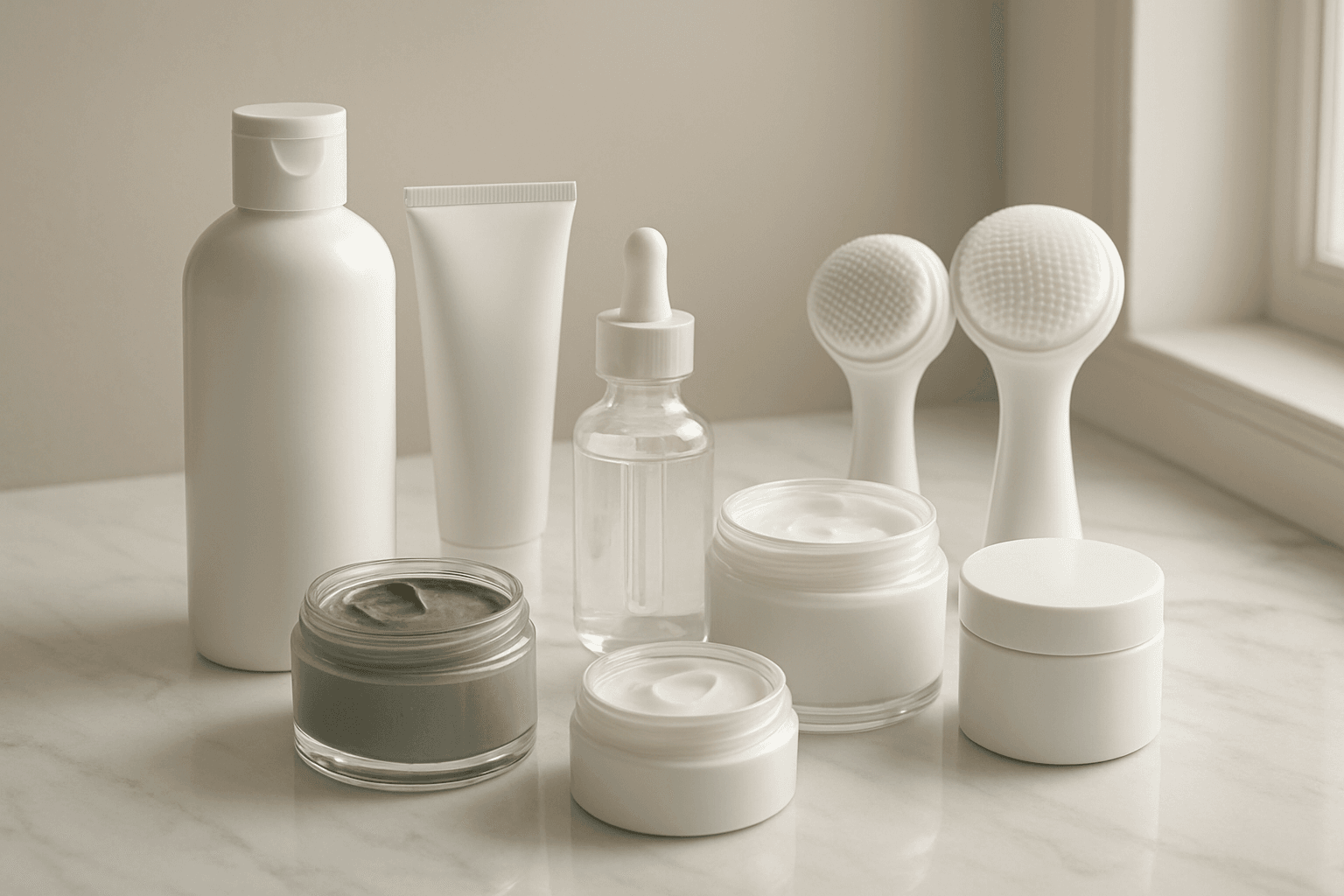
Your face wash sets the foundation for your entire skincare routine for whiteheads, so choosing the right cleanser is critical. You need something that removes excess oil, makeup, and daily grime without destroying your skin’s natural protective barrier. When you over-cleanse, your skin compensates by producing even more oil, which can actually make your whitehead problem worse.
Look for cream or gel cleansers with a pH between 5.5 and 6.5. These formulas work with your skin’s natural acidity rather than against it. Ingredients like ceramides, glycerin, and niacinamide help maintain moisture while still providing effective cleansing power. Avoid anything with sulfates, harsh scrubbing beads, or high concentrations of essential oils that can irritate your skin.
Some excellent options include cleansers containing gentle surfactants like coco-glucoside or sodium cocoyl glutamate. You should cleanse twice daily – once in the morning to remove overnight oil buildup and once at night to wash away the day’s accumulation of pollutants and makeup. Always use lukewarm water and pat your skin dry instead of rubbing it with your towel.
Salicylic Acid and BHA Products for Pore Clearing
Salicylic acid becomes your best friend when you’re dealing with whiteheads. This beta-hydroxy acid (BHA) is oil-soluble, which means it can penetrate deep into your pores to dissolve the plug of dead skin cells and sebum that creates whiteheads in the first place.
Start with a 0.5% to 2% salicylic acid product, depending on your skin’s sensitivity. You can find this ingredient in cleansers, toners, serums, and spot treatments. If you’re new to chemical exfoliation, begin with a leave-on toner or serum three times per week and gradually increase frequency as your skin builds tolerance.
Apply salicylic acid products to clean, dry skin and always follow with moisturizer. You’ll notice that your skin might feel slightly tighter or look a bit red initially – this is normal as your skin adjusts. However, if you experience persistent irritation, burning, or excessive dryness, reduce the frequency of use or switch to a lower concentration.
The magic happens when salicylic acid breaks down the bonds between dead skin cells, allowing them to shed more easily and preventing them from clogging your pores. This process takes time, so give it at least 6-8 weeks to see significant improvement in your whitehead situation.
Retinoids and Their Role in Cell Turnover
Retinoids are game-changers for anyone serious about clearing whiteheads. These vitamin A derivatives speed up your skin’s natural cell renewal process, which normally slows down as you age. When your skin cells turn over faster, dead skin doesn’t have as much time to accumulate in your pores and form whiteheads.
You have several retinoid options to choose from. Over-the-counter retinol products are gentler and perfect for beginners, while prescription tretinoin, adapalene, or tazarotene offer more potent results. Start with the lowest concentration available and use it just once or twice a week initially.
Apply retinoids only at night since they make your skin more photosensitive. Always use them on clean, completely dry skin, and wait at least 20 minutes after cleansing before application. Never mix retinoids with other active ingredients like vitamin C, AHAs, or BHAs on the same night – this can cause severe irritation.
Expect some initial purging when you start using retinoids. Your skin might break out more for the first 4-6 weeks as existing comedones come to the surface faster than usual. This is actually a good sign that the product is working, but stick with it through this adjustment period.
Non-Comedogenic Moisturizers to Maintain Skin Barrier
Many people with whitehead-prone skin make the mistake of skipping moisturizer, thinking it will make their skin more oily. This actually backfires because dehydrated skin produces more sebum to compensate, potentially worsening your whitehead problem. Your skincare routine for whiteheads must include proper hydration to maintain a healthy skin barrier.
Choose moisturizers labeled “non-comedogenic,” which means they’ve been formulated and tested to not clog pores. Look for lightweight, gel-based formulas if you have oily skin, or cream formulations if your skin tends to be dry or sensitive. Key ingredients to seek out include hyaluronic acid for hydration, niacinamide for oil control, and ceramides for barrier repair.
Apply moisturizer twice daily – once in the morning before sunscreen and once at night as your final step. If you’re using active ingredients like retinoids or salicylic acid, you might need a slightly richer moisturizer to counteract any dryness these products can cause.
Pay attention to how your skin responds to different formulations. Some people find that certain oils or butters trigger more whiteheads, while others can handle richer formulas without issues. Keep a simple skincare journal to track which products work best for your unique skin needs.
Step-by-Step Morning Skincare Routine
Proper Cleansing Technique to Remove Overnight Buildup
Your morning cleanse sets the foundation for your entire skincare routine for whiteheads. While you sleep, your skin naturally produces oil, and dead skin cells accumulate on the surface. This buildup can clog pores and worsen existing whiteheads if not properly removed.
Start with lukewarm water to wet your face. Water that’s too hot strips your skin’s natural moisture barrier, while cold water won’t effectively remove oil and debris. Take a gentle, non-comedogenic cleanser and work it into a light lather between your palms. Apply the cleanser to your face using circular motions, spending extra time on areas where you typically see whiteheads – usually the T-zone, chin, and nose.
Pay special attention to your cleansing technique. Use your fingertips, not your palms, and apply gentle pressure. Scrubbing too hard or using rough washcloths can irritate your skin and push bacteria deeper into pores. Spend at least 30-60 seconds massaging the cleanser into your skin to give it time to dissolve oil and impurities.
Rinse thoroughly with lukewarm water, making sure no cleanser residue remains around your hairline or jawline. Pat your face dry with a clean towel using gentle pressing motions rather than rubbing, which can cause irritation and spread bacteria across your skin.
Applying Treatment Products in the Right Order
The order in which you apply your skincare products determines how effectively they penetrate your skin and work together. For your morning routine targeting whiteheads, follow the general rule of applying products from thinnest to thickest consistency.
After cleansing, wait 2-3 minutes for your skin to completely dry before applying any active ingredients. Start with a salicylic acid toner or serum if you’re using one. Salicylic acid helps dissolve the oil and dead skin cells that create whiteheads. Apply it with clean hands or a cotton pad, avoiding the delicate eye area.
If you’re using additional serums like niacinamide (which helps control oil production) or hyaluronic acid (for hydration), apply them next. Wait about 5 minutes between each product layer to allow proper absorption. This patience prevents products from pilling or reducing each other’s effectiveness.
Apply your moisturizer while your skin is still slightly damp from previous products. This helps lock in hydration and creates a smooth base for sunscreen. Choose an oil-free, non-comedogenic moisturizer that won’t add to the congestion causing your whiteheads.
| Product Type | Application Order | Wait Time |
|---|---|---|
| Salicylic Acid Toner/Serum | 1st | 5 minutes |
| Additional Serums | 2nd | 3-5 minutes each |
| Moisturizer | 3rd | 2-3 minutes |
| Sunscreen | Final | Ready to go |
Sun Protection to Prevent Further Skin Damage
Sunscreen is non-negotiable in your morning routine, especially when treating whiteheads. Many acne treatments make your skin more photosensitive, meaning you’re at higher risk for sun damage, dark spots, and irritation without proper protection.
Choose a broad-spectrum SPF 30 or higher that protects against both UVA and UVB rays. Look for formulas labeled “non-comedogenic” and “oil-free” to avoid adding pore-clogging ingredients to your routine. Mineral sunscreens containing zinc oxide or titanium dioxide are often better tolerated by acne-prone skin than chemical sunscreens.
Apply sunscreen generously – most people use only about half the recommended amount. You need approximately 1/4 teaspoon for your face and neck. Don’t forget areas like your ears, hairline, and the back of your neck if they’re exposed.
Reapply every two hours if you’re spending time outdoors, or every few hours if you’re indoors near windows. Many people with whitehead-prone skin worry that reapplying sunscreen will make their skin oilier, but skipping reapplication leads to sun damage that can worsen acne scarring and hyperpigmentation.
Consider using a powder sunscreen or setting spray with SPF for easy touch-ups throughout the day without disrupting your makeup or feeling greasy.
Effective Evening Skincare Protocol
Double Cleansing Method for Thorough Makeup and Oil Removal
Your evening skincare routine for whiteheads starts with a thorough cleanse that removes every trace of makeup, sunscreen, and accumulated oils. Double cleansing involves using an oil-based cleanser first, followed by a water-based cleanser to create the perfect foundation for your treatment products.
Begin with an oil cleanser or cleansing balm, massaging it gently into dry skin for 30-60 seconds. This step dissolves stubborn makeup and sebum that can clog your pores and contribute to whitehead formation. Rinse with lukewarm water, then follow with your regular gentle cleanser to remove any remaining residue.
Pay special attention to areas where whiteheads commonly appear – your T-zone, chin, and around your nose. Use circular motions with clean fingertips, avoiding harsh scrubbing that could irritate your skin and worsen breakouts.
Weekly Exfoliation with Chemical or Physical Scrubs
Incorporating weekly exfoliation into your skincare routine for whiteheads helps remove dead skin cells that can trap oil and bacteria in your pores. You have two main options: chemical exfoliants and physical scrubs.
Chemical exfoliants containing salicylic acid (BHA) or glycolic acid (AHA) work particularly well for whitehead-prone skin. Salicylic acid penetrates into your pores to dissolve oil and debris, while glycolic acid removes surface dead skin cells. Start with once weekly application and gradually increase if your skin tolerates it well.
If you prefer physical exfoliation, choose a gentle scrub with fine, rounded particles. Avoid harsh scrubs with jagged edges like crushed walnut shells, as these can create micro-tears in your skin. Apply gentle pressure and focus on whitehead-prone areas without over-scrubbing.
| Exfoliation Type | Best For | Frequency | Key Benefits |
|---|---|---|---|
| Salicylic Acid (BHA) | Oily, whitehead-prone skin | 1-3x weekly | Penetrates pores, dissolves oil |
| Glycolic Acid (AHA) | All skin types | 1-2x weekly | Surface exfoliation, smooth texture |
| Gentle Physical Scrub | Normal to dry skin | 1x weekly | Immediate smoothing effect |
Treatment Application for Maximum Overnight Results
After cleansing and exfoliating (when scheduled), apply your targeted whitehead treatments while your skin is still slightly damp. This timing allows better absorption of active ingredients that work to unclog pores and prevent new whiteheads from forming.
Apply treatments containing benzoyl peroxide, retinoids, or niacinamide to clean skin. Start with pea-sized amounts and focus on areas where you typically develop whiteheads. If you’re using multiple treatments, apply them in order of thinnest to thickest consistency, allowing each product to absorb for 2-3 minutes before applying the next.
For stubborn whiteheads, consider using a spot treatment with higher concentrations of active ingredients. Dab these products directly onto individual whiteheads using a clean cotton swab or your fingertip.
Moisturizing to Support Skin Repair While You Sleep
Your final evening step involves applying a moisturizer that supports your skin’s natural repair process without clogging pores. Look for non-comedogenic formulas that contain ingredients like hyaluronic acid, ceramides, or niacinamide.
Even if you have oily skin, skipping moisturizer can actually worsen whiteheads by causing your skin to produce excess oil to compensate for dehydration. Choose a lightweight, gel-based moisturizer that absorbs quickly without leaving a greasy residue.
Apply your moisturizer using gentle upward strokes, covering your entire face and neck. Give special attention to areas that might feel tight or dry after using active ingredients, but avoid over-moisturizing areas where you’ve applied spot treatments.
Safe At-Home Extraction and Spot Treatments
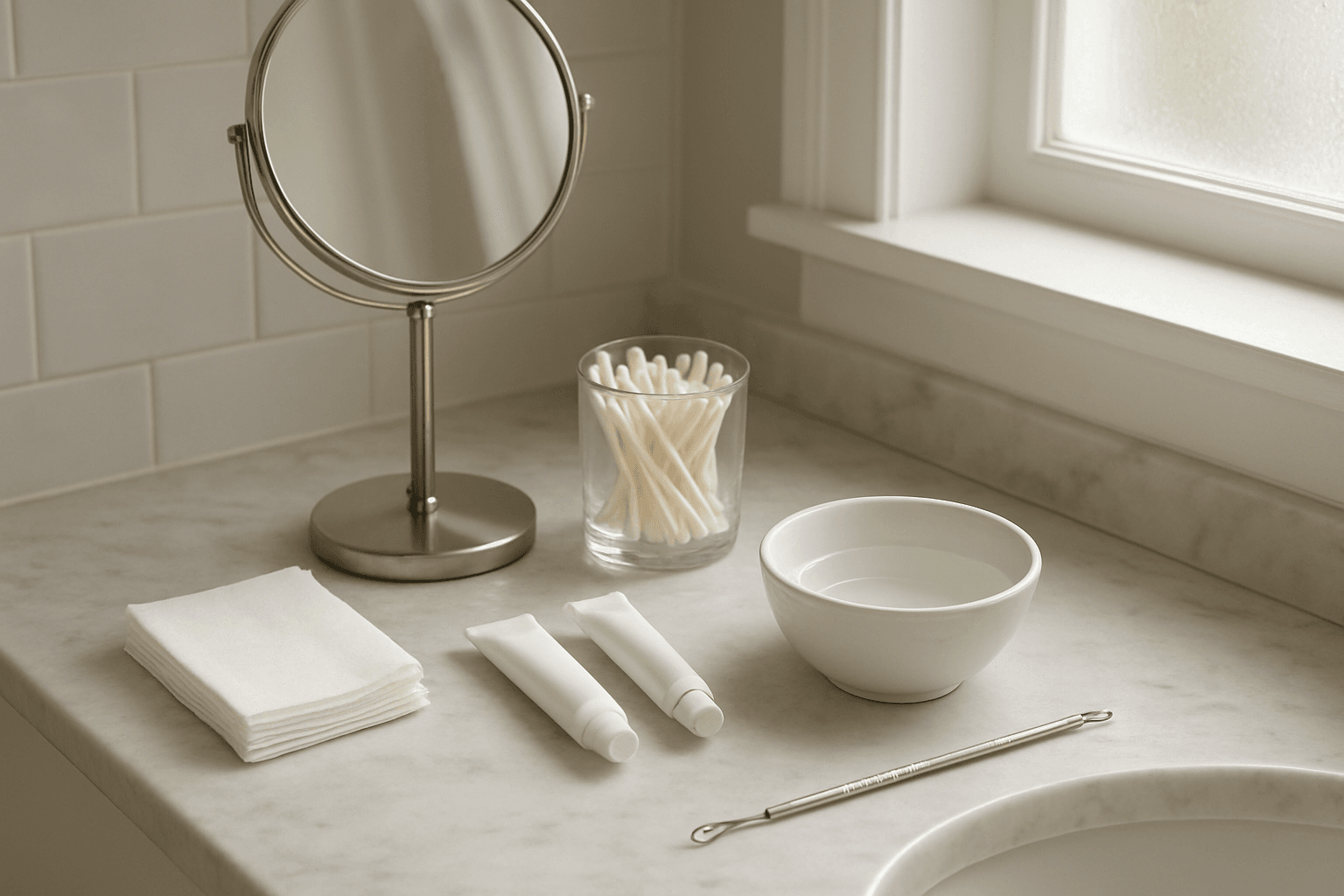
When and How to Safely Extract Whiteheads
Your fingers might be itching to squeeze that whitehead, but timing and technique make all the difference between success and disaster. Wait until the whitehead has a visible white center that’s close to the surface – forcing extraction on deep or barely visible bumps will only cause damage.
Start by thoroughly cleansing your hands and face, then apply a warm compress for 5-10 minutes to soften the skin. Wrap your fingertips in clean tissue or use two cotton swabs to gently apply pressure on either side of the whitehead, pressing down and slightly inward. If it doesn’t come out easily with minimal pressure, stop immediately – it’s not ready.
After successful extraction, apply a small amount of salicylic acid or tea tree oil to prevent bacterial infection. Never use your bare fingers or dirty tools, and always extract after cleansing, never on dirty skin. Your skincare routine for whiteheads should include extraction only when absolutely necessary, not as a daily habit.
DIY Clay Masks for Deep Pore Cleansing
Clay masks work like magnets for the oil and debris trapped in your pores. Bentonite clay stands out as the most effective option – mix two tablespoons with enough water to create a smooth paste. Apply an even layer to clean skin, avoiding the delicate eye area.
For enhanced results, add a teaspoon of apple cider vinegar to your bentonite clay mixture. The combination helps balance your skin’s pH while drawing out impurities. Leave the mask on for 10-15 minutes until it feels tight but before it’s completely dry and cracking.
Kaolin clay offers a gentler alternative if your skin tends toward sensitivity. Mix it with rose water or green tea instead of plain water for added anti-inflammatory benefits. Apply these masks 2-3 times per week maximum – overuse can strip your skin’s natural oils and trigger increased oil production.
Always remove clay masks with lukewarm water and a soft washcloth, then follow with a lightweight moisturizer to prevent dryness.
Natural Remedies That Actually Work
Honey serves as nature’s antibiotic and works exceptionally well as a spot treatment. Raw, unprocessed honey contains enzymes and antimicrobial properties that help reduce inflammation while gently dissolving the keratin plugs in whiteheads. Apply a small amount directly to affected areas and leave for 20 minutes before rinsing.
Green tea isn’t just for drinking – cooled green tea bags make excellent compresses for inflamed areas. The antioxidants and tannins help reduce swelling and kill bacteria. Press a cool, damp green tea bag against whiteheads for 10-15 minutes daily.
Oatmeal creates an effective exfoliating treatment when ground into a fine powder and mixed with water. The gentle abrasion helps remove dead skin cells while the anti-inflammatory compounds soothe irritation. Use this mixture as a gentle scrub twice weekly.
Tea tree oil requires dilution – mix one part tea tree oil with nine parts carrier oil like jojoba or sweet almond oil. This natural antiseptic targets bacteria without the harsh effects of synthetic ingredients.
What to Avoid to Prevent Scarring and Irritation
Your skin becomes vulnerable after extraction or aggressive treatments, so certain practices can cause lasting damage. Never pick at whiteheads with dirty hands or sharp objects like needles or tweezers – these tools can push bacteria deeper and create permanent scarring.
Avoid over-cleansing or using multiple active ingredients simultaneously. Combining salicylic acid with retinoids and benzoyl peroxide in the same routine often leads to severe irritation and compromised skin barrier function. Stick to one active ingredient at a time and introduce new products gradually.
Skip alcohol-based toners and harsh scrubs that create micro-tears in your skin. These products might feel like they’re “deep cleaning,” but they actually make your skin more susceptible to bacterial infection and slow the healing process.
Don’t ignore sun protection after treatments – extracted skin and areas treated with acids become more photosensitive. Always apply SPF 30 or higher during the day, especially after using any whitehead treatments. UV exposure on compromised skin can lead to dark spots and delayed healing that lasts for months.
Lifestyle Changes That Support Clear Skin

Dietary Adjustments That May Reduce Breakouts
Your plate plays a bigger role in your skincare routine for whiteheads than you might think. High-glycemic foods like white bread, sugary snacks, and processed cereals can spike your insulin levels, which may increase oil production and inflammation in your skin. Consider swapping these for whole grains, quinoa, and sweet potatoes instead.
Dairy products can be particularly troublesome for some people. The hormones naturally present in milk might mess with your own hormone levels, potentially leading to more breakouts. Try cutting back on milk, cheese, and yogurt for 4-6 weeks to see if your skin improves. Plant-based alternatives like almond or oat milk can easily fill the gap.
Loading up on antioxidant-rich foods helps fight inflammation from the inside out. Berries, leafy greens, and colorful vegetables provide your skin with the nutrients it needs to heal and stay healthy. Omega-3 fatty acids from fish, walnuts, and flaxseeds can also help reduce inflammation that contributes to whitehead formation.
Don’t forget about hydration – drinking plenty of water helps your body flush out toxins and keeps your skin properly moisturized. Green tea offers bonus anti-inflammatory benefits that can support your overall skin health.
Sleep and Stress Management for Hormonal Balance
Your sleep schedule directly impacts your skin’s ability to fight whiteheads. When you don’t get enough quality sleep, your body produces more cortisol, a stress hormone that can ramp up oil production and inflammation. Aim for 7-9 hours of sleep each night, and try to stick to a consistent bedtime routine.
Create a calming environment by keeping your bedroom cool, dark, and quiet. Put away your phone at least an hour before bed – the blue light can interfere with your natural sleep cycles, and scrolling through social media can keep your mind racing when it should be winding down.
Chronic stress wreaks havoc on your hormones, which can directly trigger more breakouts. When you’re stressed, your body produces androgens that stimulate oil glands, creating the perfect environment for whiteheads to form. Finding healthy ways to manage stress becomes part of your skincare routine.
Regular exercise helps regulate hormones and reduces stress, but make sure to shower and cleanse your face immediately afterward. Sweat mixed with bacteria can clog pores if left sitting on your skin.
Try incorporating stress-reduction techniques like deep breathing exercises, meditation, or yoga into your daily routine. Even just 10 minutes of mindfulness can help keep your stress hormones in check.
Proper Hygiene Habits for Your Pillowcases and Phone
Your pillowcase collects oil, dead skin cells, hair products, and bacteria every single night. If you’re not washing it regularly, you’re basically rolling your face in a petri dish for 7-8 hours. Change your pillowcase at least twice a week, or daily if you’re dealing with active breakouts.
Consider switching to silk or bamboo pillowcases, which are naturally antimicrobial and create less friction against your skin. Cotton pillowcases can be rough and may irritate already sensitive skin, plus they tend to absorb and hold onto more bacteria.
Your phone is probably dirtier than your toilet seat – seriously. Every time you press it against your cheek during a call, you’re transferring all that bacteria directly to your skin. Clean your phone screen daily with alcohol wipes, and try using speakerphone or headphones for longer conversations.
Hair products like oils, leave-in conditioners, and styling creams can transfer to your pillowcase and then to your face. If you use overnight hair treatments, consider wrapping your hair in a silk scarf or using a separate pillowcase that you change more frequently.
Your hands touch countless surfaces throughout the day, picking up bacteria and dirt. Touching your face transfers all of that directly to your pores. Break the habit by keeping your hands busy with a stress ball or fidget toy, and wash your hands frequently throughout the day.
Building a consistent skincare routine to tackle whiteheads doesn’t have to be complicated or expensive. You’ve learned about gentle cleansing, the right exfoliation techniques, and how targeted treatments can make a real difference. Remember that patience is your best friend here – your skin needs time to respond to new products and routines. Don’t rush into harsh treatments or over-extract, as this can actually make things worse.
The changes you make outside your bathroom matter just as much as what you do in front of the mirror. Getting enough sleep, staying hydrated, and watching what touches your face throughout the day all play a part in keeping those pesky whiteheads at bay. Start with the basics, stick to your routine for at least 6-8 weeks, and adjust as needed based on how your skin responds. Your future self will thank you for taking the time to care for your skin properly today.
How to Get Clear Pores from a Dermatologist! | Dr. Shereene Idriss
FAQ Questions and Answers
What is a good skincare routine for whiteheads?
A targeted skincare routine for whiteheads focuses on gentle exfoliation and maintaining a clear skin barrier. Start with a double cleanse to remove excess oil and debris, then incorporate a chemical exfoliant containing Salicylic Acid (BHA) 2–3 times a week to reach deep inside the pores. Finish with a non-comedogenic moisturizer and a lightweight SPF to keep the skin hydrated and protected without causing further congestion.
How to clear skin of whiteheads?
To effectively clear skin of whiteheads, you must address the root cause: trapped sebum and dead skin cells. Incorporating retinoids or benzoyl peroxide can help speed up cell turnover and kill acne-causing bacteria. For immediate relief, use pimple patches to draw out impurities overnight, and always avoid picking or squeezing, which can lead to scarring and further inflammation.