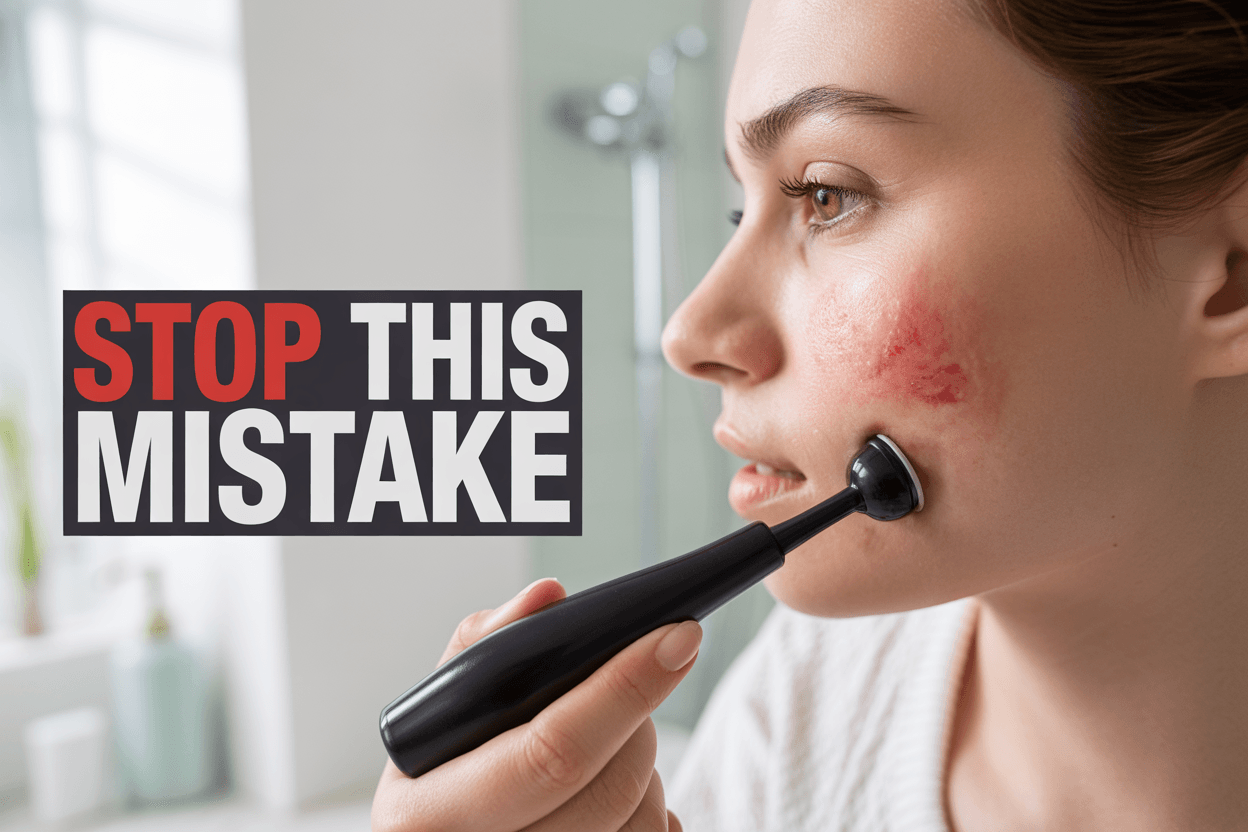
Face suction tools promise flawless skin, but one common mistake is sending people to dermatologists with damaged faces. These popular blackhead removers and pore vacuums seem harmless enough, yet face suction tool dangers are more serious than most users realize.
This guide is for anyone using or considering pore extractors, blackhead vacuum devices, or any facial suction tool at home. You’ll learn why improper pore suction causes lasting damage and discover the warning signs that your technique needs immediate fixing.
We’ll cover the biggest mistake that leads to pore extractor side effects like broken capillaries and scarring. You’ll also get proven safe face suction technique tips that protect your skin while still getting results. Finally, we’ll explore professional alternatives that might work better than DIY devices for your specific skin concerns.
Stop risking permanent damage from facial suction tool misuse. Your skin deserves better than guesswork.
Understanding Face Suction Tools and Their Purpose
What face suction tools are designed to do
Face suction tools, commonly known as pore vacuums or blackhead removers, work by creating negative pressure to extract debris from your pores. These handheld devices use gentle suction to pull out blackheads, whiteheads, excess oil, and dead skin cells that can clog your pores and create bumpy skin texture.
The basic principle mimics professional extraction techniques used by dermatologists and estheticians, but in a more accessible, at-home format. Most devices come with multiple suction levels and interchangeable heads designed for different areas of your face and varying skin sensitivities.
When used correctly, these tools can help remove stubborn blackheads that traditional cleansing methods struggle to address. They’re particularly effective on the T-zone area where oil production runs high and pores tend to become more congested.
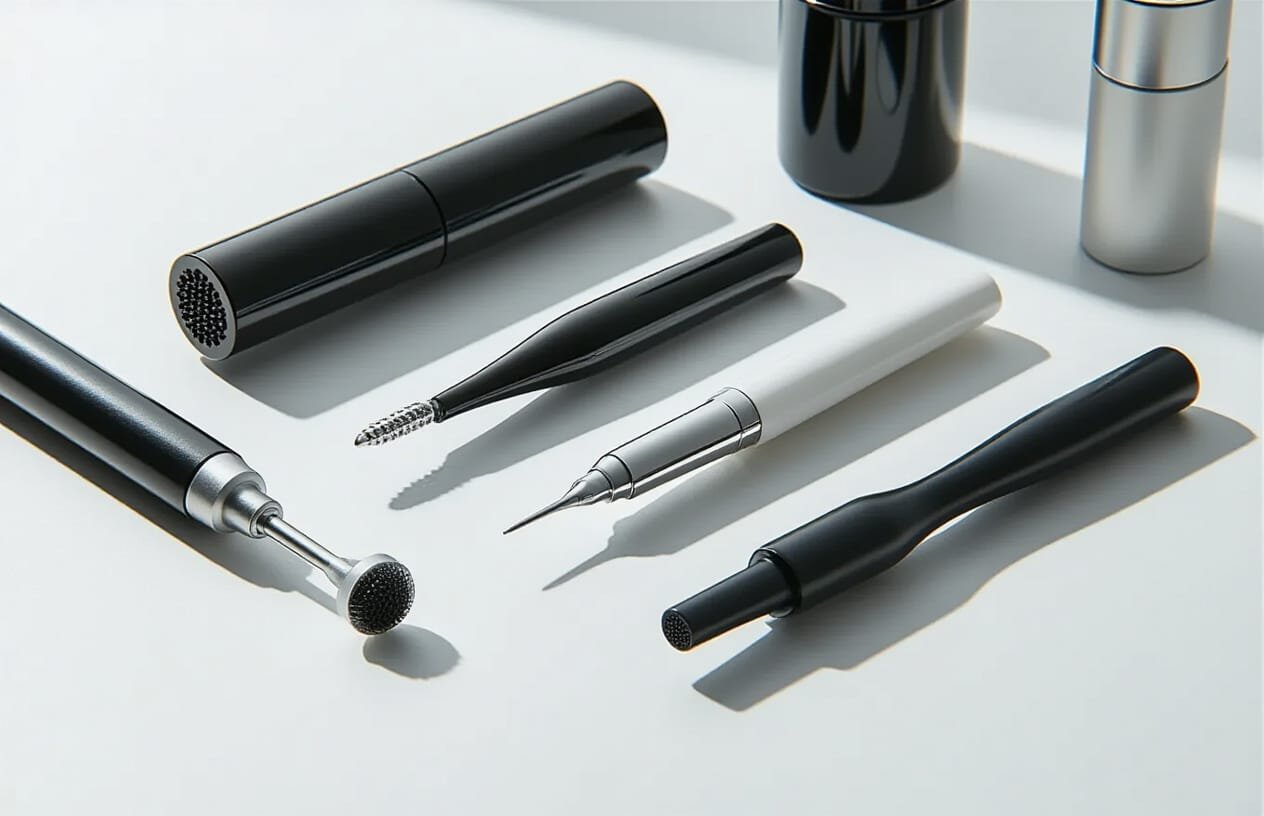
Popular types available in the market
The market offers several varieties of face suction devices, each with unique features and price points:
| Type | Features | Price Range |
|---|---|---|
| Basic Manual Extractors | Single suction level, minimal attachments | $15-$30 |
| Electronic Pore Vacuums | Multiple suction settings, LED displays | $25-$60 |
| Professional-Grade Devices | Advanced suction control, multiple heads | $80-$200 |
| Combination Tools | Includes other skincare functions like LED therapy | $50-$150 |
Manual extractors are the simplest option, featuring basic suction without electronic controls. Electronic pore vacuums offer adjustable suction levels and often include different sized extraction heads for various pore sizes and facial areas.

Professional-grade devices provide more precise suction control and often include specialized heads for sensitive areas around the eyes and nose. Some high-end models even feature heated extraction heads to help soften stubborn debris before removal.
Why people are drawn to at-home extraction devices
The appeal of face suction tools stems from several practical and psychological factors. Cost plays a major role – professional facials can run $100-$300 per session, while a quality pore vacuum costs less than a single professional treatment.
Convenience ranks as another top motivator. You can use these devices whenever you notice congested pores, without booking appointments or traveling to a spa. This immediate access appeals to people who want instant gratification when dealing with skin concerns.
Privacy also drives many purchases. Some people feel self-conscious about their skin imperfections and prefer addressing blackheads and whiteheads in the comfort of their own bathroom rather than having someone else examine their face up close.
The satisfying visual results create an almost addictive appeal. Seeing debris extracted from pores provides immediate visual confirmation that the device is working, which can be more gratifying than using traditional cleansers where results aren’t as immediately visible.
Many users also appreciate having control over the process. They can adjust pressure, focus on specific problem areas, and stop whenever they feel uncomfortable – something that’s harder to communicate during professional treatments.
The Critical Mistake Most Users Make

Using Excessive Suction Pressure Settings
Most people think stronger suction equals better results. This misconception leads to one of the most common face suction tool dangers that users encounter daily. The highest setting on your device doesn’t mean it’s the most effective – it’s actually the most destructive.
When you crank up the suction to maximum, you’re creating a vacuum that’s too powerful for delicate facial skin. Your skin wasn’t designed to handle industrial-strength pulling. The immediate result? Broken capillaries, bruising, and microscopic tears that can take weeks to heal. These blackhead remover risks become even more serious when you consider that damaged skin is more susceptible to infection and scarring.
Professional estheticians typically use suction levels between 20-40% of maximum capacity. Home users who jump straight to 80-100% suction are essentially performing aggressive extractions without proper training. The red marks, swelling, and spider veins that appear after aggressive suction aren’t signs of “deep cleaning” – they’re warning signals of skin trauma.
Your facial skin is only 1.5-4 millimeters thick in most areas. Compare that to the skin on your palms, which is about 15 times thicker. Using high suction pressure on your face is like using a sledgehammer when you need a feather touch. Start with the lowest setting and gradually increase only if needed, never exceeding 50% power for facial use.

Applying the Tool for Too Long in One Area
Parking your suction tool in one spot and hoping for magic results is a recipe for disaster. This improper pore suction technique causes more damage than any other mistake, yet it’s incredibly common among first-time users.
The recommended contact time for any single area is 3-5 seconds maximum. However, many users hold the device in place for 15-30 seconds, thinking they need to “really get in there” to see results. This extended contact creates a perfect storm of skin damage: burst capillaries, deep bruising, and permanent scarring.
Think about what happens when you hold a vacuum cleaner hose against delicate fabric – it creates holes and tears. Your skin reacts similarly to prolonged suction. The longer you hold the device in one spot, the more you’re pulling blood vessels toward the surface and stretching skin beyond its natural elasticity.
Professional safe face suction technique involves a gentle gliding motion across the skin, never lingering in any single location. The tool should move continuously, creating overlapping patterns rather than concentrated pressure points. If you’re not seeing immediate results, the solution isn’t more time – it’s better preparation and proper technique.
Skipping Proper Skin Preparation Steps
Jumping straight into suction without preparing your skin is like trying to remove a tight jar lid without loosening it first. This oversight contributes to most facial suction tool misuse incidents and significantly increases your risk of injury.
Proper preparation begins 10-15 minutes before using your suction device. Your pores need to be opened and softened, which requires heat and moisture. A warm shower, steam treatment, or hot towel application loosens the debris inside your pores and makes extraction safer and more effective.
Many users skip this step because they’re eager to see results or don’t understand its importance. When you use suction on unprepared skin, you’re forcing the tool to work harder to extract the same amount of debris. This means you’ll naturally increase pressure or dwell time, leading to those pore vacuum safety issues we want to avoid.
Cleansing before suction is equally critical. Oil, makeup, and daily grime create a barrier that prevents effective extraction while increasing the risk of pushing contaminants deeper into your pores. Use a gentle cleanser to remove surface impurities, then follow with your warming treatment.
The combination of inadequate preparation and aggressive technique creates a dangerous cycle where users keep increasing intensity to compensate for poor results, multiplying their risk of face suction mistakes and long-term skin damage.
Hidden Dangers of Improper Face Suction Tool Use

Permanent Capillary Damage and Broken Blood Vessels
The most serious face suction tool dangers involve permanent damage to the delicate blood vessels just beneath your skin’s surface. These tiny capillaries aren’t designed to withstand the intense negative pressure that many people apply when using pore vacuums incorrectly. When you crank up the suction to maximum settings or hold the device in one spot too long, you’re essentially causing these fragile vessels to rupture.
Once capillaries break, they don’t heal like other injuries. The red or purple spider-like marks you see after aggressive suction are actual broken blood vessels that may never fully disappear. Many users report permanent red spots on their nose, chin, and forehead areas where they concentrated their suction efforts. Professional dermatologists frequently see patients seeking expensive laser treatments to address these permanent marks caused by improper pore suction techniques.
The nose area is particularly vulnerable because the skin is thinner and blood vessels are closer to the surface. Even moderate suction levels can cause lasting damage if you’re not careful about movement and timing.
Severe Bruising That Can Last for Weeks
Beyond permanent vessel damage, facial suction tool misuse commonly results in extensive bruising that can persist for two to four weeks. Unlike typical bruises on your body that fade within days, facial bruising from pore extractors tends to be more stubborn and noticeable.
The bruising occurs when excessive suction causes blood to leak from damaged vessels into surrounding tissue. Your face lacks the thick muscle and fat layers that protect other body parts, making bruising more severe and longer-lasting. Many users discover these bruises worsen over the first 48 hours before beginning to fade.
Covering facial bruises with makeup becomes a daily struggle, and the discoloration often shifts through various shades of purple, green, and yellow during the healing process. Social situations become awkward when explaining why your face looks like you’ve been in a fight.
Increased Risk of Infection From Damaged Skin
Improper blackhead remover use creates microscopic tears and wounds that become perfect entry points for bacteria. The suction process damages your skin’s protective barrier, leaving you vulnerable to infections that wouldn’t normally occur. Dirty devices compound this problem by introducing additional bacteria directly into compromised skin.
Signs of infection include increased redness, warmth, pus formation, and spreading inflammation. Some users develop painful pustules and cysts in areas where they used excessive suction. These secondary infections often require antibiotic treatment and can leave permanent scarring.
The warm, moist environment created by damaged skin provides ideal conditions for bacterial growth. Without proper aftercare and sterile techniques, what started as a simple pore-cleaning session can escalate into a serious skin infection requiring medical intervention.
Worsening of Existing Acne and Blackheads
Paradoxically, aggressive pore vacuum safety violations often make the exact problems you’re trying to solve much worse. Excessive suction inflames existing acne lesions, causing them to spread and become more severe. The trauma from improper technique triggers your skin’s inflammatory response, leading to increased redness, swelling, and breakouts.
When you damage the skin around blackheads and pores, you’re actually making them more likely to become clogged again. The healing process produces excess oil and dead skin cells that quickly re-clog the very pores you just cleaned. Many users find themselves trapped in a cycle where they need to use the device more frequently, causing progressively more damage.
The mechanical trauma also pushes bacteria deeper into pores and surrounding tissue, converting simple blackheads into inflamed pustules and cysts. Professional estheticians often see clients whose DIY suction attempts have transformed minor skin issues into major acne flares requiring months of treatment to resolve.
Warning Signs Your Technique Is Wrong

Immediate redness that doesn’t fade quickly
When you’re using your face suction tool correctly, you might see some light pinkness that disappears within minutes. That’s normal and expected. But if you notice deep red marks that stick around for hours or even days, you’re dealing with face suction tool dangers that signal serious misuse.
The redness should fade within 5-10 minutes max. If you’re still sporting angry red patches after 30 minutes, you’ve applied too much pressure or held the device in one spot too long. This persistent redness happens because you’ve damaged the tiny blood vessels just beneath your skin’s surface.
Your skin is basically screaming “stop!” when this happens. The intense suction has caused trauma to the delicate capillaries, leading to inflammation that takes time to heal. Some people ignore this warning and keep using their pore vacuum safety protocols incorrectly, making the problem worse with each session.
Purple or dark marks appearing on skin
Dark purple or bruise-like marks are the most serious blackhead remover risks you can face. These aren’t just cosmetic issues – they’re actual bruises caused by broken blood vessels under your skin. When you see these marks, you’ve crossed the line from skincare into skin damage.
Purple spots typically show up when you’ve cranked the suction power too high or lingered in one area for too long. Your pore extractor side effects have moved beyond surface irritation into deeper tissue trauma. These marks can take weeks to fade completely, and in some cases, they might leave permanent discoloration.
The scary part? Some devices are powerful enough to cause these marks in seconds. If you’re seeing any darkness or bruising, stop immediately and don’t use the tool again until you’ve learned proper safe face suction technique.
Increased sensitivity and irritation
Your skin becoming hypersensitive after using a facial suction tool misuse is a red flag that shouldn’t be ignored. If touching your face feels uncomfortable, or if your regular skincare products suddenly sting or burn, you’ve overdone it with the suction.
This heightened sensitivity happens because improper pore suction strips away your skin’s protective barrier. Your face becomes reactive to everything – wind, temperature changes, even gentle cleansers that never bothered you before. You might notice burning sensations, unexpected breakouts, or patches of dry, flaky skin.
Pay attention to how your skin feels in the hours and days following treatment. Healthy suction should leave your skin feeling clean and smooth, not raw and reactive. If you’re experiencing ongoing irritation, your technique needs serious adjustment to avoid long-term blackhead vacuum dangers that could compromise your skin’s health permanently.
Safe Usage Guidelines That Actually Work
Choosing the right suction level for your skin type
Your skin type determines everything when it comes to safe face suction technique. Sensitive skin requires the lowest suction setting – think of it as barely touching the surface. If you have rosacea, broken capillaries, or react to most skincare products, stick to level 1 or 2 on your device.
Normal skin can handle moderate suction levels, typically ranging from 3-4 on most devices. Start low and work your way up gradually over several sessions. Oily, thick skin with stubborn blackheads can tolerate higher settings, but even then, never jump straight to maximum power.
Mature skin needs special attention due to reduced elasticity. The collagen breakdown makes your skin more prone to bruising and damage from excessive suction. Stick to gentle settings regardless of how tempting it might be to blast those stubborn pores.
Skin Type Suction Guidelines:
| Skin Type | Recommended Level | Max Duration |
|---|---|---|
| Sensitive/Thin | 1-2 | 30 seconds per area |
| Normal | 2-4 | 45 seconds per area |
| Oily/Thick | 3-5 | 1 minute per area |
| Mature | 1-3 | 30 seconds per area |
Proper timing and movement techniques
Movement patterns make the difference between effective pore cleaning and face suction tool dangers. Never hold the device in one spot – this creates the bruising and broken blood vessels you want to avoid. Keep the suction cup moving in gentle, gliding motions across your skin.
The golden rule: 2-3 seconds maximum contact time per spot. Move the device in upward strokes following your facial contours. Start from your chin and work toward your forehead, always moving against gravity.
Your session should never exceed 10-15 minutes total. Break this down into 2-3 minute intervals per facial area: chin and jaw, cheeks, nose, and forehead. Take 30-second breaks between areas to let your skin recover.
Timing your treatments is equally important. Use your device once or twice weekly maximum. Daily use leads to over-extraction, irritation, and the very pore vacuum safety issues you’re trying to avoid. Your skin needs time to heal and regenerate between sessions.
Essential pre and post-treatment skin care steps
Preparation prevents most face suction mistakes. Start with a thorough cleanse using a gentle, non-comedogenic cleanser. Follow with a warm compress or steam your face for 3-5 minutes. This opens your pores and softens debris, making extraction easier and safer.
Apply a thin layer of facial oil or serum before using the device. This creates slip and prevents the suction cup from grabbing your skin too aggressively. Jojoba oil works perfectly because it mimics your skin’s natural sebum.
Pre-treatment checklist:
- Double cleanse your face
- Steam or warm compress for 5 minutes
- Apply thin layer of facial oil
- Ensure device is clean and charged
- Start with lowest suction setting
Post-treatment care is where many people fail. Your pores are wide open and vulnerable after extraction. Skip harsh toners or acids for 24 hours. Instead, use a gentle, hydrating toner followed by a lightweight moisturizer.
Cold therapy helps close pores and reduce inflammation. Hold a cold, damp cloth against treated areas for 2-3 minutes. Follow with niacinamide serum to calm redness and regulate oil production.
When to avoid using the device completely
Certain skin conditions make pore extractor side effects more likely and potentially dangerous. Active acne breakouts are a complete no-go zone. The suction can spread bacteria, worsen inflammation, and create scarring that lasts months or years.
Skip your session if you have any open wounds, cuts, or active cold sores. The device can introduce bacteria into broken skin and delay healing. Sunburned skin is also off-limits – the compromised barrier can’t handle additional trauma.
Complete contraindications:
- Active acne or infected pores
- Sunburn or recent sun exposure
- Open wounds or cuts
- Active eczema or dermatitis
- Recent chemical peels or laser treatments
- Pregnancy (due to increased skin sensitivity)
Recent cosmetic treatments require a waiting period. Give your skin 2-4 weeks after chemical peels, microdermabrasion, or laser treatments before using any suction device. Your aesthetician or dermatologist can provide specific timing based on your treatment.
Medications like retinoids, antibiotics, and blood thinners can affect your skin’s response to suction. These make your skin more fragile and prone to bruising. If you’re using prescription skincare or taking medications that affect skin healing, check with your doctor before starting any extraction routine.
Listen to your skin’s signals. Persistent redness, pain, or new breakouts after sessions mean you should stop immediately and reassess your technique or consider professional alternatives.
Professional Alternatives Worth Considering
Dermatologist-performed extractions
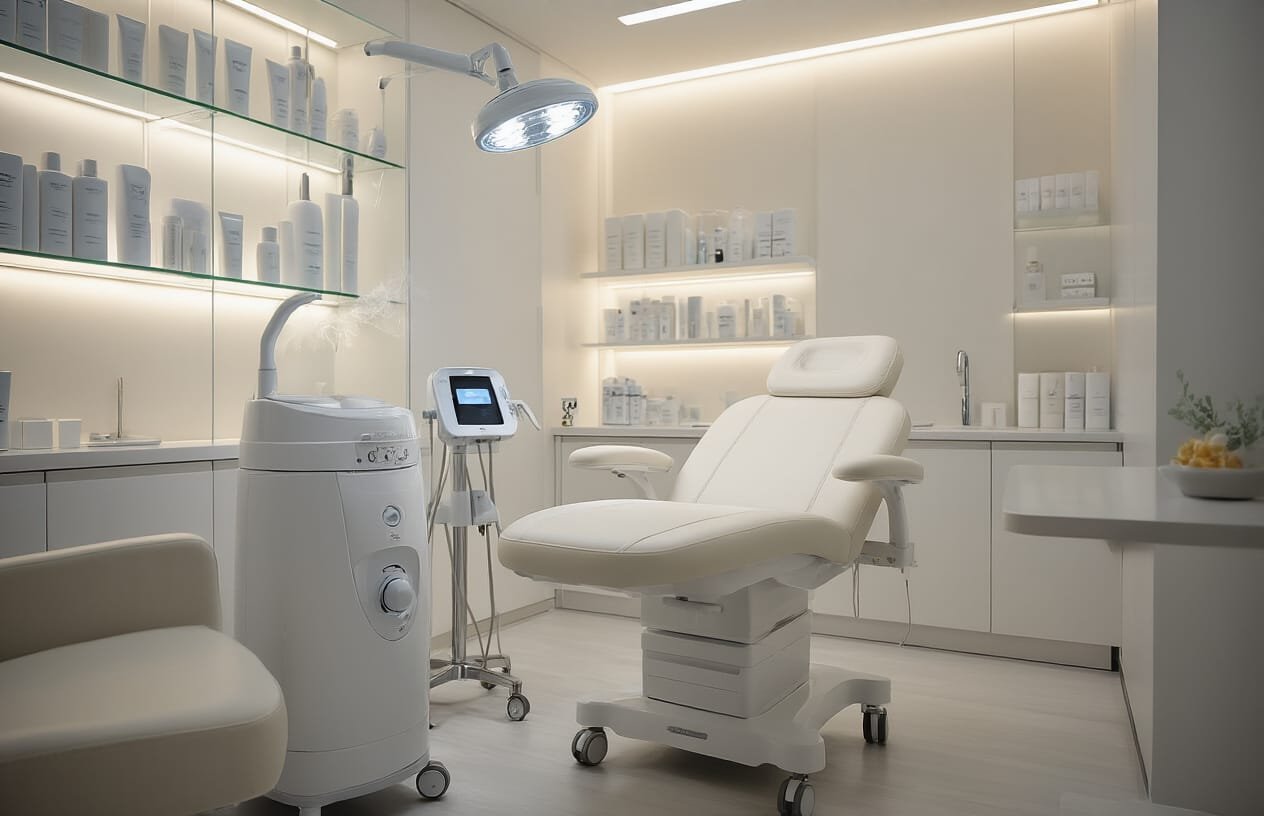
Professional extractions by a licensed dermatologist remain the gold standard for safe blackhead and comedone removal. During these procedures, trained professionals use sterile instruments and proper techniques to minimize tissue damage and infection risk. The dermatologist applies controlled pressure at precise angles, ensuring complete removal without causing the micro-tears and bruising that often result from improper face suction technique.
These professionals also assess your skin type and condition before proceeding, identifying areas that may be too sensitive for extraction or require special handling. They can distinguish between different types of blemishes, treating each appropriately rather than applying the same suction pressure everywhere like most at-home devices do.
The sterile environment and professional-grade aftercare significantly reduce the risk of bacterial infections and scarring that commonly occur with DIY suction tools. Most dermatology offices also provide proper wound care instructions and follow-up treatments to ensure optimal healing.
Professional-grade devices with safety features
Medical-grade suction devices used in professional settings incorporate multiple safety mechanisms that consumer versions lack. These devices feature adjustable pressure settings with precise calibration, automatic shut-off functions, and ergonomic designs that prevent excessive pressure application.
Professional tools often include multiple tip sizes and shapes designed for different facial areas and skin conditions. The suction strength is carefully regulated and monitored throughout the procedure, preventing the intense vacuum pressure that causes many face suction tool dangers seen with home devices.
Many professional-grade units also feature built-in temperature controls and antiseptic systems that maintain sterile conditions during use. Some advanced models include real-time pressure monitoring and visual feedback systems that help practitioners maintain safe operating parameters.
Alternative blackhead removal methods that work
Several effective alternatives exist that avoid the pore vacuum safety concerns associated with suction devices. Chemical exfoliants containing salicylic acid or glycolic acid dissolve the keratin plugs that form blackheads, providing gentler and more thorough removal than mechanical suction.
Clay masks with bentonite or kaolin draw out impurities from pores without creating the trauma associated with improper pore suction. These masks work gradually over 10-15 minutes, allowing natural pore dilation rather than forcing extraction.
Oil cleansing methods using jojoba or mineral oil can dissolve sebaceous plugs effectively. The oil massage loosens blackheads naturally, making them easier to remove during regular cleansing without risking the blackhead remover risks that come with aggressive suction.
Retinoid treatments prescribed by dermatologists increase cell turnover and prevent new blackhead formation while gradually clearing existing ones. This approach addresses the root cause rather than just treating symptoms, reducing the need for repeated extractions that can lead to facial suction tool misuse over time.

The biggest problem with face suction tools isn’t the device itself – it’s how people use them. Most users make the same critical error: applying too much suction pressure and holding the tool in one spot for too long. This simple mistake can lead to broken capillaries, bruising, and even permanent skin damage that takes months to heal. When you notice persistent redness, tiny purple spots, or pain during use, your skin is telling you to stop immediately.
Getting clear, healthy skin doesn’t have to come with risks. Follow the safe usage guidelines we’ve covered – start with the lowest setting, keep the tool moving, and limit sessions to just a few minutes. If you’re dealing with stubborn blackheads or want more dramatic results, consider booking a professional facial instead. Your skin will thank you for choosing patience and proper technique over aggressive quick fixes that can backfire.
We Try Dermasuction For Our Acne
FAQ Questions and Responses
What are the risks of using a face vacuum?
The primary face suction tool dangers stem from improper pore suction and excessive pressure. Key risks include permanent broken capillaries, severe and persistent bruising, increased risk of infection from damaged skin barrier, and a worsening of existing acne and blackheads. To avoid these blackhead remover risks, users must prioritize the lowest suction setting and continuous, gentle movement.
Are pore suction tools good or bad?
Pore suction tools are neither inherently “good” nor “bad”; their outcome is entirely dependent on user technique. When used with the correct safe face suction technique—low pressure, short contact time, and proper skin preparation—they can help extract debris. However, due to the high risk of facial suction tool misuse leading to long-term issues like scarring and pore extractor side effects, dermatologists often recommend professional alternatives like chemical exfoliants or in-office extractions.
Do dermatologists recommend blackhead vacuums?
While some dermatologists acknowledge the potential of blackhead vacuums for very gentle, occasional use, most are cautious and generally do not recommend them for daily or aggressive at-home routines. This is primarily due to the high incidence of permanent damage, such as broken blood vessels, caused by face suction mistakes. They typically prefer proven, non-mechanical methods like retinoids or in-office dermatologist-performed extractions to safely address stubborn blackheads.