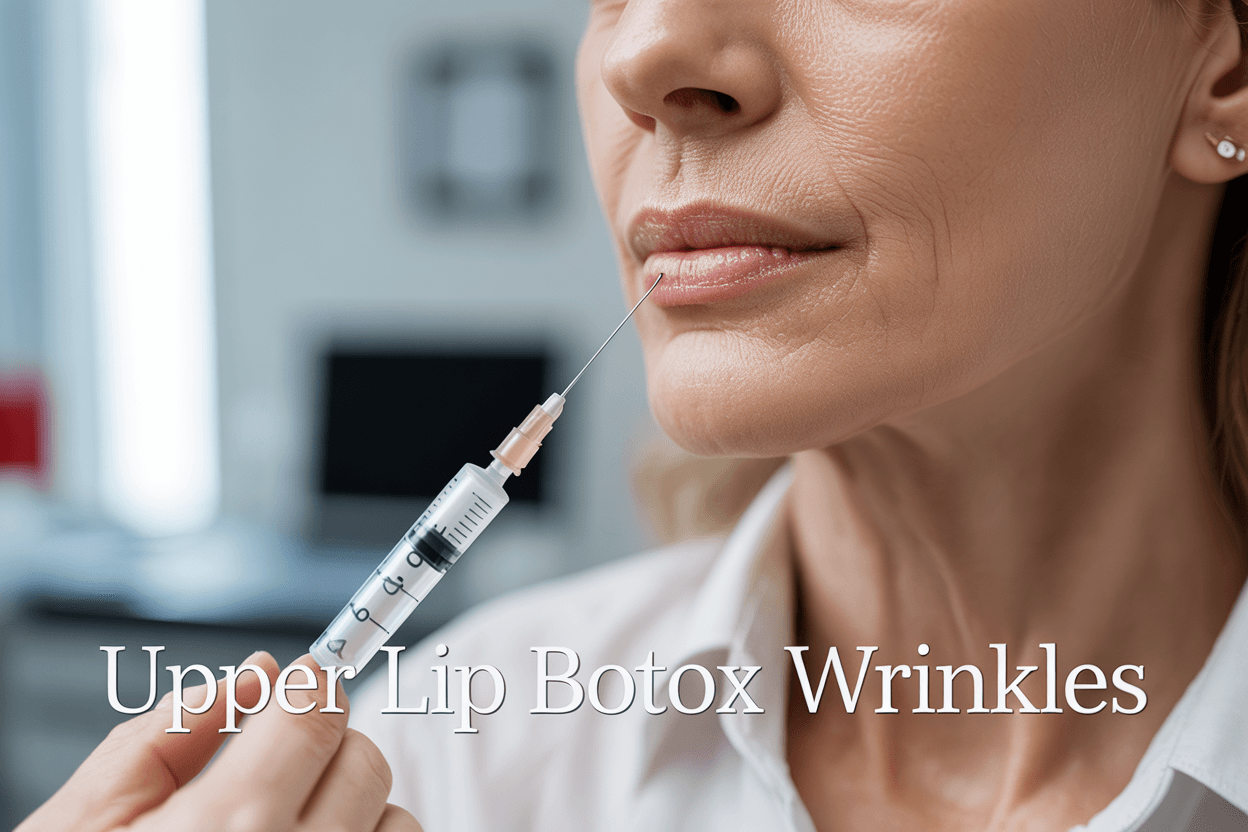
Those vertical lines above your upper lip – also called smoker’s lines or perioral wrinkles – can make you look older than you feel. If you’ve been wondering whether Botox for upper lip wrinkles could be your solution, you’re not alone. Many people dealing with these stubborn lip lines are exploring this popular treatment option.
This guide is for anyone considering Botox around the mouth area to smooth upper lip wrinkles and restore a more youthful appearance. We’ll walk you through how Botox works specifically for lip line treatment and help you understand what makes someone an ideal candidate for this procedure. You’ll also get the real scoop on upper lip Botox cost and what to expect during the treatment process, so you can make an informed decision about whether vertical lip lines Botox is right for you.
Understanding Upper Lip Wrinkles and Their Causes
Common Types of Upper Lip Lines and Their Characteristics
Vertical Lip Lines (Smoker’s Lines)
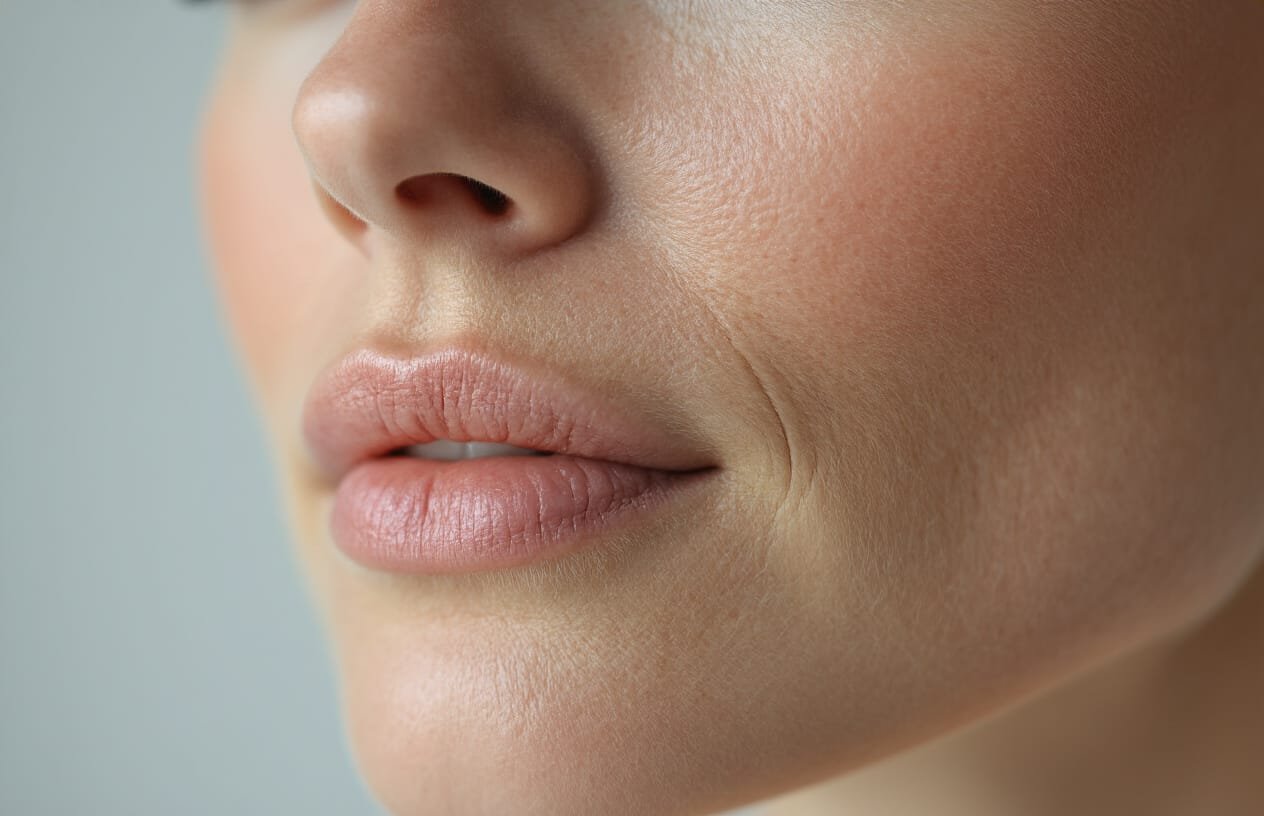
These fine vertical lines run perpendicular to the lip border and are the most common concern for Botox upper lip wrinkles treatment. They appear as tiny creases that extend from the lip edge upward into the surrounding skin. While often called “smoker’s lines,” they affect non-smokers too, developing from repetitive lip movements like pursing, kissing, and drinking through straws.
Perioral Wrinkles
Perioral wrinkles treatment addresses the broader network of lines surrounding the entire mouth area. These include both the vertical lines mentioned above and horizontal creases that form at the corners of the mouth. They create a web-like pattern around the lips that can make lipstick bleed and affect facial expressions.
Lip Border Definition Loss
The vermillion border—the sharp line between your lip and skin—becomes less defined with age. This creates a blurred appearance where lipstick tends to feather, requiring lip line treatment to restore crisp definition.
How Aging Affects Lip Area Skin Structure
The skin around your mouth is incredibly thin, making it particularly vulnerable to aging changes. Collagen production naturally decreases by about 1% per year after age 25, causing the skin to lose its plump, smooth texture. Elastin fibers that provide skin elasticity also break down, leaving the delicate lip area unable to bounce back from repetitive movements.
The orbicularis oris muscle, which controls lip movement, becomes more active with age as we compensate for volume loss by pursing our lips more frequently. This increased muscle activity deepens existing lines and creates new ones—exactly what vertical lip lines Botox treatments target by relaxing these overactive muscles.
Lifestyle Factors That Accelerate Wrinkle Formation
Sun Exposure
UV radiation breaks down collagen and elastin at an accelerated rate. The lip area often gets forgotten during sunscreen application, making it especially vulnerable to photoaging. Daily sun protection is crucial for preventing premature upper lip wrinkle development.
Smoking and Vaping
The repetitive pursing motion required for smoking creates deep vertical lines over time. Nicotine also restricts blood flow to the skin, reducing oxygen and nutrient delivery that’s essential for healthy collagen production.
Hydration Habits
Drinking through straws, sipping hot beverages, and whistling all involve repetitive lip movements that etch lines into the skin over time. Even habits like licking your lips can contribute to irritation and premature aging.
Genetic Predisposition to Premature Lip Aging
Your genetics play a significant role in when and how severely upper lip Botox concerns develop. Some people inherit thinner skin around the mouth area, making lines appear earlier and more prominently. Others have naturally more active facial muscles, leading to deeper expression lines.
Family history of early aging, particularly around the mouth area, often predicts your own timeline for developing these concerns. However, genetic predisposition doesn’t guarantee early aging—proper skincare and preventive treatments can significantly delay and minimize these hereditary factors.
Skin type also influences aging patterns. Those with fair skin typically show signs of aging earlier than individuals with darker complexions due to lower natural melanin protection against UV damage.
How Botox Works for Upper Lip Line Treatment
Mechanism of botulinum toxin in muscle relaxation
Botox works by temporarily blocking nerve signals that tell muscles to contract. When injected into the upper lip area, the botulinum toxin attaches to nerve endings and prevents the release of acetylcholine, a neurotransmitter responsible for muscle movement. This creates a controlled, temporary paralysis of the targeted muscles.
The process begins at the molecular level. Once injected, Botox cleaves specific proteins within the nerve terminal, disrupting the normal communication pathway between nerves and muscles. Without these chemical messengers, the muscles can’t receive the signal to contract, leading to a relaxed state that smooths out dynamic wrinkles.
This muscle-relaxing effect is precisely why Botox upper lip wrinkles treatment has become so popular. The constant muscle contractions from talking, drinking, smoking, or pursing lips create those pesky vertical lip lines over time. By temporarily stopping these repetitive movements, Botox allows the skin to recover and appear smoother.
The beauty of this mechanism lies in its precision. Unlike surgical procedures that permanently alter tissue, Botox offers a reversible solution. The effects gradually wear off as the body naturally metabolizes the toxin and nerve endings regenerate, typically over three to six months.
Specific muscles targeted around the upper lip
Understanding which muscles receive Botox injections for lip line treatment helps explain why the procedure requires such expertise. The primary target is the orbicularis oris muscle, which encircles the mouth like a drawstring. This muscle controls lip movement and is responsible for those vertical lines that appear above the upper lip, often called smoker’s lines or perioral wrinkles.
The orbicularis oris has different segments, and skilled injectors focus on specific areas:
- Upper portion: Directly above the lip line where vertical wrinkles are most prominent
- Lateral corners: Where the muscle connects to other facial muscles
- Medial section: The central area that affects lip shape and movement
Additional muscles may receive treatment depending on individual anatomy:
| Muscle | Location | Function | Treatment Goal |
|---|---|---|---|
| Depressor anguli oris | Corner of mouth | Pulls mouth downward | Reduce downturned appearance |
| Levator labii superioris | Upper lip area | Lifts upper lip | Smooth vertical lines |
| Mentalis | Chin area | Creates chin dimpling | Reduce pebbled texture |
The injection pattern typically involves multiple small doses placed strategically around the upper lip. Most practitioners use between 2-6 units total, distributed across 3-5 injection points. This precise targeting ensures natural-looking results while preserving essential lip function for speaking, eating, and facial expression.
Expected timeline for visible results
Botox around mouth area doesn’t produce instant results like dermal fillers. The timeline follows a predictable pattern that patients should understand before treatment.
Days 1-3: No visible changes occur immediately after injection. Some patients notice slight swelling or tiny bumps at injection sites, which typically resolve within hours.
Days 3-5: Early effects begin as the botulinum toxin starts interrupting nerve signals. Muscle activity gradually decreases, though changes remain subtle.
Days 7-10: Noticeable smoothing of upper lip wrinkle lines becomes apparent. This is when most patients first see the treatment working.
Days 10-14: Peak results emerge. Vertical lip lines appear significantly reduced, and the skin looks smoother during facial expressions.
Weeks 2-12: Full effect maintenance period. Results remain stable with minimal muscle movement in treated areas.
Months 3-4: Gradual return of muscle function begins as the body metabolizes the toxin.
Months 4-6: Complete reversal of effects as nerve endings regenerate and normal muscle activity resumes.
Individual factors affect this timeline:
- Metabolism rate: Faster metabolisms may see quicker onset but shorter duration
- Muscle strength: Stronger muscles may require longer to show full results
- Previous treatments: Repeat patients often see faster onset times
- Injection technique: Proper placement and dosage optimize timing
Most patients schedule follow-up appointments every 3-4 months to maintain their lip wrinkle injections results, though some extend this to 6 months depending on their response to treatment.
Ideal Candidates for Upper Lip Botox Treatment
Age Considerations and Skin Condition Requirements
Botox upper lip wrinkles treatment works best for people between 30 and 65 years old who have developed moderate vertical lip lines. Your skin needs enough elasticity to respond well to the muscle relaxation that Botox provides. Those with very thin, sun-damaged skin might not see the dramatic results they’re hoping for since the underlying skin structure plays a big role in treatment success.
Dynamic wrinkles – the ones that appear when you purse your lips or make expressions – respond much better than static wrinkles that stay visible even when your face is relaxed. If you can smooth out your perioral wrinkles by gently stretching the skin, you’re likely a good candidate for treatment.
Skin thickness around the mouth area also matters. People with naturally thicker skin typically see longer-lasting results from lip line treatment compared to those with delicate, paper-thin skin that shows every line and fold.
Medical Conditions That May Disqualify Candidates
Several health conditions can make upper lip Botox unsafe or ineffective. Neuromuscular disorders like myasthenia gravis, Lambert-Eaton syndrome, or ALS create serious risks when combined with Botox injections. The toxin can worsen muscle weakness and potentially cause life-threatening complications.
Pregnancy and breastfeeding automatically disqualify you from treatment. While no studies prove Botox harms developing babies, medical professionals won’t take that risk with expectant or nursing mothers.
Active skin infections, cold sores, or any open wounds around the mouth area require waiting until complete healing occurs. Botox injections through infected tissue can spread bacteria and create serious complications.
Blood clotting disorders or current use of blood-thinning medications increase bruising and bleeding risks. While not absolute contraindications, these situations need careful evaluation and potentially stopping certain medications before treatment.
Allergies to botulinum toxin or any ingredients in Botox formulations make treatment impossible. Previous adverse reactions to similar treatments also raise red flags for practitioners.
Realistic Expectation Setting for Treatment Outcomes
Smoker’s lines Botox treatment reduces muscle movement rather than erasing wrinkles completely. Most patients see 50-70% improvement in line appearance, with the best results visible 10-14 days after injection. Deep, etched lines won’t disappear entirely – they’ll soften and become less noticeable.
Treatment effects last 3-4 months on average, though some people need touch-ups sooner around the delicate lip area. Your metabolism, muscle strength, and lifestyle factors all influence how long results persist.
The lip wrinkle injections might create slight changes in how you speak or smile initially. This typically resolves within a few days as muscles adapt to their new movement patterns. Some people experience temporary difficulty drinking through straws or whistling.
Botox lip lines before after photos from your practitioner’s portfolio provide realistic expectations, but remember that everyone’s anatomy and response differs. Your results might be more or less dramatic than what you see in promotional materials.
Multiple treatment sessions often achieve better results than single appointments. Building up the effects gradually allows for fine-tuning and helps avoid overcorrection that creates an unnatural appearance.
Alternative Treatments for Unsuitable Candidates
Vertical lip lines Botox isn’t the only option for addressing upper lip wrinkles. Dermal fillers like hyaluronic acid can plump the skin and smooth out static lines that don’t respond well to muscle relaxation. This approach works especially well for people with very thin skin or deep, permanent creases.
Laser resurfacing treatments target the skin’s surface layers to stimulate collagen production and improve texture. Fractional CO2 lasers or erbium lasers can significantly reduce upper lip wrinkle appearance, though they require longer recovery periods than injectable treatments.
Chemical peels offer another non-injectable approach to upper lip wrinkle removal. Medium-depth peels can improve skin texture and reduce fine lines, while deeper peels address more severe sun damage and deeper wrinkles.
Microneedling with radiofrequency combines collagen stimulation with skin tightening effects. This treatment works well for people who want gradual improvement without the risks associated with injectable treatments.
Topical retinoids and prescription vitamin A creams provide long-term improvement in skin texture and can prevent new wrinkle formation. While results develop slowly over months, they offer a non-invasive option for people who can’t undergo injection treatments.
For those seeking immediate but temporary improvement, high-quality lip primers and specialized makeup techniques can minimize the appearance of lines until other treatment options become available.
The Treatment Process and What to Expect
Pre-treatment consultation and assessment steps
Your journey with Botox upper lip wrinkles treatment begins with a comprehensive consultation where your provider evaluates your specific concerns. During this initial meeting, the practitioner examines your facial anatomy, skin thickness, and the depth of your vertical lip lines Botox concerns. They’ll assess your muscle movement patterns by asking you to make various facial expressions, particularly pursing your lips and smiling.
The consultation includes a detailed medical history review, covering any previous cosmetic treatments, medications, and allergies. Your provider will photograph your perioral wrinkles treatment area from multiple angles to document the baseline condition and help track progress. They’ll also discuss your aesthetic goals and set realistic expectations about what lip line treatment can achieve.
A crucial part of this assessment involves determining if you’re an appropriate candidate for Botox around mouth area injections. The provider checks for contraindications such as pregnancy, neuromuscular disorders, or active infections near the treatment site.
Injection technique and session duration
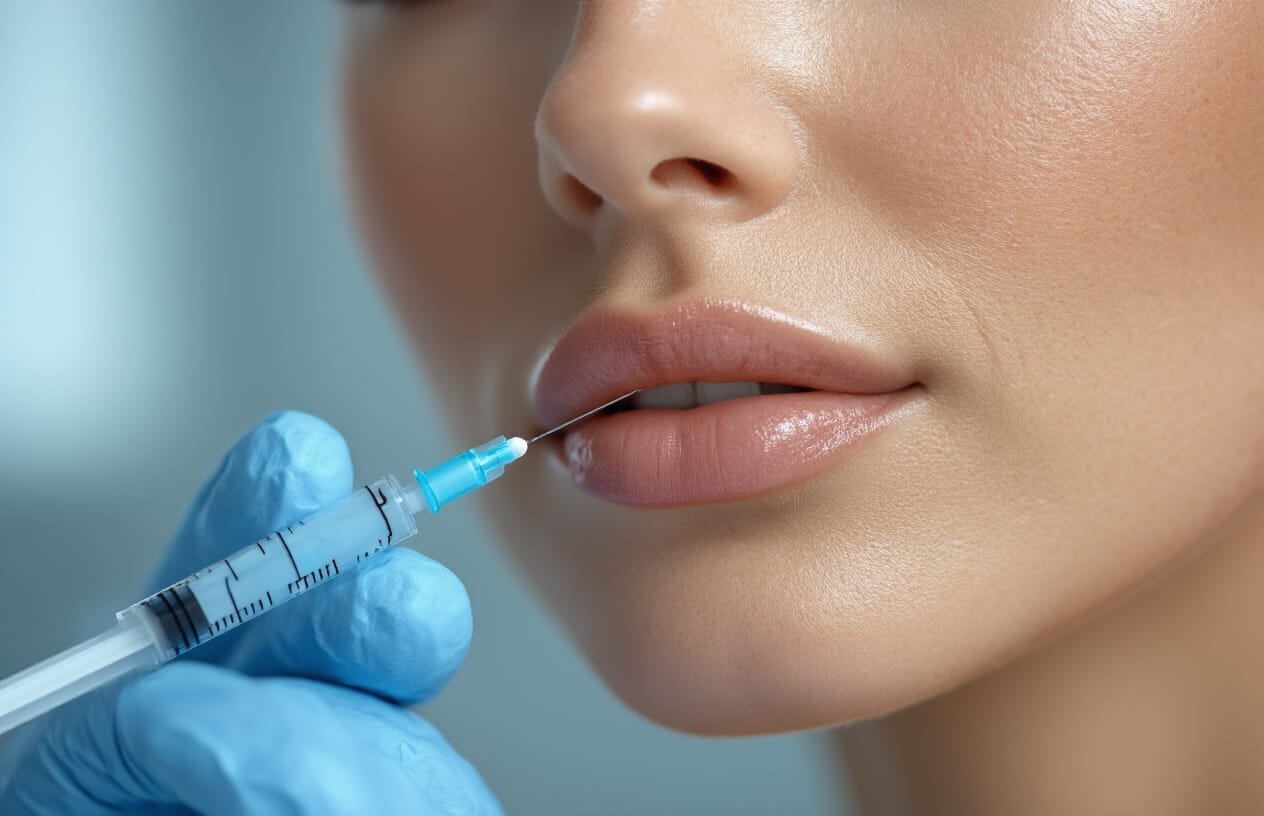
The actual lip wrinkle injections procedure typically takes 10-15 minutes once you’re settled in the treatment chair. Your provider uses an ultra-fine needle to inject small amounts of Botox into specific points around the upper lip area. The technique requires precision since the muscles around the mouth are smaller and more delicate than other facial areas.
For smoker’s lines Botox treatment, practitioners typically use 2-4 units of Botox per injection site, with 4-8 total injection points around the upper lip. The injector places these strategically in the orbicularis oris muscle, which surrounds the mouth and creates those vertical lines when contracted.
The injection pattern follows the natural anatomy of your lip lines, targeting the areas where wrinkles are most prominent. Your provider may ask you to purse your lips during the assessment to better visualize the muscle contractions and ensure optimal placement.
Pain management and comfort measures
Most people find upper lip wrinkle removal injections quite tolerable, describing the sensation as small pinpricks. The needles used are extremely fine, similar to those used for insulin injections. Many providers apply a topical numbing cream 15-20 minutes before treatment to minimize any discomfort.
Ice packs are commonly used both before and after injections to numb the area and reduce potential swelling. Some practitioners offer dental blocks or nerve blocks for particularly sensitive patients, though this is rarely necessary for lip area treatments.
The quick nature of the procedure means any discomfort is brief. Most people return to their normal activities immediately after their Botox lip lines before after treatment session.
Immediate post-treatment care instructions
Right after your upper lip Botox cost investment, you’ll receive specific aftercare guidelines to optimize your results. Avoid rubbing or massaging the treated area for at least 4 hours to prevent the Botox from migrating to unintended muscles.
Stay upright for 2-3 hours following treatment and avoid strenuous exercise for the remainder of the day. You can apply makeup immediately, but be gentle when cleansing your face. Ice can be applied for 10-15 minutes at a time during the first few hours to minimize swelling and bruising.
Avoid alcohol consumption for 24 hours and limit blood-thinning medications if medically appropriate. Your provider will schedule a follow-up appointment in 2-3 weeks to assess your results and determine if any touch-ups are needed for optimal lip line treatment outcomes.
Potential Risks and Side Effects to Consider

Common Temporary Side Effects and Their Duration
Most people experience mild side effects after Botox upper lip wrinkles treatment that resolve naturally within a few days. The injection site commonly develops small red bumps or minor swelling that disappears within 2-4 hours. Some patients notice slight bruising around the mouth area, which typically fades within 3-5 days and can be easily covered with makeup.
Temporary muscle weakness in the treated area is expected and actually indicates the Botox is working. You might feel a slight heaviness or tightness around your upper lip for the first 24-48 hours. Some people experience a “duck lip” appearance immediately after treatment, but this smooths out as the product settles over 3-7 days.
Headaches occur in about 10% of patients and usually last no more than 24 hours. Mild tenderness when touching the treated area is normal and resolves within 2-3 days. Rarely, patients report a metallic taste that disappears within a week.
Rare but Serious Complications to Watch For
While uncommon, certain complications require immediate medical attention. Asymmetry that persists beyond two weeks might indicate uneven product distribution or muscle response. Contact your provider if one side of your mouth appears significantly different from the other after the initial settling period.
Difficulty speaking or pronouncing certain sounds can occur if Botox migrates to unintended muscles around the mouth area. This affects less than 2% of patients but can last 2-4 months until the product wears off. Excessive drooling or inability to purse your lips properly also signals potential muscle involvement beyond the target area.
Allergic reactions, though extremely rare, present as severe swelling, difficulty breathing, or widespread rash. These symptoms require emergency medical care. Some patients develop antibodies to Botox after multiple treatments, making future lip line treatments less effective.
Infection at injection sites, while uncommon with proper sterile technique, can cause increasing pain, warmth, and pus formation several days after treatment.
How to Minimize Risk Through Proper Aftercare
Proper aftercare significantly reduces your risk of complications and helps achieve better results from your perioral wrinkles treatment. Avoid touching, rubbing, or massaging the treated area for at least 4 hours after injections. This prevents the Botox from spreading to nearby muscles that control important facial functions.
Stay upright for 4 hours post-treatment and avoid lying down or bending over extensively. Skip intense workouts, saunas, and hot yoga for 24 hours as heat and increased blood flow can cause bruising and affect how the product settles.
Apply ice for 10-15 minutes every few hours on the day of treatment to minimize swelling, but avoid direct pressure on injection sites. Sleep with your head elevated for the first night to reduce morning puffiness.
Choose an experienced injector who specializes in the mouth area, as the muscles around your lips are complex and require precise placement. Discuss your medical history thoroughly, including any blood-thinning medications or supplements that increase bruising risk.
Follow up with your provider if you notice anything unusual beyond normal temporary effects. Taking photos before treatment helps track your progress and identify any concerning changes early.
Cost Analysis and Treatment Maintenance

Average Pricing Factors and Variables
Upper lip Botox cost varies significantly depending on several key factors. Most practitioners charge between $200 to $600 per treatment session for Botox upper lip wrinkles, with the national average falling around $300-400. The total cost depends on the number of units needed, which typically ranges from 4-8 units for perioral wrinkles treatment.
Geographic location plays a major role in pricing. Major metropolitan areas like New York, Los Angeles, and Miami command premium rates, often 30-50% higher than smaller cities. The practitioner’s expertise and credentials also impact cost – board-certified dermatologists and plastic surgeons generally charge more than nurse practitioners or physician assistants.
| Factor | Price Range Impact |
|---|---|
| Geographic Location | $150-$700 |
| Practitioner Credentials | $200-$500 |
| Clinic Reputation | $250-$600 |
| Units Required | $180-$480 |
Clinic overhead, brand reputation, and additional services bundled with lip line treatment can increase the final bill. Some practices offer package deals or loyalty programs that reduce per-treatment costs for regular patients.
Frequency of Touch-up Treatments Needed
Vertical lip lines Botox treatments require maintenance every 3-4 months on average. The delicate muscles around the mouth area are highly active from talking, eating, and facial expressions, causing Botox around mouth area effects to wear off faster than other facial regions.
Individual factors influence treatment longevity:
- Muscle strength and activity level – People who talk frequently or have strong perioral muscles may need touch-ups every 10-12 weeks
- Age and skin condition – Younger patients with less severe smoker’s lines Botox concerns often see results lasting 4-5 months
- Lifestyle habits – Smoking, sun exposure, and repetitive lip movements shorten treatment duration
- Botox metabolism rate – Some people naturally process the neurotoxin faster, requiring more frequent sessions
First-time patients often need initial touch-ups sooner, around 8-10 weeks, as muscles adjust to the treatment. After several sessions, many people find they can extend time between appointments to 4-5 months as muscle memory develops.
Long-term Financial Investment Considerations
Planning for upper lip wrinkle removal involves calculating annual costs and comparing alternatives. With treatments every 3-4 months, expect to budget $900-2,400 yearly for lip wrinkle injections maintenance.
Five-year investment breakdown:
- Conservative estimate: $4,500-6,000
- Premium provider: $7,500-12,000
- Including occasional touch-ups: $5,500-8,500
Compare this investment against alternative treatments like laser resurfacing ($1,500-3,000 per session, lasting 2-3 years) or chemical peels ($500-1,500 annually). While Botox requires ongoing commitment, it offers predictable results without downtime.
Many patients find the investment worthwhile when considering the confidence boost and professional advantages. Some insurance HSA/FSA accounts cover cosmetic treatments when deemed medically necessary for conditions like excessive muscle tension.
Budget-conscious patients can reduce costs by:
- Seeking certified practitioners in lower-cost areas
- Joining loyalty programs or seasonal promotions
- Combining treatments for volume discounts
- Starting with conservative units and adjusting as needed
The key is viewing Botox lip lines before after results as a long-term beauty investment rather than a one-time expense, planning accordingly for sustained maintenance.
Upper lip wrinkles don’t have to be something you just live with. Botox offers a proven way to smooth those stubborn lines, giving you a more youthful appearance without the need for surgery. The treatment is quick, relatively affordable, and when done by an experienced professional, the results can look completely natural. Just remember that Botox isn’t permanent – you’ll need touch-ups every few months to maintain your results.
Before booking your appointment, take time to research qualified practitioners in your area and schedule a consultation. Ask plenty of questions about their experience with upper lip treatments and don’t rush into the decision. When you find the right provider and understand what to expect, Botox can be an excellent solution for those pesky lip lines that make you feel self-conscious. Your confidence is worth the investment.
How to Fix Lip Lines | Dermatologist Shares Treatments for Lip Wrinkles
FAQ Questions and Responses
Does Botox get rid of upper lip wrinkles?
Botox for upper lip wrinkles works by relaxing the orbicularis oris muscle that causes vertical lines—also known as smoker’s lines or perioral wrinkles. It significantly softens and reduces the appearance of these dynamic lines, but it does not completely “erase” deep, static wrinkles that are visible even when the face is at rest. Most patients experience a 50–70% improvement in the appearance of these pesky lip lines.
What are the side effects of Botox in the top lip?
Most people experience minor, temporary side effects from vertical lip lines Botox, such as slight swelling, bruising, or small red bumps at the injection sites, which resolve within a few hours or days. Since the muscle around the mouth is delicate, rare but temporary side effects can include slight difficulty with speaking, pursing your lips (e.g., drinking through a straw), or a minor asymmetry, all of which fade as the precise dose of botulinum toxin settles within two weeks.
How many units of Botox for upper lip lines?
The total number of units of Botox for upper lip lines (or smoker’s lines Botox) is typically quite small due to the size and delicate nature of the area. Most qualified practitioners use a precise, conservative dosage ranging from 4 to 8 total units across multiple strategic injection points in the orbicularis oris muscle. The exact upper lip Botox cost and unit count will be determined during your pre-treatment consultation based on your muscle strength and the severity of your perioral wrinkles.