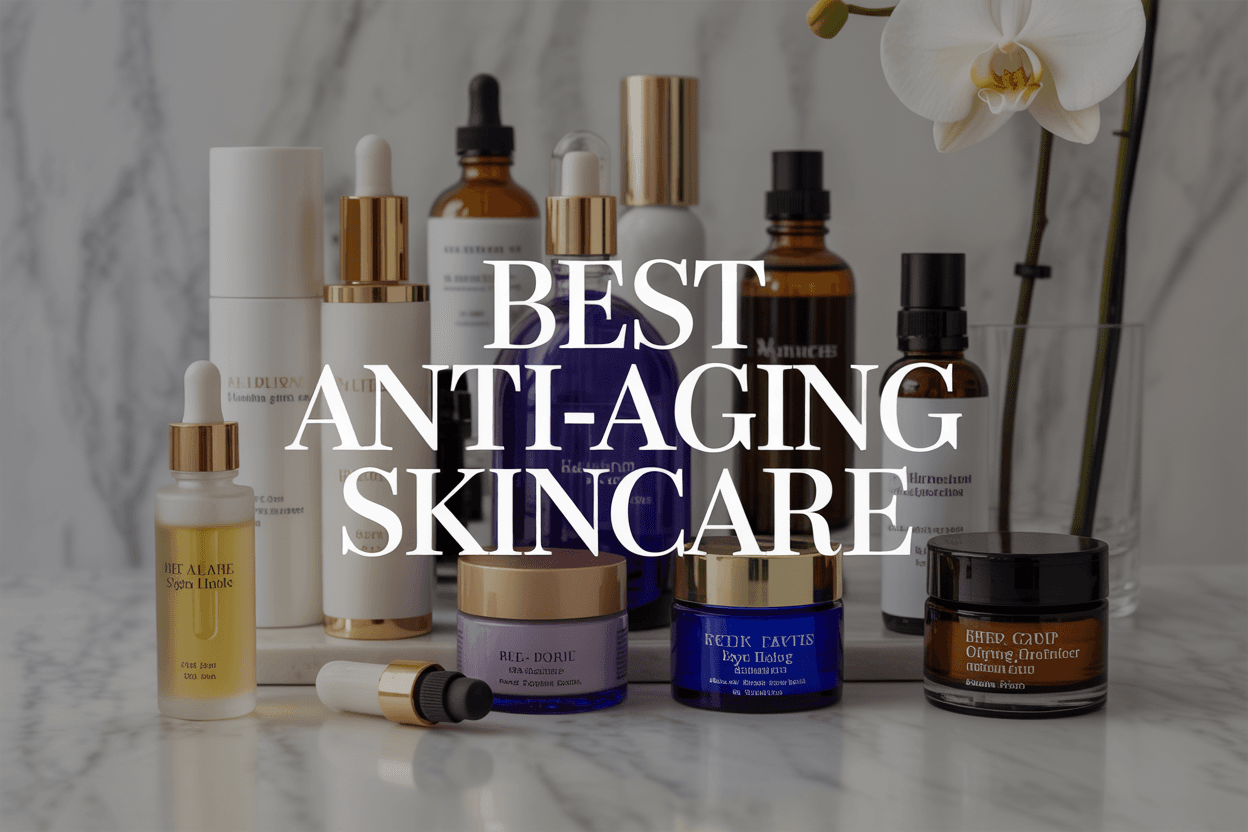
Aging skin doesn’t have to feel like an uphill battle. If you’re noticing fine lines, wrinkles, or loss of firmness, the right skincare products can make a real difference in how your skin looks and feels. This guide is for anyone ready to take control of their aging concerns with proven ingredients and smart routines.
You’ll discover the essential steps for building an effective anti-aging skincare routine that actually works. We’ll break down the key active ingredients that combat aging signs, from retinoids to vitamin C, so you know what to look for on product labels. You’ll also learn the differences between morning and evening application strategies to maximize your results and get the most from every product you use.
Essential Steps for Building an Anti-Aging Skincare Routine
Daily Cleansing with Hydrating Formulas
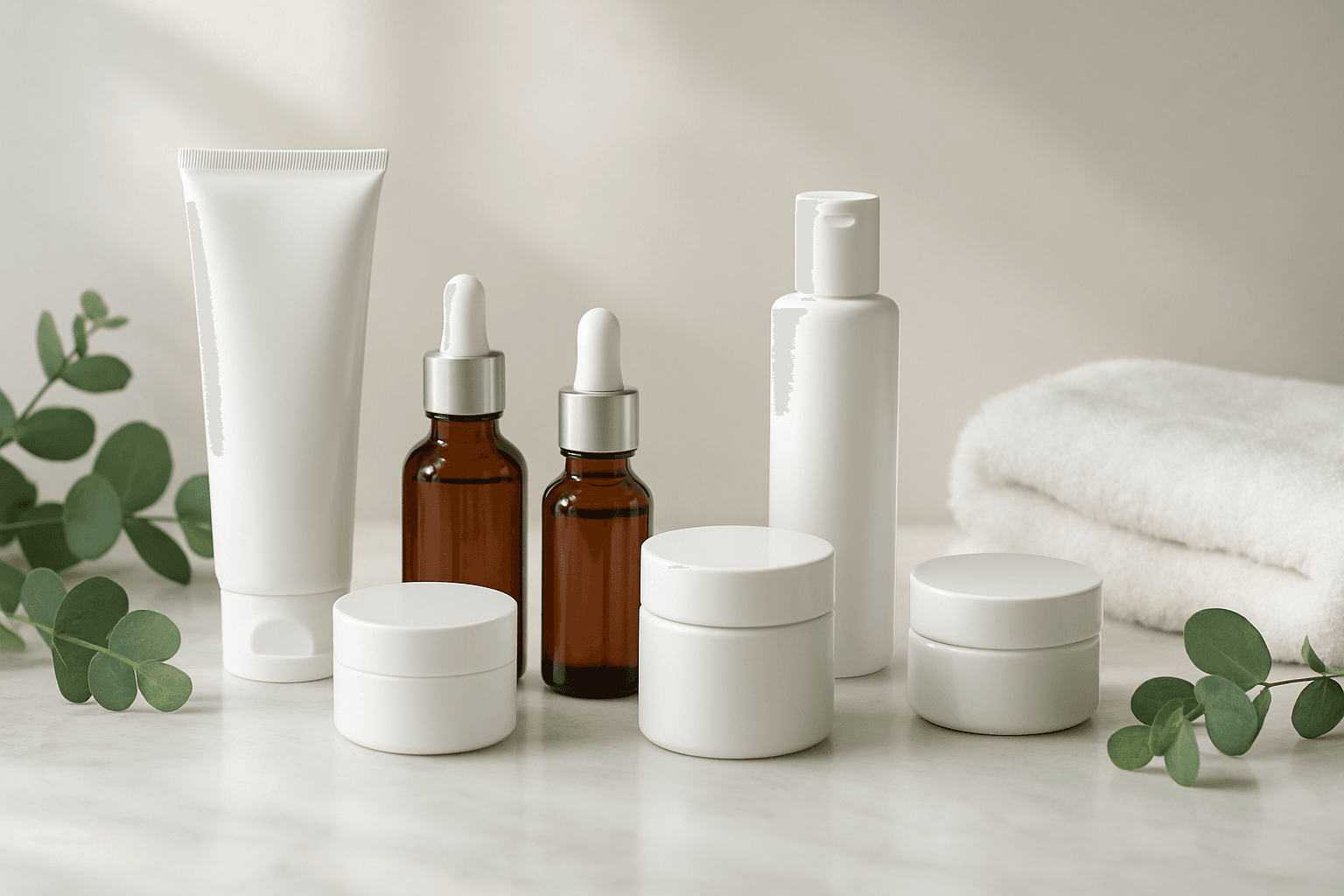
Your journey to healthier, more youthful-looking skin begins with proper cleansing that doesn’t compromise your skin’s natural moisture barrier. When selecting skin care products for aging skin, choose a hydrating facial cleanser designed specifically for normal to dry skin types, as mature skin tends to produce less natural oil over time.
Look for cleansers that feature essential ceramides to help restore your skin’s protective barrier, along with hyaluronic acid to maintain hydration levels. These gentle yet effective formulas should cleanse and refresh your skin without over-stripping or leaving it feeling tight and dry. The ideal cleanser will remove impurities while supplying your skin with steady nourishment throughout the day.
For your evening routine, consider implementing a double-cleanse approach. Start with an oil-based cleanser to break down makeup, sunscreen, and daily debris, then follow with a gel-based cleanser to ensure complete removal and better product absorption for the treatments that follow.
Regular Exfoliation to Remove Dead Skin Cells
Now that you understand proper cleansing techniques, incorporating regular exfoliation becomes crucial for maintaining smooth, radiant skin. Retinol products offer excellent exfoliation benefits by helping prevent the buildup of dead skin cells, which naturally refines and smooths your complexion for fresher, younger-looking skin.
You can also benefit from AHA exfoliating serums, particularly those containing glycolic acid or lactic acid. These ingredients work to brighten your skin while providing hydration. When using lactic acid formulations, you’ll notice they help illuminate dark spots while soothing your skin with additional beneficial extracts.
Start slowly when introducing exfoliating products to avoid irritation, gradually working your way up to daily use. This approach ensures your skin adapts properly while reaping the maximum anti-aging benefits.
Toning to Prevent Clogged Pores
With proper cleansing and exfoliation established, toning becomes an essential step that preps your skin for optimal product absorption. Toner is particularly necessary if you have oily or acne-prone skin, as it helps maintain your skin’s perfect pH balance while preventing clogged pores.
Apply toner immediately after cleansing, both morning and evening, to create the ideal foundation for your subsequent skincare products. Look for formulations that contain exfoliating and toning ingredients like phenol and salicylic acid, which not only prep your skin but also help maintain its overall health and clarity.
Prevention and Correction with Targeted Treatments
Previously, we’ve covered the foundational steps of your routine, and now it’s time to address specific aging concerns with targeted treatments. Your serum selection should focus on proven anti-aging ingredients that work synergistically to combat visible signs of aging.
Vitamin C serums provide powerful antioxidant protection while defending against free radicals that contribute to premature aging. A 10% pure vitamin C formulation can visibly brighten your complexion and improve the appearance of fine lines, dark spots, and uneven skin tone. Look for serums that also contain moisturizing hyaluronic acid and soothing vitamin B5 for enhanced hydration.
For evening treatments, retinol stands as one of the most important anti-aging ingredients. It works diligently to prevent new wrinkles from forming while smoothing existing fine lines and decreasing pigmentation through cellular turnover. Choose retinol products with encapsulated delivery systems that gradually release the ingredient into your skin, reducing the risk of irritation.
With this targeted approach in mind, you can also incorporate peptide-rich treatments that improve the appearance of tired-looking skin and support collagen production for firmer, more resilient skin over time.
Key Active Ingredients That Combat Aging Signs
Retinoids for Fine Lines and Wrinkle Reduction
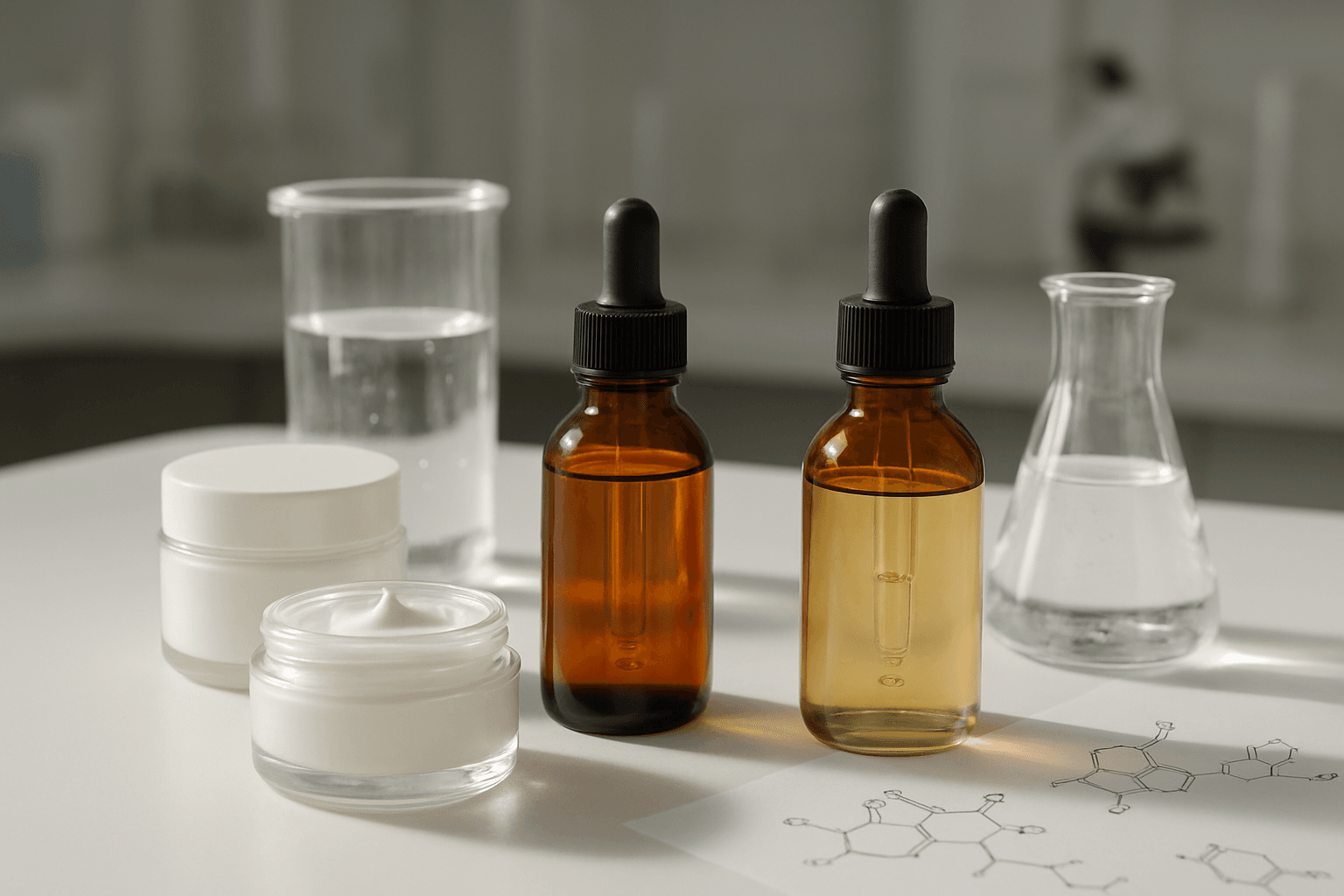
After sunscreen, retinoids stand as the second most effective anti-aging ingredient available for your skincare routine. When you hear the term “retinoid,” you’re looking at an umbrella category that encompasses several specific ingredients, including over-the-counter retinol and prescription-strength options like tretinoin. Retinol works as a powerhouse anti-aging ingredient by stimulating cell turnover and increasing your skin’s natural collagen production in both the epidermis and dermis layers.
You can find retinol at any drugstore, and it’s incredibly well-studied and well-supported as an anti-aging ingredient. For those seeking more potent results, prescription retinoids like Retin-A prove particularly effective, especially when treating acne alongside aging concerns. Your dermatologist can prescribe the best option for your specific skin needs.
If you’re pregnant, breastfeeding, or dealing with skin sensitivity, bakuchiol serves as a suitable retinol alternative that’s well-studied and proven efficient in clinical trials. This natural derivative of retinol stimulates cellular turnover and increases your skin’s existing collagen production while strengthening your skin’s moisture barrier simultaneously, preventing potential irritation or moisture loss.
Vitamin C for Brightening and Antioxidant Protection
Vitamin C, or L-ascorbic acid, functions as a potent antioxidant that works synergistically with sunscreen to protect your skin from UV and free-radical damage. This powerhouse ingredient helps build collagen and assists your superficial skin cells in dealing with hyperpigmentation concerns.
Your body naturally produces collagen, which helps maintain a firm, bouncy appearance in your skin, but this production decreases as you age. Using a daily vitamin C serum provides an excellent way to protect your skin from UV-related collagen loss while stimulating collagen production. This vitamin proves essential for supporting collagen production, making it indispensable for natural anti-aging skincare. Without vitamin C, your collagen restoration process would be impossible.
For enhanced effectiveness, look for vitamin C serums formulated with ferulic acid. This ingredient helps stabilize formulas containing vitamin C while serving as a powerful antioxidant itself. Ferulic acid works by neutralizing free radicals that eat away at your existing collagen production from UV damage, blue light exposure, and other environmental factors, helping preserve your existing collagen production and maintain a more youthful appearance.
Vitamin E for Enhanced Hydration and Anti-Aging Benefits
For incredible skin soothing, enhanced hydration, and suppleness, vitamin E proves essential in your anti-aging routine. This vitamin eases dryness by helping your skin retain its natural moisture levels, and when applied regularly, it’s effective at reducing the appearance of fine lines and wrinkles.
Your skin benefits from vitamin E’s inherent antioxidant status, as it blocks free radicals and serves as your first line of defense against damaging environmental effects. As part of your moisturizing natural skincare routine, vitamin E works as daily therapy to seal in moisture and protect your outermost skin layer.
This versatile ingredient combines particularly well with other anti-aging compounds, making it a central component in nourishing natural products including body butters, creams, cosmetics, and eye creams. Its ability to enhance hydration while providing antioxidant protection makes it an invaluable addition to your comprehensive anti-aging strategy.
Niacinamide for Even Skin Tone and Texture
Niacinamide stands out as a must-have ingredient in your natural anti-aging skincare routine, working to boost your skin’s immunity by increasing ceramide production. Ceramides form an essential part of your skin’s lipid barrier, helping retain moisture and protecting against environmental pollutants.
Sun exposure can strip and damage your skin’s protective barrier, making ceramide-producing topicals containing niacinamide a key strategy for maintaining more youthful skin. You can re-strengthen damaged skin, prevent moisture loss, and keep out invading microbes with regular niacinamide application. An improved lipid barrier also means less redness, blotchiness, and sensitivity – all results of a weakened barrier.
When applied nightly in concentrated serum formulations, niacinamide works to strengthen and fortify your skin structure over time. The results you’ll notice include better pH balance, controlled sebum production, and reduced inflammation or sensitive spots in your skin, contributing to a more even skin tone and improved texture.
Morning vs Evening Skincare Application Strategies
Morning Protection with Sunscreen and Antioxidants
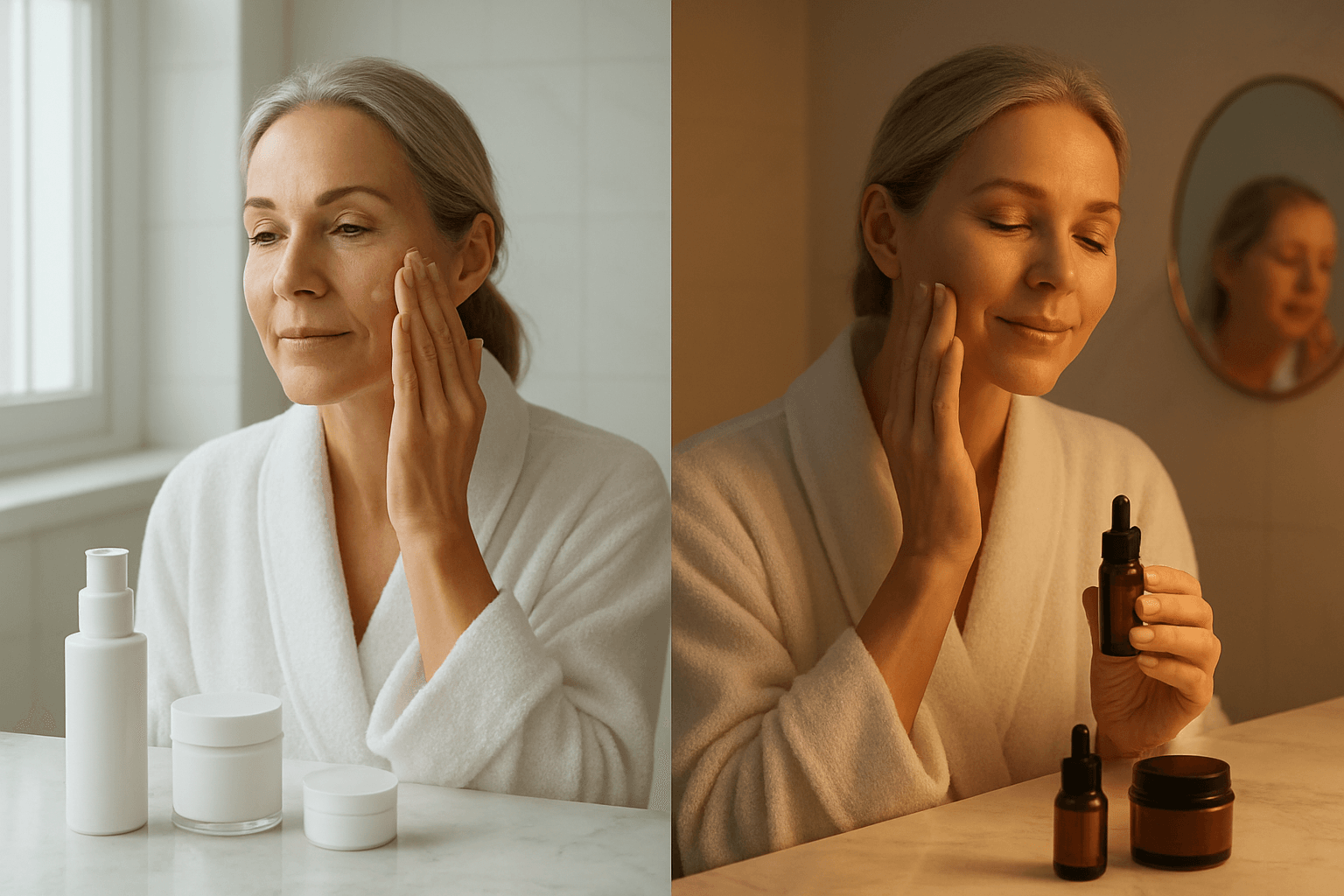
Your morning skincare routine serves as your daily armor against environmental damage and aging accelerators. When you wake up, your skin needs protection from UV rays, pollution, and free radicals that accumulate throughout the day. Start by rinsing your face with water, then apply a vitamin C serum as your primary antioxidant defense. The reference routines consistently show vitamin C as a morning staple, with many users applying products like “Timeless Vitamin C 20%” or “Green Tangerine Vit C on dry skin.”
After your vitamin C serum, layer on additional protective ingredients. You can incorporate antioxidant-rich serums containing CoQ10 or bakuchiol, which provide additional free radical protection without the photosensitivity concerns of retinoids. Follow this with a moisturizer to maintain your skin barrier, then finish with broad-spectrum SPF as your final defense layer. Users consistently report success with sunscreens like “Beauty of Joseon rice and probiotics sunscreen” or “SPF50 Broad spectrum PA+++” for comprehensive protection.
Nighttime Repair with High-Potency Treatments
Now that we’ve covered your protective morning routine, your evening regimen shifts focus to repair and regeneration. Nighttime is when your skin naturally enters its recovery phase, making it the optimal time for potent anti-aging treatments. Begin with thorough cleansing using a double-cleanse method – start with cleansing oil to remove sunscreen and makeup, followed by a gentle foaming or gel cleanser.
Your nighttime routine should center around active ingredients that promote cellular renewal. Tretinoin appears frequently in the reference routines as the gold standard for anti-aging, with users applying it 3-5 times per week. One user noted using “tretinoin” followed by “La Roche Posay Cicaplast B5 Baume” for soothing support. Alternatively, you can use retinol serums, which provide similar benefits with potentially less irritation.
Support your active treatments with hydrating essences and serums. Snail mucin consistently appears in evening routines for its healing and moisture-retaining properties. Follow with a substantial moisturizer – many users prefer “CeraVe PM moisturizer” for its ceramide content that supports barrier repair overnight.
Gradual Introduction of Active Ingredients
With this foundation in mind, introducing anti-aging actives requires patience and strategic timing. Your skin needs time to build tolerance to powerful ingredients like retinoids, acids, and high-concentration vitamin C. Start by using new active ingredients only 1-2 times per week, gradually increasing frequency as your skin adapts.
The reference routines demonstrate smart alternating schedules. One user alternates “tretinoin” with “niacinamide” on different nights, while another uses “retinol 3x a week” combined with “salicylic acid 2 times a week.” This approach prevents overwhelming your skin while still delivering anti-aging benefits.
Pay attention to ingredient combinations and timing. Apply vitamin C in the morning when it can provide antioxidant protection, while reserving retinoids for evening when they won’t increase photosensitivity. Space out exfoliating treatments – the routines show users incorporating “glycolic acid” or “salicylic acid” once or twice weekly, separate from retinoid nights.
Monitor your skin’s response and adjust accordingly. If you experience excessive dryness or irritation, reduce frequency rather than abandoning effective ingredients entirely. Many users successfully maintain long-term anti-aging routines by finding the right balance of active ingredients and supporting hydration products for their individual skin needs.
Advanced Anti-Aging Technologies and Formulations
Medical-Grade Skincare Benefits
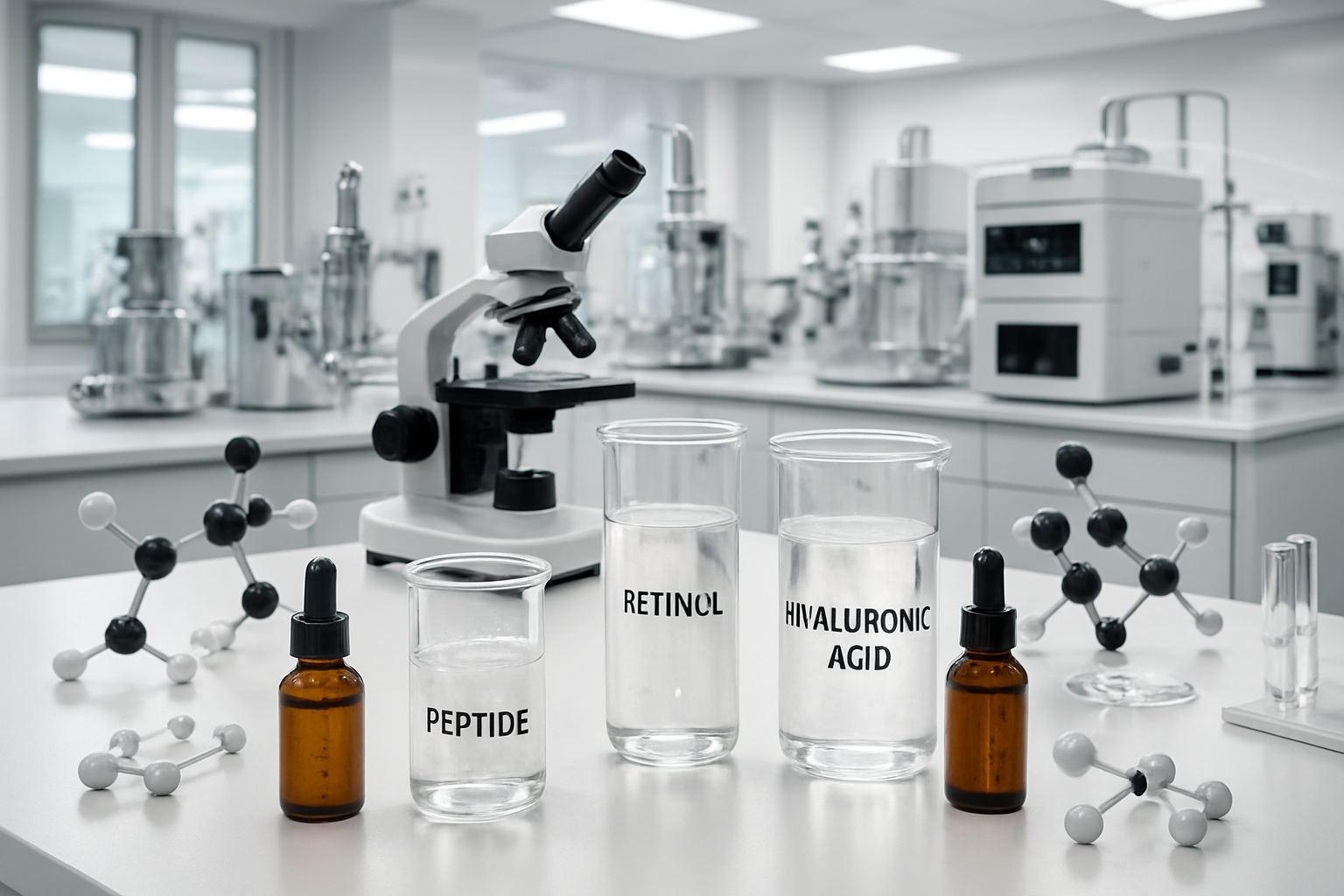
When you’re looking for skin care products for aging skin, medical-grade formulations offer clinical-strength ingredients that deliver transformative results. These advanced formulations undergo rigorous testing and contain higher concentrations of active ingredients compared to over-the-counter alternatives. FDA-approved medical-grade products ensure you’re receiving safe, effective treatments that have been proven in expert-led studies.
Medical-grade skincare products work at the cellular level to stimulate your skin’s natural healing processes and boost collagen production. Unlike traditional topical products that only work on the surface, these sophisticated formulations penetrate deeper layers of your skin to trigger neocollagenesis – the process of new collagen formation that continues for months after application.
Proprietary Delivery Systems for Enhanced Results
Your skincare routine’s effectiveness depends significantly on how well active ingredients penetrate your skin. Advanced proprietary delivery systems use controlled energy delivery mechanisms to ensure optimal absorption and bioavailability. These cutting-edge systems work by creating microscopic pathways that allow beneficial ingredients to reach target depths within your dermis.
Modern delivery technologies combine multiple approaches to maximize ingredient penetration. Some systems use thermal therapy to increase circulation and activate collagen production pathways, while others employ controlled micro-channeling to enhance ingredient absorption. The science behind these delivery methods ensures that you receive maximum benefit from each product application.
Bioengineered Plant Stem Cell Complexes
Now that we’ve covered delivery systems, bioengineered plant stem cell complexes represent another breakthrough in advanced anti-aging formulations. These sophisticated ingredients work by triggering your skin’s natural stress response mechanisms and promoting cellular regeneration from within. Plant stem cell technology provides targeted solutions that stimulate natural healing processes without the need for invasive procedures.
These bioengineered complexes contain concentrated growth factors and peptides that enhance your skin’s ability to repair and renew itself. When applied consistently, plant stem cell formulations help improve skin texture, firmness, and overall appearance through sustained collagen stimulation.
Triple Spectrum Sun Protection
With advanced anti-aging technologies in mind, comprehensive sun protection forms the foundation of any effective aging skin routine. Triple spectrum protection shields your skin from UVA, UVB, and infrared radiation – all of which contribute to premature aging and collagen breakdown. Advanced formulations incorporate zinc oxide, titanium dioxide, and chemical filters that work synergistically to provide broad-spectrum coverage.
Professional-grade sun protection products often include antioxidants and DNA repair enzymes that help reverse existing damage while preventing future photodamage. These multi-functional formulations serve as both protective barriers and active treatment products, making them essential components of your daily skincare regimen.
Age-Appropriate Timing for Anti-Aging Prevention

Starting in Your Late Twenties for Prevention
You should begin incorporating anti-aging products into your skincare routine much earlier than you might expect. Most people wait until their fifties when wrinkles and sagging skin become more permanent, but dermatology experts recommend starting as early as your twenties. This proactive approach allows you to train your skin how to behave before visible signs of aging appear.
When you start using anti-aging products in your twenties, you’re essentially preventing damage rather than trying to reverse it later. Prevention is always more effective than attempting to cure existing problems. Your skin will better respond to treatments if you’ve been consistently using beneficial ingredients from an early age.
During your twenties, your body naturally produces abundant collagen, elastin, and hyaluronic acid – the three proteins responsible for youthful-looking skin. However, these levels begin declining as you age. By introducing products containing hyaluronic acid, retinol, and vitamin C early, you help maintain optimal skin function and train your skin to stay hydrated and vitamin-rich.
You don’t need to purchase products specifically labeled as “anti-aging” in your twenties. Instead, focus on skincare products containing active ingredients that brighten and plump your skin. The key is establishing consistent habits with proven ingredients that will benefit your skin long-term.
Professional Guidance for Skin Assessment
You should consult with a dermatologist before embarking on any new skincare routine containing active ingredients. Professional guidance becomes crucial when determining which products and concentrations are appropriate for your specific skin needs and concerns.
A dermatologist can assess your current skin condition and recommend the most effective timeline for introducing anti-aging ingredients. They can also help you understand which active ingredients might cause unwanted side effects such as peeling, dryness, breakouts, or redness at high concentrations.
Professional consultation is particularly valuable when you’re ready to explore advanced treatments beyond topical products. Dermatologists can discuss procedures like chemical peels, which serve as preventative measures to keep your face fresh, or even preventative Botox treatments that train your facial muscles to relax and prevent wrinkle-causing skin creasing.
Your dermatologist can also provide personalized recommendations based on your lifestyle factors, sun exposure history, and genetic predisposition to aging. This professional assessment ensures you’re investing in the right products and treatments for your unique skin profile.
Customized Protocols for Different Skin Types
You need to understand that different skin types require tailored approaches to anti-aging care. Your specific skin concerns, sensitivity levels, and current condition all influence which products and active ingredients will work best for you.
If you have dry skin, you’ll benefit most from products containing hyaluronic acid, which acts as a humectant to bind moisture and plump your skin’s appearance. For those experiencing dullness, vitamin C (L-ascorbic acid) brightens tired-looking skin while protecting against environmental damage from pollution and UV rays.
You should consider your life stage when selecting products. During menopause, you may notice accelerated wrinkle formation due to declining collagen levels, making copper peptides particularly beneficial as they boost collagen and elastin production while providing antioxidant protection.
For sensitive skin types, you’ll want to introduce active ingredients gradually and monitor for reactions. Start with lower concentrations of retinoids and alpha-hydroxy acids, which stimulate collagen production and brighten skin while promoting cell renewal.
Your daily routine should always include moisturizer and broad-spectrum sunscreen with at least SPF 30, regardless of skin type. These fundamental products protect against UV damage and maintain skin suppleness across all skin types.
Long-Term Commitment for Visible Results
You must understand that achieving noticeable results with anti-aging skincare requires patience and consistency. You may need to use products for several months before experiencing visible improvements in your skin’s appearance and texture.
Your commitment to daily application is crucial for training your skin to maintain optimal hydration and vitamin levels. When you consistently apply hyaluronic acid creams, your skin learns to stay hydrated, and regular retinol use helps your skin thrive on daily vitamin doses.
The long-term benefits of starting early become apparent as you age. By maintaining consistent skincare habits throughout your twenties and beyond, your skin will be better prepared to respond to treatments should more significant aging signs appear later.
You should also complement your topical skincare routine with healthy lifestyle practices that support long-term skin health. This includes wearing sunglasses to avoid repetitive squinting, maintaining a balanced diet rich in polyphenol foods like green tea and mangoes, exercising regularly, and avoiding smoking and excessive alcohol consumption.
Remember that it’s never too late to start proper skincare habits. Even if you’re beginning your anti-aging journey later in life, consistent moisturizing and sun protection can still provide significant benefits for your skin’s appearance and health.
Building an effective anti-aging skincare routine requires commitment and the right combination of proven ingredients. By incorporating essential steps like cleansing, exfoliating, and applying targeted treatments with active ingredients such as retinoids, vitamin C, and niacinamide, you can address visible signs of aging at every phase. Remember that consistency in your morning and evening applications, along with choosing age-appropriate products and advanced formulations, will deliver the best results for your skin.
The journey to healthier, more youthful-looking skin doesn’t have an expiration date – it’s never too early or too late to start caring for your skin. Whether you’re in your twenties focusing on prevention or addressing existing concerns later in life, the key is selecting medical-grade, clinically proven products that work for your specific skin type. Start building your personalized anti-aging routine today and commit to the process – your skin will thank you for the investment in its long-term health and appearance.
Skincare Secrets for Aging Skin from a Dermatologist! | The Social
FAQ Questions and Answers
How can I look 10 years younger naturally?
To look 10 years younger naturally, focus on a high-performance anti-aging skincare routine that prioritizes sun protection and hydration. Incorporating a daily broad-spectrum SPF 30+ is the most effective way to prevent premature aging and sunspots. Pair this with antioxidant-rich serums like Vitamin C to brighten the complexion and a consistent evening retinoid to boost collagen production and smooth fine lines without invasive procedures.
What is the best way to tighten aging skin?
Tightening aging skin requires a dual approach of topical treatments and professional-grade ingredients. Using skincare formulated with peptides, ceramides, and hyaluronic acid helps restore the skin barrier and improve elasticity. For more significant lifting, many dermatologists recommend non-invasive treatments like radiofrequency (RF) or microneedling, which stimulate deep collagen remodeling to firm sagging areas around the jawline and neck.
Is CeraVe good for aging skin?
Yes, CeraVe is highly recommended by dermatologists for aging skin because its formulas are centered around three essential ceramides that repair a thinning skin barrier. Products like the CeraVe Skin Renewing Night Cream and their hyaluronic acid serums provide deep, non-greasy hydration that plumps the skin, making it an excellent, budget-friendly choice for maintaining a youthful, healthy glow.