Finding the best natural skin care products for sensitive skin can feel overwhelming when every product seems to promise miracles but delivers irritation instead. If you’re dealing with redness, burning, or breakouts from conventional skincare, you’re not alone – and natural alternatives might be exactly what your skin needs.
This guide is for anyone with sensitive skin who wants to ditch harsh chemicals and embrace gentler, plant-based solutions that actually work. You’ll discover which natural ingredients your skin will love, learn how to spot the gentle natural cleansers that won’t leave your face tight and angry, and find organic moisturizers for sensitive skin that provide lasting hydration without the drama.
We’ll also walk you through building a complete sensitive skin care routine using products that respect your skin’s delicate nature, plus share natural sunscreen sensitive skin options that protect without causing flare-ups.
Understanding Sensitive Skin and Natural Skincare Benefits
Identifying Common Sensitive Skin Triggers and Reactions
Sensitive skin affects millions of people worldwide, manifesting through various uncomfortable symptoms that can disrupt daily life. The most common reactions include redness, burning sensations, stinging, itching, and tightness after applying skincare products or exposure to environmental factors. Some people experience immediate reactions, while others develop symptoms hours or even days later.
Environmental triggers play a significant role in sensitive skin flare-ups. Weather changes, particularly cold winds or excessive heat, can cause irritation. Air pollution, dust, and even certain fabrics touching the skin can trigger reactions. Stress hormones also influence skin sensitivity, making the skin barrier weaker and more prone to irritation during challenging periods.
Common skincare ingredients that frequently cause problems include fragrances, alcohol, sulfates, parabens, and certain preservatives. Even ingredients marketed as “natural” can sometimes trigger reactions – essential oils like peppermint, eucalyptus, or citrus oils can be particularly problematic for sensitive skin types.
Food allergies and hormonal fluctuations can also contribute to skin sensitivity. Women often notice increased sensitivity during menstrual cycles, pregnancy, or menopause due to changing hormone levels.
Why Natural Ingredients Work Better for Delicate Skin
Natural skincare for sensitive skin offers several advantages over conventional formulations. Plant-based ingredients typically contain fewer synthetic chemicals and harsh processing agents that can irritate delicate skin. Many natural ingredients have been used for centuries in traditional medicine, providing gentle yet effective care.
The molecular structure of natural ingredients often mimics components naturally found in healthy skin. For example, plant oils like jojoba closely resemble the skin’s natural sebum, making them easily absorbed without clogging pores or causing irritation. This compatibility means the skin recognizes and accepts these ingredients more readily.
Natural ingredients frequently contain multiple beneficial compounds working together synergistically. A single plant extract might provide anti-inflammatory, antimicrobial, and moisturizing properties simultaneously. This multi-functional approach means fewer products are needed, reducing the risk of reactions from multiple ingredient interactions.
Gentle natural skin products also tend to have simpler formulations with fewer total ingredients. This minimalist approach makes it easier to identify potential irritants and reduces the likelihood of adverse reactions. When reactions do occur, pinpointing the problematic ingredient becomes much simpler.
Key Ingredients to Avoid in Conventional Skincare Products
Conventional skincare products often contain ingredients that can wreak havoc on sensitive skin. Sulfates, commonly found in cleansers, strip away natural oils and disrupt the skin barrier. Sodium lauryl sulfate (SLS) and sodium laureth sulfate (SLES) are particularly harsh and can cause immediate stinging or burning sensations.
Synthetic fragrances represent one of the most common causes of allergic reactions in skincare products. These complex chemical mixtures can contain dozens of individual compounds, many of which aren’t listed on labels due to trade secret protections. Even products labeled “unscented” may contain masking fragrances to cover the smell of other ingredients.
Alcohol-based ingredients like denatured alcohol, isopropyl alcohol, and ethanol can severely dry and irritate sensitive skin. While some fatty alcohols like cetyl or stearyl alcohol are actually beneficial, the drying alcohols should be avoided entirely.
| Ingredient Category | Examples | Why to Avoid |
|---|---|---|
| Harsh Sulfates | SLS, SLES | Strip natural oils, disrupt skin barrier |
| Synthetic Fragrances | Parfum, fragrance | High allergen potential, complex chemical mixtures |
| Drying Alcohols | Denatured alcohol, isopropyl alcohol | Cause dryness and irritation |
| Harsh Preservatives | Formaldehyde-releasing agents | Can cause contact dermatitis |
| Strong Acids | High concentration glycolic acid | Too harsh for sensitive skin |
Chemical sunscreens containing oxybenzone, octinoxate, or avobenzone can cause stinging, particularly around the delicate eye area. Physical sunscreens with zinc oxide or titanium dioxide are generally better tolerated.
How Natural Products Reduce Inflammation and Irritation
Natural ingredients for sensitive skin work through multiple pathways to calm inflammation and restore skin balance. Many plant compounds contain natural anti-inflammatory molecules like flavonoids, polyphenols, and omega fatty acids that actively reduce redness and swelling at the cellular level.
Aloe vera contains compounds like acemannan and bradykinase that specifically target inflammatory pathways. Chamomile provides azulene and bisabolol, which have been clinically shown to reduce skin irritation and promote healing. These ingredients don’t just mask symptoms – they address the underlying inflammatory processes causing discomfort.
Natural moisturizing ingredients help restore the skin barrier, which is often compromised in sensitive skin types. Plant oils rich in ceramides and essential fatty acids help rebuild this protective layer, making skin less reactive to external irritants. Hyaluronic acid from natural sources provides deep hydration without the synthetic stabilizers that might cause reactions.
Hypoallergenic natural skincare formulations also tend to have better pH balance, matching the skin’s natural slightly acidic environment. This pH compatibility helps maintain the skin’s protective acid mantle, which serves as the first line of defense against irritants and bacteria.
The gentle nature of natural preservation systems, often using combinations of plant extracts with antimicrobial properties, means less disruption to the skin’s natural microbiome. A balanced skin microbiome is essential for healthy, non-reactive skin function.

Essential Natural Ingredients for Sensitive Skin Relief
Soothing botanicals that calm redness and irritation
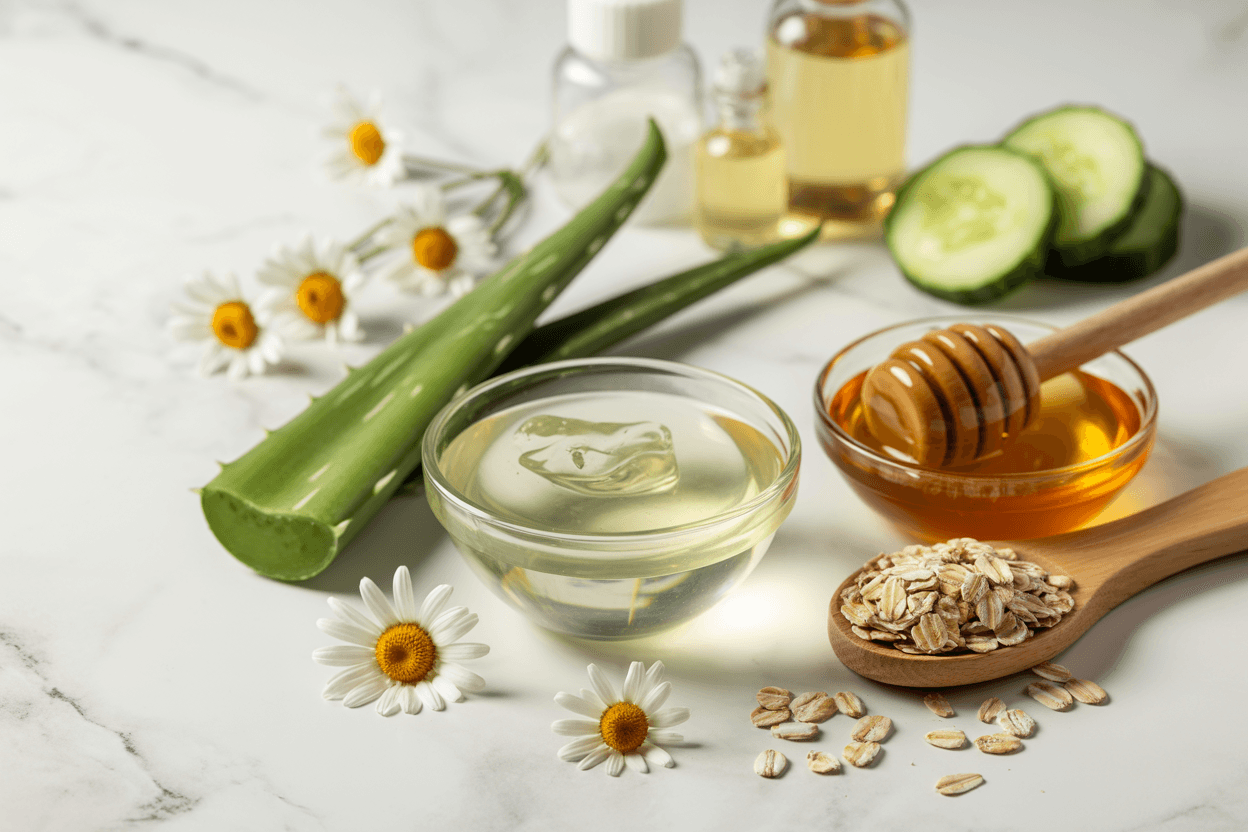
Chamomile stands as one of the most gentle and effective botanical ingredients for sensitive skin. This delicate flower contains powerful compounds called azulenes that give chamomile its characteristic blue tint and anti-inflammatory properties. When applied topically, chamomile helps reduce skin redness, calms irritation, and provides immediate relief for reactive skin types. German chamomile tends to be more potent than Roman chamomile, making it particularly valuable for those dealing with persistent sensitivity.
Calendula, often called pot marigold, offers another exceptional option for sensitive complexions. This bright orange flower has been used medicinally for centuries and contains triterpenes that help accelerate skin healing while reducing inflammation. Calendula-infused oils and extracts work wonderfully for damaged skin barriers, helping to restore the skin’s natural protective function.
Aloe vera gel provides instant cooling relief for inflamed or irritated skin. The clear gel contains polysaccharides and glycoproteins that create a protective film over the skin while delivering deep hydration. Pure aloe vera gel works especially well for those experiencing reactions to other skincare products or environmental stressors.
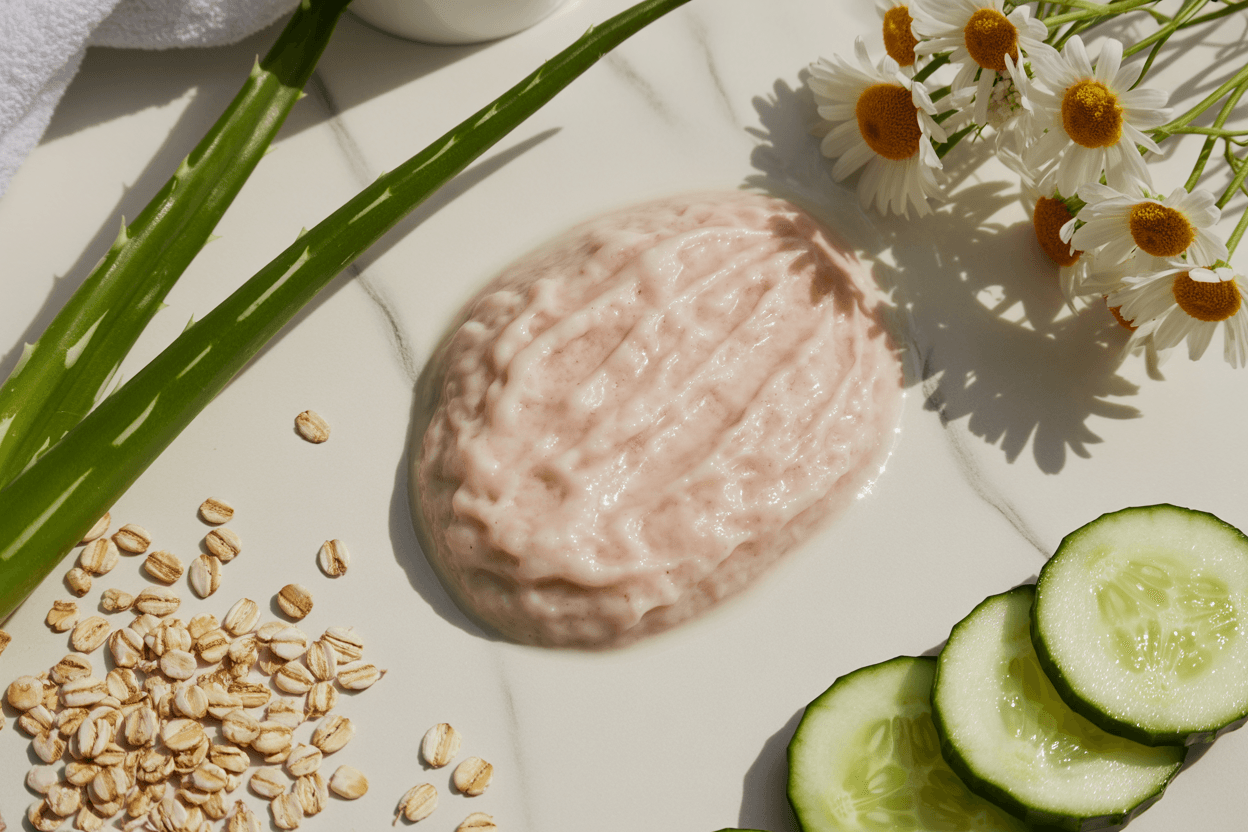
Oats contain compounds called avenanthramides that specifically target skin inflammation and itching. Colloidal oatmeal, which is finely ground oats suspended in liquid, creates a milky solution that coats the skin with protective beta-glucans. These compounds help strengthen the skin’s moisture barrier while providing immediate soothing relief.
Gentle moisturizing oils that strengthen skin barrier
Jojoba oil technically isn’t an oil but rather a liquid wax that closely mimics the skin’s natural sebum production. This unique composition allows jojoba to absorb quickly without leaving a greasy residue while helping to balance oil production. The molecular structure of jojoba oil is so similar to human sebum that it rarely causes reactions, making it perfect for sensitive skin care routines.
Squalane, derived from plants like olives or sugarcane, provides deep moisturization without clogging pores or causing irritation. This lightweight oil helps repair and strengthen the skin barrier by replenishing natural lipids that decline with age and environmental damage. Squalane works particularly well for those who find traditional moisturizers too heavy or reactive.
Rosehip seed oil contains high levels of essential fatty acids, including omega-3 and omega-6, along with natural vitamin A compounds. These nutrients help regenerate skin cells while providing anti-inflammatory benefits. The oil’s light texture makes it suitable for daily use, and its natural retinoids offer gentle anti-aging benefits without the irritation associated with synthetic retinoids.
Sweet almond oil offers a rich source of vitamin E and monounsaturated fatty acids that help maintain skin barrier function. This gentle oil absorbs moderately and provides lasting hydration while reducing transepidermal water loss, making it excellent for those with chronically dry, sensitive skin.
Anti-inflammatory plant extracts for healing
Green tea extract contains powerful polyphenols, particularly EGCG (epigallocatechin gallate), which provide significant anti-inflammatory and antioxidant benefits. These compounds help protect sensitive skin from environmental damage while reducing existing inflammation. Green tea extract works well in serums and moisturizers for daily protection.
Licorice root extract contains glycyrrhizin, a compound that helps calm skin irritation and reduce hyperpigmentation often associated with inflammatory skin conditions. This natural ingredient offers anti-inflammatory benefits comparable to low-dose corticosteroids but without the side effects, making it ideal for long-term use on sensitive skin.
Turmeric extract provides curcumin, a bright yellow compound with potent anti-inflammatory properties. While whole turmeric can stain the skin, standardized turmeric extracts offer the benefits without discoloration. This extract helps reduce redness and supports skin healing processes naturally.
Centella asiatica, also known as gotu kola, contains triterpenes that promote wound healing and reduce inflammation. This botanical has gained popularity in gentle natural skin products due to its ability to strengthen capillary walls and improve circulation, leading to healthier, more resilient skin over time.
Natural antimicrobials that prevent breakouts safely
Manuka honey provides gentle antimicrobial action through its unique methylglyoxal content and low pH. Unlike harsh synthetic antimicrobials, honey doesn’t disrupt the skin’s beneficial bacterial balance while effectively preventing harmful bacterial growth. Raw honey also provides enzymes and nutrients that support skin healing.
Tea tree oil, when properly diluted, offers natural antimicrobial benefits without the drying effects of conventional acne treatments. The key lies in using appropriate concentrations (typically 5-10%) and ensuring the oil is authentic and pure. Tea tree oil’s terpinen-4-ol component provides the antimicrobial action while being less irritating than benzoyl peroxide.
Propolis, a resinous substance created by bees, contains numerous antimicrobial compounds that help prevent bacterial infections while supporting skin healing. This natural substance works synergistically with honey and provides additional anti-inflammatory benefits for hypoallergenic natural skincare formulations.
Witch hazel provides gentle astringent and antimicrobial properties through its tannin content. Alcohol-free witch hazel extracts offer the benefits without the drying effects, making them suitable for sensitive skin that’s prone to occasional breakouts.
Top Natural Cleansers That Won’t Strip Your Skin
Oil-based cleansers for gentle makeup removal
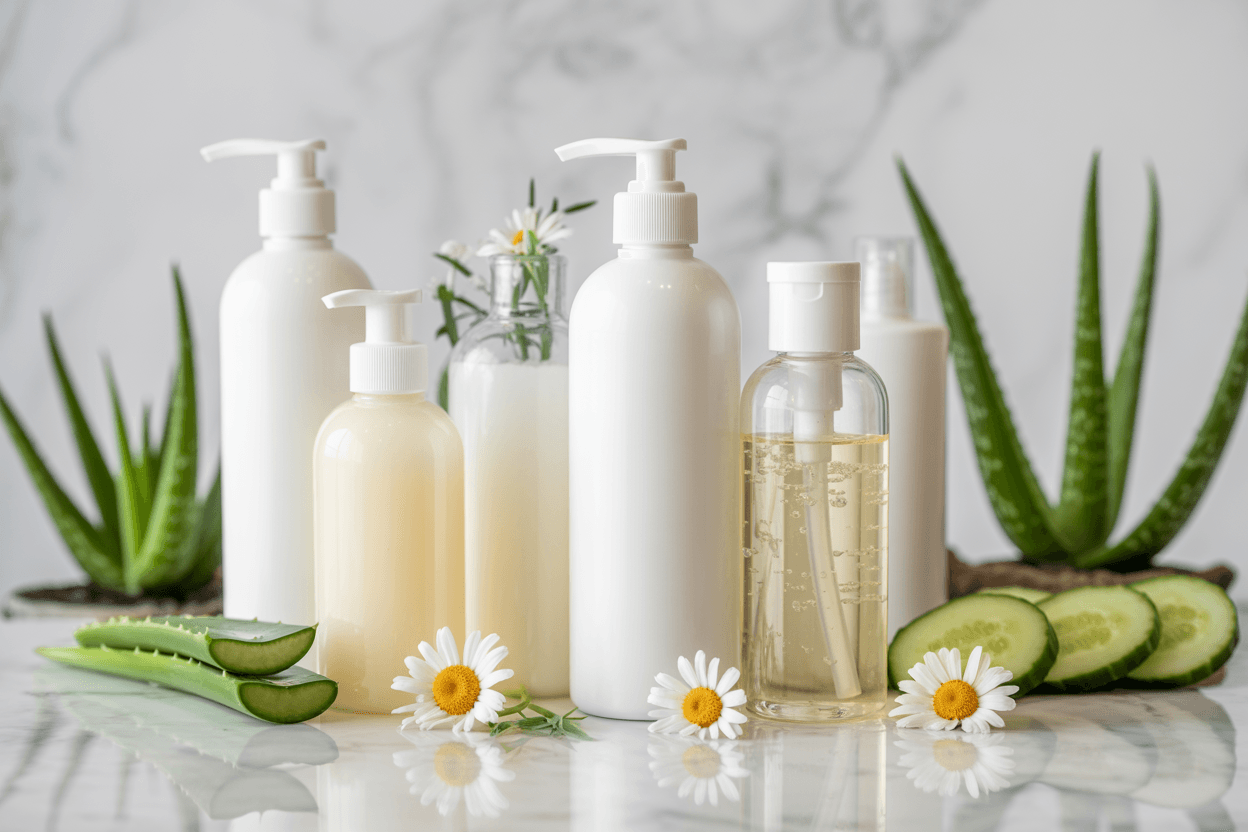
Oil cleansers work like magic for sensitive skin because they follow the simple principle that oil dissolves oil. Instead of harsh scrubbing or aggressive chemicals, these gentle natural cleansers melt away makeup, sunscreen, and daily grime without disrupting your skin’s protective barrier.
Jojoba oil stands out as one of the best choices for sensitive complexions. Technically a wax ester, jojoba closely mimics your skin’s natural sebum, making it incredibly compatible with reactive skin types. It removes stubborn mascara and long-wearing foundation while delivering moisture and vitamins E and B.
Sweet almond oil offers another excellent option for those seeking natural skincare for sensitive skin. Rich in vitamin E and fatty acids, it gently dissolves makeup while nourishing delicate skin. Unlike some oils that can feel heavy, sweet almond oil has a lighter texture that rinses away cleanly.
For those concerned about clogged pores, safflower oil provides non-comedogenic cleansing power. High in linoleic acid, this oil actually helps balance sebum production while removing makeup and impurities. Many people with sensitive, acne-prone skin find safflower oil particularly beneficial.
The double-cleanse method works exceptionally well with oil cleansers. Start by massaging the oil into dry skin for 30-60 seconds, allowing it to break down makeup and sunscreen. Add a small amount of warm water to emulsify the oil, creating a milky texture that lifts away impurities. Follow with a gentle second cleanser if desired.
Cream cleansers with nourishing ingredients
Cream cleansers offer the perfect middle ground for sensitive skin that needs thorough cleansing without the potential irritation of foaming formulas. These gentle natural skin products maintain your skin’s moisture levels while effectively removing daily buildup.
Look for cream cleansers featuring ceramides, which help restore and maintain your skin’s natural barrier function. Ceramides work particularly well for sensitive skin because they’re naturally found in healthy skin and help prevent water loss and irritation.
Oat-based cream cleansers deserve special attention for reactive skin types. Colloidal oatmeal contains compounds called avenanthramides, which provide anti-inflammatory benefits. These natural compounds soothe irritation while gently exfoliating dead skin cells, making oat cleansers ideal for those dealing with sensitivity and dullness.
Chamomile extract in cream formulations brings powerful calming properties to your cleansing routine. This gentle botanical reduces redness and inflammation while providing antioxidant protection. German chamomile tends to be more potent than Roman chamomile for sensitive skin concerns.
Shea butter-enriched cream cleansers offer intensive moisture while cleansing. Raw, unrefined shea butter contains natural vitamins A and E, plus cinnamic esters that provide anti-inflammatory benefits. These cream cleansers work especially well for dry, sensitive skin that tends to feel tight after washing.
| Cream Cleanser Ingredient | Primary Benefit | Best For |
|---|---|---|
| Ceramides | Barrier restoration | All sensitive skin types |
| Colloidal oatmeal | Anti-inflammatory | Irritated, reactive skin |
| Chamomile extract | Calming, redness reduction | Rosacea-prone skin |
| Shea butter | Deep moisturizing | Dry, sensitive skin |
Micellar waters with natural formulations
Micellar water revolutionized gentle cleansing by using tiny oil molecules suspended in soft water to attract and lift away impurities without rubbing or rinsing. For sensitive skin, choosing micellar waters with natural ingredients for sensitive skin ensures you get effective cleansing without synthetic irritants.
Rose water-based micellar formulations provide gentle cleansing with added skin benefits. Rose water naturally contains vitamins A, C, and E, plus anti-inflammatory compounds that soothe reactive skin. The natural pH of rose water closely matches healthy skin, making it less likely to cause irritation than traditional micellar waters.
Cucumber-infused micellar waters offer cooling, anti-inflammatory properties perfect for sensitive complexions. Cucumber naturally contains silica, vitamin C, and caffeic acid, which help reduce puffiness and redness while providing gentle cleansing action.
Green tea micellar waters combine effective cleansing with powerful antioxidant protection. The polyphenols in green tea help protect sensitive skin from environmental damage while providing anti-inflammatory benefits. These formulations work particularly well for sensitive skin that’s also prone to breakouts.
Chamomile micellar waters deliver the calming benefits of this gentle botanical in an easy-to-use format. German chamomile extract provides stronger anti-inflammatory action, while Roman chamomile offers gentler soothing properties. Both work excellently for reactive skin types.
When using micellar water, choose soft cotton pads and avoid excessive rubbing. Press the soaked pad gently against your skin for a few seconds to allow the micelles to dissolve makeup and impurities, then sweep away gently. For waterproof makeup, you might need to hold the pad in place slightly longer, but avoid aggressive wiping that can irritate sensitive skin.
Hypoallergenic natural skincare doesn’t have to mean sacrificing effectiveness. These natural micellar formulations prove that gentle ingredients can provide thorough cleansing while supporting your skin’s natural balance and comfort.
Gentle Natural Moisturizers for Daily Hydration
Lightweight serums with hyaluronic acid alternatives
Finding the right balance between hydration and gentleness can be tricky when you have sensitive skin. Traditional hyaluronic acid serums sometimes cause irritation for those with reactive complexions, but several natural alternatives deliver similar moisture-binding benefits without the potential for flare-ups.
Plant-based glycerin extracted from coconut or palm oil works beautifully as a humectant, drawing moisture from the environment into your skin. Unlike synthetic versions, organic glycerin rarely triggers sensitivity reactions and provides steady hydration throughout the day. Look for serums containing vegetable glycerin as the primary ingredient, ideally paired with soothing botanicals like chamomile or calendula extract.
Aloe vera gel stands out as another exceptional lightweight moisturizer for sensitive skin care routines. Pure aloe contains natural polysaccharides that mimic hyaluronic acid’s water-retaining properties while offering anti-inflammatory benefits. The cooling sensation feels refreshing on irritated skin, and the gel texture absorbs quickly without leaving sticky residue.
Tremella mushroom extract has gained recognition as nature’s hyaluronic acid alternative. This fascinating ingredient holds up to 500 times its weight in water and creates a protective moisture barrier on the skin’s surface. Serums featuring tremella mushroom work particularly well for those seeking organic moisturizers for sensitive skin that won’t overwhelm delicate complexions.
Rose water and witch hazel create excellent serum bases when combined with these hydrating ingredients. Both offer gentle astringent properties that help balance oil production while maintaining essential moisture levels.
Rich creams with ceramides and natural lipids
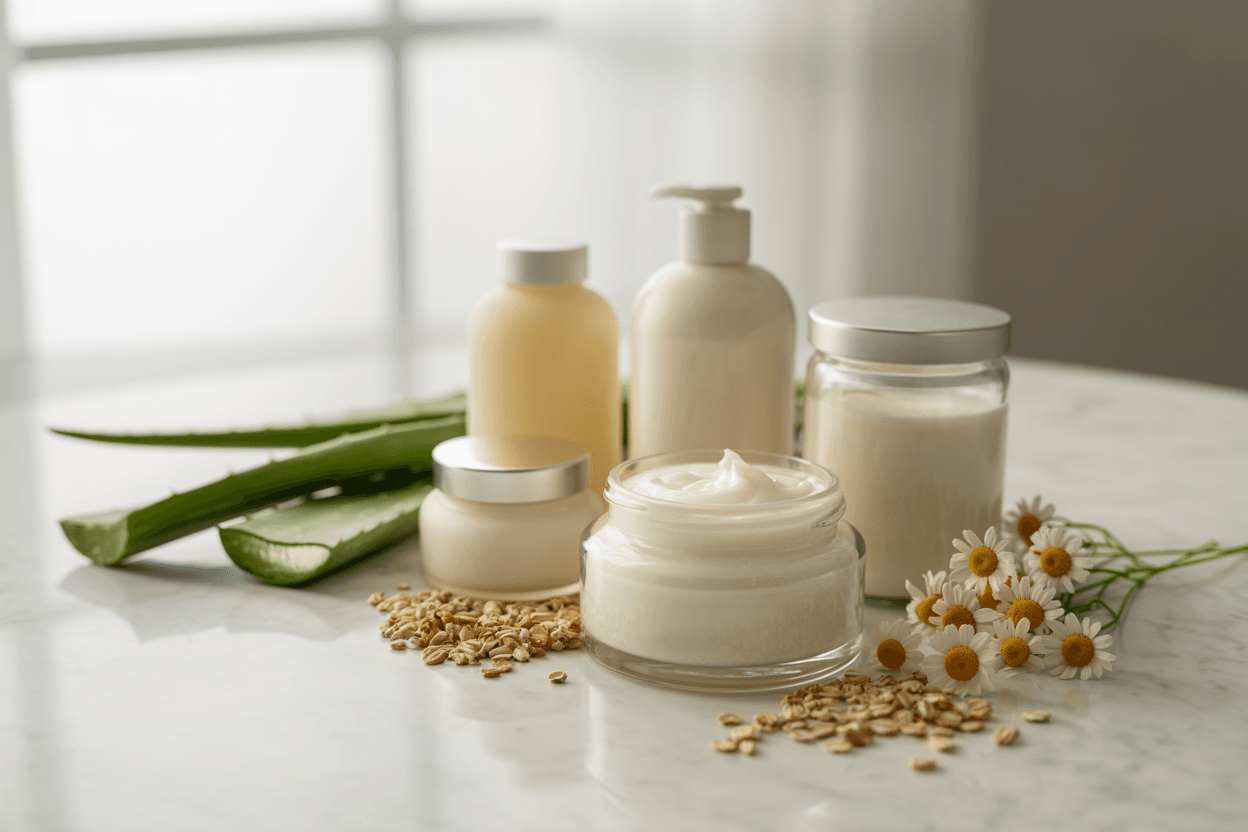
Your skin’s natural barrier requires specific lipids to function properly, especially when dealing with sensitivity issues. Rich moisturizing creams containing plant-derived ceramides and natural lipids help restore this protective barrier while providing deep, lasting hydration.
Sunflower seed oil naturally contains ceramides that closely match those found in healthy human skin. Creams formulated with cold-pressed sunflower oil help strengthen the skin barrier while delivering essential fatty acids that calm inflammation. The lightweight nature of sunflower oil makes it suitable for daily use without clogging pores.
Shea butter remains a gold standard for gentle natural skin products designed for sensitive complexions. Raw, unprocessed shea butter contains natural ceramides, triterpenes, and cinnamic acid esters that work together to heal and protect damaged skin. The thick, creamy texture provides intensive moisture while the anti-inflammatory compounds reduce redness and irritation.
Jojoba oil technically isn’t an oil but a liquid wax that closely mimics your skin’s natural sebum. This unique composition means jojoba rarely causes allergic reactions and helps regulate oil production rather than adding excess shine. Creams containing jojoba oil feel luxurious without being heavy or greasy.
Oat kernel extract and colloidal oatmeal deserve special mention for their barrier-repairing properties. These ingredients contain beta-glucans and avenanthramides that actively calm inflammation while strengthening the skin’s protective barrier. Many best natural skin care products for sensitive skin feature oat-based formulations for good reason.
Facial oils that absorb quickly without clogging pores
The right facial oils can transform sensitive skin without causing breakouts or irritation. Understanding which oils work best for different skin types helps you make informed choices for your natural skincare for sensitive skin routine.
Squalane, derived from olives or sugarcane, tops the list for non-comedogenic facial oils. This stable, lightweight oil absorbs instantly and mimics the skin’s natural moisture factor. Squalane rarely triggers sensitivity reactions and works well under makeup or other skincare products.
Rosehip seed oil contains natural retinoids and essential fatty acids that promote skin regeneration without the irritation associated with synthetic retinol. The oil’s light texture makes it perfect for morning or evening use, and its anti-inflammatory properties help calm reactive skin over time.
Marula oil, pressed from African marula fruit kernels, provides antioxidant protection while delivering moisture to parched skin. The oil’s unique fatty acid profile makes it particularly suitable for sensitive skin types prone to environmental reactivity.
Evening primrose oil works exceptionally well for hormonal sensitivity and inflammatory skin conditions. Rich in gamma-linolenic acid, this oil helps restore skin barrier function while reducing inflammation from within.
Night treatments for intensive repair and recovery
Nighttime provides the perfect opportunity for intensive skin repair, as your skin’s natural regeneration processes peak during sleep hours. Hypoallergenic natural skincare products designed for overnight use can dramatically improve sensitive skin’s appearance and comfort level.
Plant-based retinol alternatives like bakuchiol offer anti-aging benefits without the harsh side effects of traditional retinoids. Bakuchiol, extracted from the babchi plant, stimulates collagen production and improves skin texture while remaining gentle enough for sensitive complexions.
Honey-based night treatments provide antimicrobial and healing properties that work while you sleep. Manuka honey, in particular, contains methylglyoxal, which helps repair damaged skin and prevent bacterial overgrowth that can trigger sensitivity reactions.
Sea buckthorn oil creates an excellent overnight treatment for severely compromised sensitive skin. This orange-colored oil contains over 190 bioactive compounds, including rare omega-7 fatty acids that promote rapid healing and barrier repair.
Night creams containing niacinamide (vitamin B3) help strengthen the skin barrier while reducing inflammation and redness. This versatile ingredient works synergistically with natural lipids to create comprehensive overnight repair treatments that transform sensitive skin over time.
Natural Sun Protection Options for Sensitive Complexions

Mineral sunscreens with zinc oxide and titanium dioxide
People with sensitive skin know the struggle of finding sunscreen that doesn’t cause irritation, redness, or breakouts. Mineral sunscreens containing zinc oxide and titanium dioxide offer the perfect solution for those seeking natural sunscreen sensitive skin protection. These physical blockers work by sitting on top of your skin and deflecting harmful UV rays, rather than absorbing into your skin like chemical sunscreens.
Zinc oxide provides broad-spectrum protection against both UVA and UVB rays, making it one of the most effective natural ingredients for sensitive skin. This mineral creates an invisible barrier that starts working immediately upon application – no waiting period required. Titanium dioxide offers similar protective benefits and works exceptionally well for fair to medium skin tones.
The beauty of mineral sunscreens lies in their gentle nature. They rarely cause allergic reactions or skin sensitivities, making them ideal choices for people with conditions like rosacea, eczema, or general skin sensitivity. Many dermatologists recommend these formulas as part of a comprehensive sensitive skin care routine because they provide reliable protection without compromising skin health.
When shopping for mineral sunscreens, look for products with at least 20% zinc oxide or a combination of zinc oxide and titanium dioxide totaling 15-25%. Higher concentrations provide better protection but may feel heavier on the skin. Some excellent mineral formulas include tinted options that blend seamlessly with various skin tones while delivering SPF 30 or higher protection.
Chemical-free formulas that prevent white cast
The dreaded white cast has long been the biggest complaint about mineral sunscreens, but modern formulations have solved this problem brilliantly. Today’s best natural skin care products feature micronized mineral particles that create virtually no visible residue while maintaining their protective properties.
Nano-particle technology has revolutionized mineral sunscreen application. These smaller particles spread more easily and absorb better into the skin without leaving that chalky appearance. However, many people prefer non-nano formulations for environmental and health reasons. Non-nano zinc oxide and titanium dioxide products now come in sophisticated formulations that blend beautifully without compromising on protection.
Tinted mineral sunscreens offer another excellent solution for avoiding white cast while providing natural coverage. These products come in multiple shades to match different skin tones and often include beneficial ingredients like iron oxides for additional blue light protection. The tint helps counteract any potential whiteness while giving your skin a healthy, natural glow.
Application technique makes a huge difference in preventing white cast. Apply mineral sunscreens in thin layers, allowing each layer to absorb before adding more. Warm the product between your palms before application to help it spread more evenly. For stubborn formulas, try mixing a small amount with your regular moisturizer to create a lighter, more blendable consistency.
Antioxidant-rich products that provide additional protection
Smart mineral sunscreens go beyond basic UV protection by incorporating powerful antioxidants that fight free radical damage and support skin health. These enhanced formulations recognize that sun damage involves more than just UV radiation – environmental pollutants, blue light, and oxidative stress all contribute to premature aging and skin sensitivity.
Vitamin C stands out as one of the most valuable antioxidant additions to natural sunscreen formulas. This powerhouse ingredient neutralizes free radicals while brightening skin tone and supporting collagen production. When combined with zinc oxide, vitamin C creates a comprehensive defense system that protects against multiple types of environmental damage.
Vitamin E works synergistically with vitamin C to enhance antioxidant protection and improve formula stability. This fat-soluble vitamin helps repair damaged skin cells and strengthens the skin barrier – particularly beneficial for those following a sensitive skin care routine. Many organic moisturizers for sensitive skin also feature vitamin E for its healing and protective properties.
Green tea extract, resveratrol, and niacinamide represent other excellent antioxidant additions found in premium mineral sunscreens. Green tea provides anti-inflammatory benefits that calm irritated skin, while resveratrol offers potent anti-aging protection. Niacinamide helps regulate oil production and reduces redness – perfect for sensitive complexions that need gentle natural skin products.
Plant-based oils like raspberry seed oil and carrot seed oil provide natural SPF enhancement while delivering nourishing antioxidants. These oils work beautifully in combination with mineral sunscreens to create luxurious, skin-loving formulations that feel more like skincare than traditional sunscreen.
When choosing antioxidant-rich mineral sunscreens, look for products stored in opaque packaging to protect light-sensitive ingredients. These advanced formulas represent the perfect intersection of effective sun protection and beneficial skincare, making them essential components of any hypoallergenic natural skincare regimen.
Proven Natural Treatments for Specific Sensitive Skin Concerns
Rosacea-friendly products that reduce flare-ups
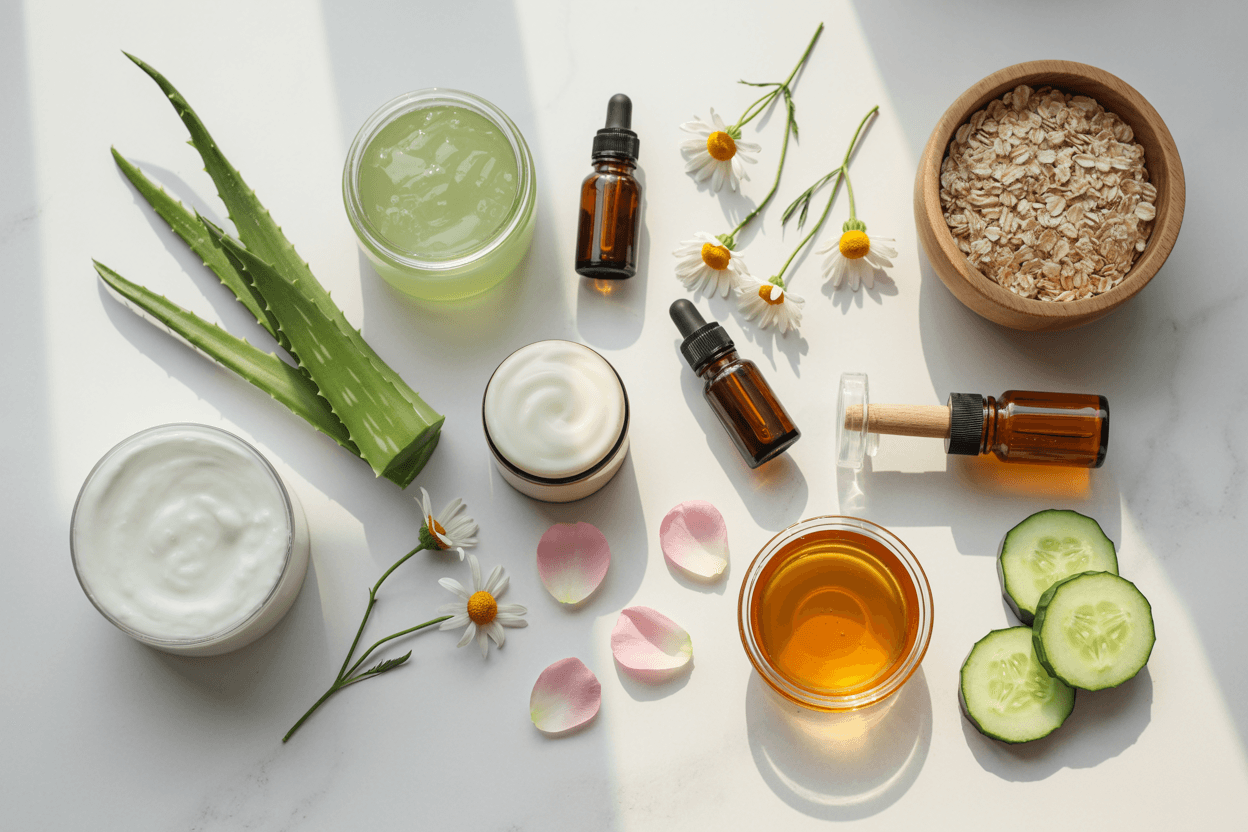
Finding the right natural skincare for sensitive skin becomes even more challenging when dealing with rosacea. This chronic inflammatory condition affects millions of people, causing persistent redness, visible blood vessels, and sometimes painful bumps that can seriously impact confidence and comfort.
The key to managing rosacea naturally lies in choosing products with anti-inflammatory ingredients that calm rather than irritate. Centella asiatica, also known as cica or tiger grass, stands out as one of the most effective natural treatments for rosacea. This powerhouse ingredient contains compounds called asiaticoside and madecassoside that actively reduce inflammation and strengthen the skin barrier. Look for serums or moisturizers containing 1-3% centella asiatica extract.
Green tea extract offers another proven solution for rosacea-prone skin. Rich in polyphenols and EGCG, green tea naturally constricts blood vessels and reduces the appearance of redness. Many people find success with gentle toners containing 2-5% green tea extract applied twice daily.
Azelaic acid, derived from grains like wheat and barley, provides gentle exfoliation while reducing inflammation. Unlike harsh chemical acids, azelaic acid works slowly and steadily to minimize rosacea symptoms without causing irritation. Start with concentrations around 10% and gradually increase if your skin tolerates it well.
When selecting products, avoid common rosacea triggers found even in natural formulations: essential oils (particularly peppermint, eucalyptus, and citrus), witch hazel, menthol, and high concentrations of vitamin C. Instead, focus on simple formulations with minimal ingredients.
Eczema solutions with colloidal oatmeal and ceramides
Eczema creates a unique challenge for those seeking gentle natural skin products because the compromised skin barrier allows irritants to penetrate more easily while losing moisture at an accelerated rate. The right natural approach can provide significant relief without the side effects of conventional treatments.
Colloidal oatmeal remains the gold standard for eczema relief in natural skincare. This finely ground oat powder contains compounds called avenanthramides that possess powerful anti-inflammatory and anti-itch properties. The FDA recognizes colloidal oatmeal as a safe and effective skin protectant. Products containing 1-2% colloidal oatmeal can provide immediate soothing relief during flare-ups.
Ceramides, though often synthetically produced for skincare, occur naturally in healthy skin and play a crucial role in maintaining the skin barrier. People with eczema typically have lower ceramide levels, making supplementation through skincare essential. Look for products containing ceramides 1, 3, and 6-II, which most closely mimic the skin’s natural composition.
Calendula extract offers gentle healing properties that work particularly well for eczema-prone skin. This flower extract contains anti-inflammatory compounds that help reduce redness and promote skin healing without causing sensitization. Calendula works especially well in cream or balm formulations.
Shea butter provides deep moisturization while delivering natural anti-inflammatory compounds. Raw, unprocessed shea butter contains cinnamic acid esters that help calm irritated skin. Unlike some heavy moisturizers, shea butter absorbs well without leaving a greasy residue.
For daily management, create a routine using fragrance-free, organic moisturizers for sensitive skin that combine these ingredients. Apply products to damp skin to lock in moisture more effectively.
Acne treatments using gentle salicylic acid alternatives
Traditional acne treatments often prove too harsh for sensitive skin, leading many to seek gentler natural alternatives that clear breakouts without causing irritation or dryness. Several natural ingredients provide effective acne-fighting properties while remaining compatible with sensitive complexions.
Willow bark extract serves as nature’s salicylic acid, containing natural BHA compounds that gently exfoliate pores without the intense drying effects of synthetic salicylic acid. This botanical extract works more slowly but causes significantly less irritation, making it ideal for sensitive skin prone to breakouts. Products containing 0.5-2% willow bark extract can be used daily.
Niacinamide, a form of vitamin B3, offers multiple benefits for acne-prone sensitive skin. This ingredient regulates oil production, reduces inflammation, and minimizes pore appearance without causing peeling or redness. Studies show that 2-5% niacinamide can be as effective as traditional acne treatments while being much gentler on sensitive skin.
Tea tree oil requires careful consideration for sensitive skin types. While effective against acne-causing bacteria, pure tea tree oil can cause irritation. Look for products with diluted concentrations (0.5-2%) or consider alternatives like manuka honey, which provides antimicrobial benefits with added healing properties.
Zinc oxide, commonly found in natural sunscreen sensitive skin formulations, also helps control acne by regulating oil production and providing anti-inflammatory benefits. Products combining zinc oxide with other gentle ingredients offer dual protection against breakouts and sun damage.
Clay masks using kaolin or bentonite clay can help absorb excess oil and unclog pores when used 1-2 times per week. Choose clays mixed with soothing ingredients like oatmeal or honey to prevent over-drying sensitive skin.
Building an Effective Natural Skincare Routine

Morning routine steps for protection and hydration
Starting your day with the right sensitive skin care routine sets the foundation for healthy, comfortable skin. Your morning routine should focus on gentle cleansing, hydration, and protection from environmental stressors.
Begin with lukewarm water to rinse your face, removing any overnight buildup without shocking your delicate skin. Follow with a gentle natural cleanser that won’t disrupt your skin barrier. Look for cream-based or oil cleansers containing chamomile, oat extract, or calendula – these natural ingredients for sensitive skin provide cleansing power without irritation.
After cleansing, apply a hydrating toner or essence made with rose water, aloe vera, or cucumber extract. These ingredients calm inflammation while preparing your skin for moisturizer. Pat the product gently into your skin rather than rubbing, which can cause micro-irritation.
Your organic moisturizer for sensitive skin should contain ceramides, hyaluronic acid, or squalane to lock in moisture throughout the day. These ingredients mimic your skin’s natural lipid barrier and provide long-lasting hydration without clogging pores.
The final step is natural sunscreen sensitive skin protection. Mineral sunscreens with zinc oxide or titanium dioxide offer broad-spectrum protection without chemical irritants. Apply generously and reapply every two hours for optimal protection.
Evening routine for repair and regeneration
Evening routines focus on removing the day’s buildup and supporting your skin’s natural repair processes. This is when your skin does its heaviest lifting in terms of cellular renewal and recovery.
Double cleansing works wonders for sensitive skin. Start with a gentle oil cleanser to remove sunscreen, makeup, and environmental pollutants. Follow with your regular gentle natural cleanser to ensure complete removal without over-stripping your skin.
After cleansing, consider using a natural skincare for sensitive skin serum containing ingredients like niacinamide, which reduces redness and strengthens your skin barrier. Vitamin E oil or rosehip seed oil also provide antioxidant protection and support overnight repair.
Apply your evening moisturizer while your skin is still slightly damp to seal in hydration. Evening formulas can be richer than morning products, containing ingredients like shea butter, jojoba oil, or ceramides that work overnight to restore your skin barrier.
Weekly treatments and gentle exfoliation options
Weekly treatments should enhance your daily routine without overwhelming sensitive skin. Gentle exfoliation removes dead skin cells that can clog pores and make your skin look dull, but frequency and method matter tremendously for sensitive skin types.
Chemical exfoliation often works better than physical scrubs for sensitive skin. Look for gentle fruit enzymes from pineapple, papaya, or pumpkin that naturally dissolve dead skin cells. Lactic acid, derived from fermented milk, provides the mildest form of AHA exfoliation.
Weekly masks can address specific concerns while pampering your skin. Clay masks containing kaolin or bentonite clay gently draw out impurities without over-drying. Honey masks provide antibacterial benefits while deeply moisturizing. Oatmeal masks soothe inflammation and gently exfoliate.
Face oils make excellent weekly treatments. Argan oil, marula oil, or evening primrose oil can be applied as overnight treatments once or twice weekly to boost hydration and provide essential fatty acids your skin needs for repair.
Patch testing and introducing new products safely
Sensitive skin care tips always emphasize the importance of patch testing before incorporating new gentle natural skin products into your routine. Your skin’s sensitivity can change based on hormones, stress, weather, or other factors, making patch testing essential even with products you’ve used before.
Perform patch tests on a small area of your inner forearm or behind your ear. Apply a small amount of the product and wait 24-48 hours to observe any reactions. Look for redness, itching, burning, or bumps that indicate your skin doesn’t tolerate the product well.
When introducing new products, add only one item at a time to your routine. Wait at least one to two weeks before adding another new product. This methodical approach helps you identify which specific ingredients or products cause reactions.
Start with the lowest recommended frequency when trying new treatments. If a product suggests daily use, begin with every other day or twice weekly. You can gradually increase frequency as your skin builds tolerance.
Keep a skincare journal noting which products you use, when you introduce them, and any skin reactions. This record becomes invaluable for identifying patterns and ingredients that work well or cause problems for your specific skin needs.

Natural skincare offers the perfect solution for sensitive skin types who want effective results without harsh reactions. The gentlest ingredients like chamomile, aloe vera, and oat extract can transform your daily routine while protecting your skin’s natural barrier. When you choose the right natural cleansers, moisturizers, and sun protection products, you’re giving your skin exactly what it needs to heal and thrive.
Start building your natural skincare routine slowly by introducing one new product at a time. This approach helps you identify what works best for your unique skin needs while avoiding potential irritation. Remember that consistency matters more than expensive products – simple, natural ingredients often deliver the most impressive results for sensitive skin. Your skin deserves gentle care that works with its natural processes, not against them.
✨ My top skincare products for 2025✨
FAQ Questions and Responses
What natural products are good for sensitive skin?
The best natural products for sensitive skin focus on soothing, anti-inflammatory compounds and barrier repair. Look for gentle, plant-based ingredients like Chamomile and Calendula to calm redness, Aloe Vera for instant relief, and barrier-strengthening Jojoba oil and Squalane to provide lasting hydration without irritation. These gentle natural skin products are less likely to contain the harsh sulfates or synthetic fragrances found in conventional options.
How to take care of sensitive skin naturally?
To take care of sensitive skin naturally, you should build a simple sensitive skin care routine around hypoallergenic natural skincare formulations. This involves using gentle natural cleansers (like oil or cream-based) that won’t strip your skin, following up with organic moisturizers for sensitive skin featuring ceramides or natural lipids, and always protecting with natural sunscreen sensitive skin options that use physical blockers like zinc oxide. A minimalist approach is always best to reduce exposure to potential irritants.
Which skincare brand is best for sensitive skin?
Finding the best natural skin care products for sensitive skin depends more on ingredient transparency than on a single brand name. The most effective brands prioritize clean, minimal formulations, avoiding common irritants like harsh alcohols, parabens, and strong fragrances. Seek out brands specializing in plant-based, natural skincare for sensitive skin that highlight key soothing ingredients like colloidal oatmeal, cica, and non-nano zinc oxide in their ingredient lists.