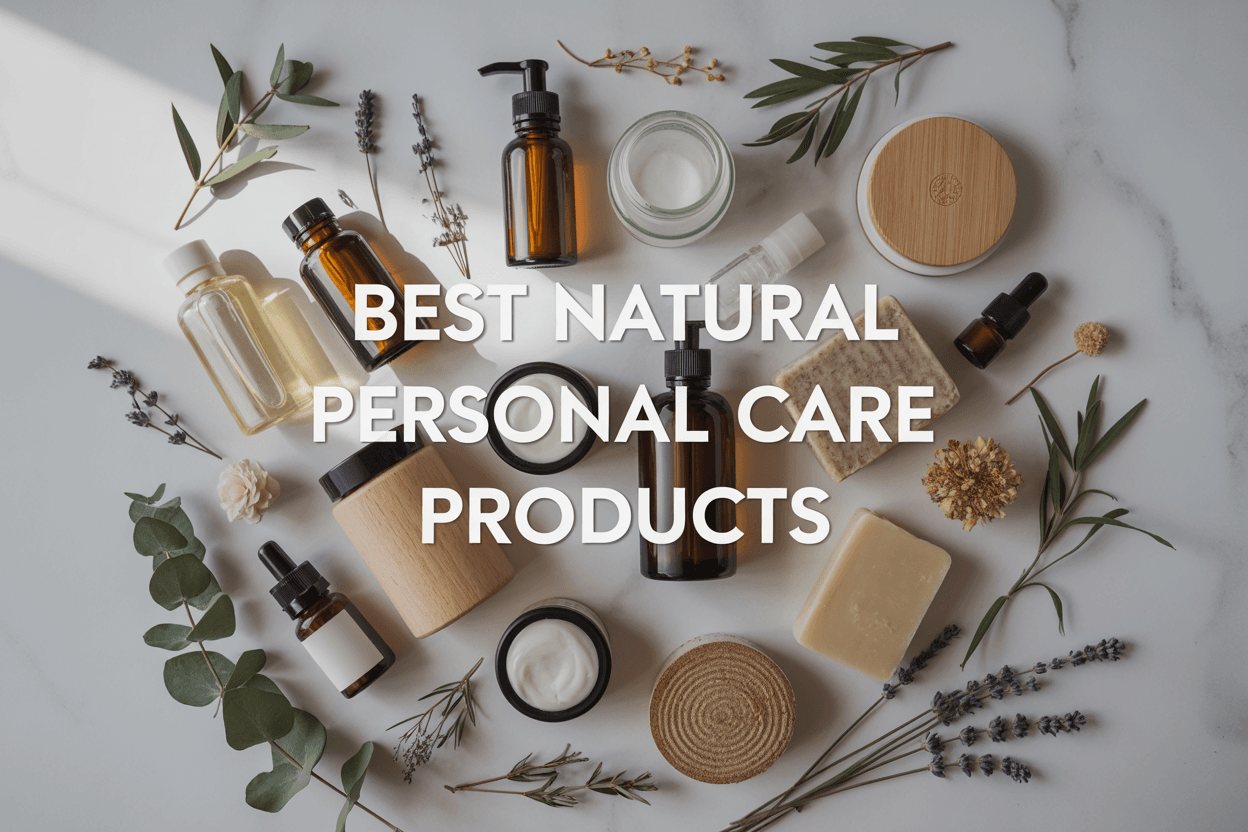
I’ve been on a journey to clean up my skincare routine, and finding the best natural personal care products has completely transformed my daily regimen. If you’re someone who wants to ditch harsh chemicals and embrace gentler alternatives that actually work, you’re in the right place.
I’ve spent countless hours researching and testing products to help you navigate this sometimes overwhelming world of natural beauty. My skin has never looked better since making the switch, and I want to share what I’ve learned with you.
In this guide, I’ll walk you through understanding USDA certified organic skincare benefits and why these certifications matter for your skin’s health. I’ll also break down the key categories of natural personal care products so you know exactly what to look for when shopping. Finally, I’ll share the essential natural ingredients that have made the biggest difference in my routine and how to choose products that target your specific skin concerns.
Key Categories of Natural Personal Care Products

Cleansers and Facial Mists for Daily Purification
When I explore natural personal care options, I find that cleansers form the foundation of any effective skincare routine. Based on my research, cleansers should work to make products sudsy without containing harmful ingredients like Sodium Laureth Sulfate (SLS), which can cause skin and eye irritation and is frequently contaminated with known carcinogens. Natural cleansers focus on gentle purification using plant-based surfactants that remove impurities without stripping the skin’s natural protective barrier.
I’ve learned that effective natural cleansers avoid Diethanolamine (DEA), commonly used in conventional products to create suds. Instead, they rely on natural ingredients that provide thorough cleansing while maintaining skin health. The key is finding products that purify daily without causing irritation or disrupting the skin’s pH balance.
Anti-Aging Serums and Treatment Products
In my experience with natural personal care, anti-aging serums represent some of the most potent treatment products available. I recommend looking for serums containing high concentrations of antioxidants, particularly Vitamin C serums that are designed to brighten and even out skin tone. These serums work by delivering concentrated active ingredients directly to the skin.
Natural anti-aging treatments should avoid synthetic preservatives like BHA (Butylated Hydroxyanisole) and BHT (Butylated Hydroxytoluene), which are commonly found in conventional moisturizers and cosmetics. Instead, I suggest seeking products that use natural alternatives like bakuchiol, rosehip oil, and green tea, which nourish and protect skin while addressing aging concerns naturally.
Moisturizers and Eye Care Solutions
When I evaluate moisturizers in the natural personal care category, I focus on products that avoid problematic ingredients like Petrolatum (mineral oil jelly), which is often contaminated by cancer-causing impurities despite its moisture-locking properties. Natural moisturizers should also be free from PEG compounds (Polyethylene glycols) used as thickeners in cream-based cosmetics, as these synthetic chemicals may be contaminated with probable carcinogens.
For eye care, I’ve found that natural solutions like Coffee Bean Caffeine Eye Cream offer targeted benefits. This type of product uses caffeine from coffee beans to reduce puffiness and dark circles around the eyes. Eye care products should avoid Siloxanes, which are silicone-based compounds that can interfere with hormone function, despite being used to soften and smooth skin.
Body Care and Specialty Products
My approach to natural body care emphasizes avoiding ingredients commonly found in conventional products that pose health risks. Body care products should be free from Triclosan, an antibacterial agent banned by the FDA from antibacterial soaps in 2016 but still found in deodorants, lotions, and shampoos. This ingredient has been linked to hormone disruption and bacteria-resistant superbugs.
I also recommend avoiding products containing “Parfum” or “fragrance” listings, as the FDA classifies these as trade secrets, meaning specific ingredients don’t need disclosure. Natural body care products should use essential oils or botanical extracts for scent. Additionally, specialty products like hair care should incorporate nourishing ingredients like rosemary, honey, and mint to strengthen and care for hair naturally without synthetic additives.

Essential Natural Ingredients to Look For
Noni Extract for Nourishment and Replenishment
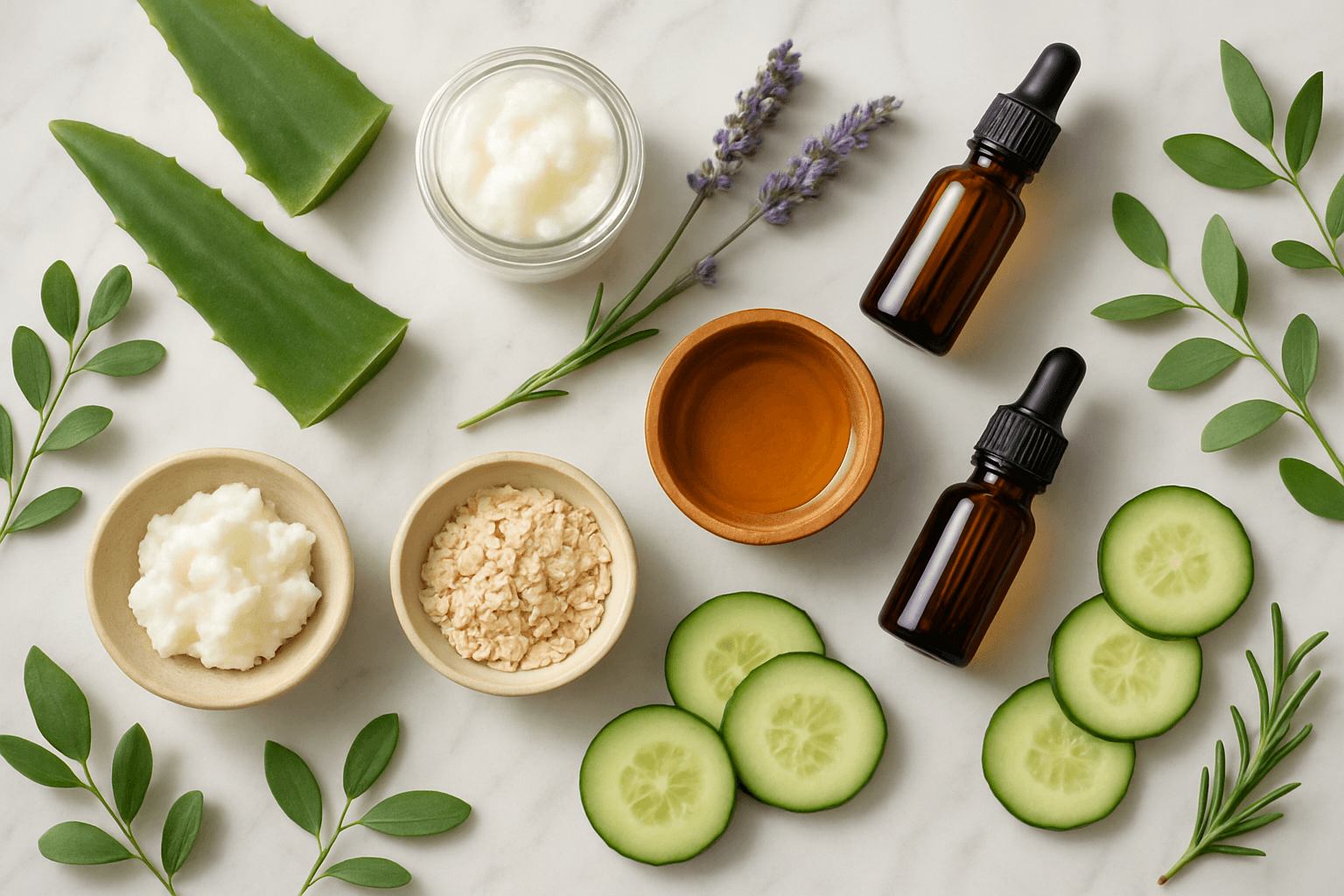
I find noni extract to be one of the most underrated natural ingredients in personal care products. This tropical fruit extract brings exceptional nourishing properties to skincare formulations, making it an excellent choice for those seeking deep replenishment. When I recommend natural personal care products, I often highlight noni extract’s unique ability to deliver essential nutrients directly to the skin while supporting overall skin health and vitality.
Turmeric for Natural Glow and Even Skin Tone
Now that we’ve covered nourishing extracts, I want to emphasize turmeric’s remarkable brightening capabilities. This golden spice has earned its place among the best natural ingredients for achieving radiant skin. I’ve observed that turmeric’s anti-inflammatory properties make it particularly effective for reducing redness and promoting an even complexion. The natural compounds in turmeric work to inhibit melanin production, which helps prevent dark spots and supports a more uniform skin tone. For those incorporating natural personal care into their routines, turmeric-based products offer gentle yet effective brightening benefits without harsh chemicals.
Mushroom Extracts for Hydration and Plumping
Previously, I’ve discussed various hydrating ingredients, but mushroom extracts deserve special recognition for their exceptional moisture-binding abilities. These fungi-derived compounds excel at attracting and retaining water in the skin, creating that coveted plumping effect. I particularly appreciate how mushroom extracts can hold significant amounts of moisture, similar to other powerful humectants. The polysaccharides found in mushroom extracts work to strengthen the skin barrier while providing long-lasting hydration, making them invaluable additions to natural personal care formulations.
Kakadu Plum for Brightening and Protection
With this in mind, I must highlight Kakadu plum as nature’s vitamin C powerhouse. This Australian superfruit contains extraordinarily high concentrations of vitamin C – significantly more than traditional citrus sources. I recommend seeking out natural personal care products featuring Kakadu plum for its dual action of brightening and protecting the skin. The potent antioxidant properties help shield skin from environmental aggressors while promoting collagen synthesis for improved texture and resilience. The vitamin C content in Kakadu plum works to brighten skin tone by interfering with melanin production, making it an excellent natural alternative to synthetic brightening agents.
Choosing Products for Different Skin Concerns
Solutions for Aging Protection and Fine Lines
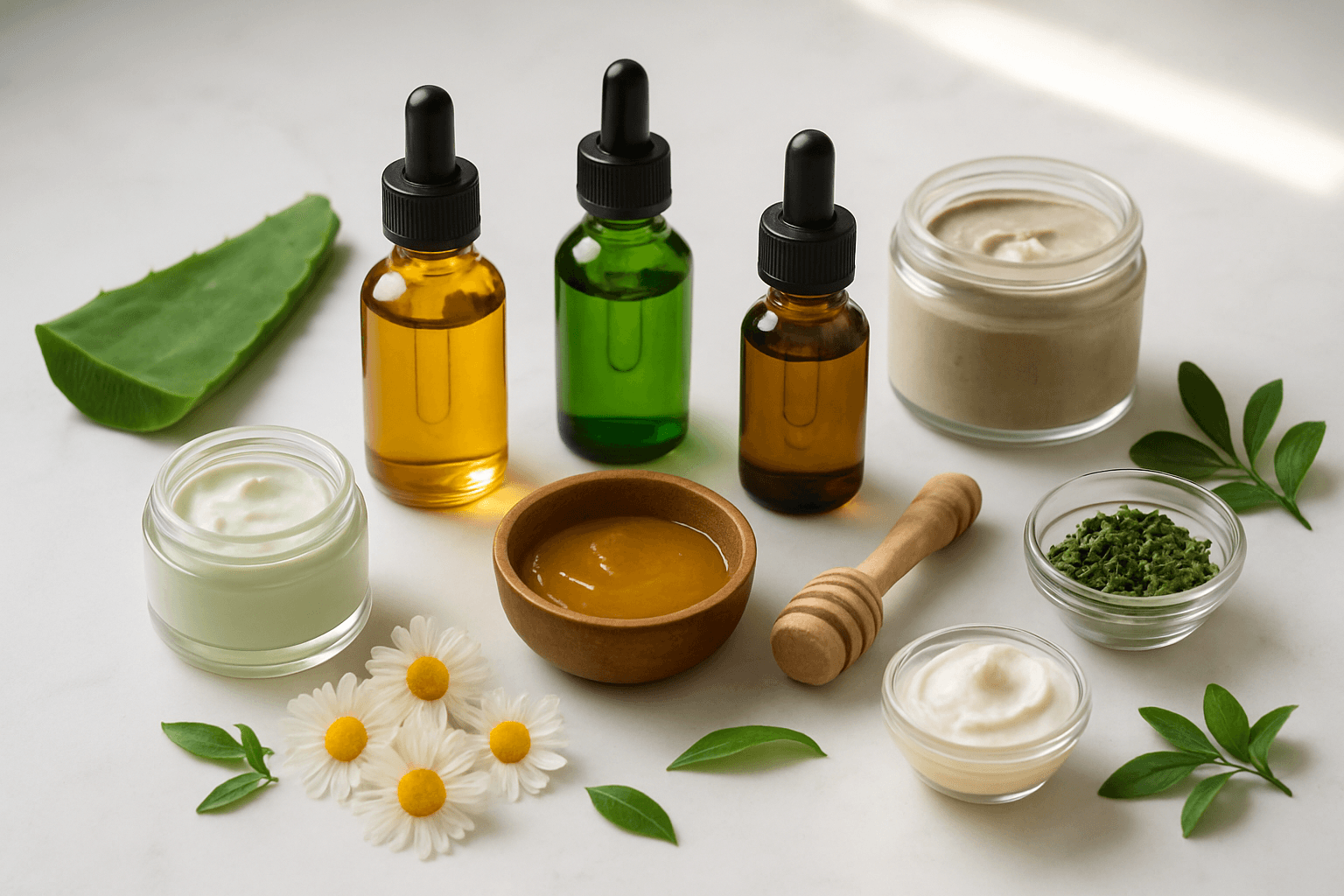
When it comes to addressing signs of aging, I’ve found that certain natural ingredients stand out for their proven effectiveness. Retinol remains one of my top recommendations for aging skin, as it naturally stimulates cell turnover and reduces the appearance of wrinkles and fine lines. What I particularly appreciate about retinol is its preventative qualities – starting early can help maintain youthful skin longer.
For those seeking natural alternatives, I recommend looking for products containing sea buckthorn oil and vitamin E. These ingredients work synergistically to improve skin elasticity and combat environmental damage. Coffee oil has also caught my attention for its antioxidant properties, while pomegranate extract provides additional protection against free radicals.
I’ve consistently seen excellent results with hyaluronic acid for aging skin, as it helps maintain moisture levels while plumping the skin to diminish fine lines. Lactic acid serves as a gentler exfoliating option that promotes skin renewal without irritation. Green tea extract rounds out my recommendations for aging skin, offering powerful antioxidants that protect against further damage while supporting overall skin health.
Products for Oily Skin and Large Pores
Managing oily skin requires a targeted approach that I’ve refined through understanding excess sebum production. For those dealing with enlarged pores and shiny complexion, I recommend incorporating salicylic acid or beta hydroxy acid into your natural personal care routine. These ingredients effectively exfoliate the skin, unclog pores, and regulate oil production.
Despite common misconceptions, I emphasize that moisturizing remains crucial for oily skin. The right moisturizer actually signals to your skin that it’s producing enough oil, which can help control excess production. I particularly recommend grapeseed oil, rose hip oil, and jojoba oil as natural alternatives that provide hydration without heaviness.
For more intensive treatment, I’ve found benzoyl peroxide effective for killing acne-causing bacteria, while dead sea mud and activated charcoal help draw impurities from pores. Apple cider vinegar and witch hazel serve as natural astringents that can help control oil production. Tea tree oil deserves special mention for its antimicrobial properties, making it excellent for preventing breakouts while managing oily skin conditions.
Treatments for Sensitivity and Redness
Sensitive skin requires my most careful consideration, as one wrong ingredient can trigger irritation or inflammation. I’ve found that gentle, soothing ingredients work best for those prone to redness and reactions. Colloidal oatmeal stands out as my top recommendation – it’s naturally moisturizing and soothing without causing allergic reactions.
When selecting natural personal care products for sensitive skin, I look for formulations containing aloe vera and chamomile, both known for their anti-inflammatory properties. Shea butter provides gentle moisture without irritation, while squalane offers lightweight hydration that sensitive skin typically tolerates well.
For those with sensitive skin, I also recommend argan oil and olive oil as natural moisturizing options. Seaweed extracts can provide additional soothing benefits. I always advise looking for products labeled as hypoallergenic, fragrance-free, and non-comedogenic to protect against potential irritation and inflammation. Lactic acid serves as the gentlest exfoliating option when chemical exfoliation is needed, as it removes dead skin cells without causing the irritation that stronger acids might trigger.
Options for Dryness and Uneven Skin Texture
Dry skin presents unique challenges that I address through intensive hydration and barrier repair strategies. For those experiencing tightness, flakiness, and rough texture, I recommend natural ingredients that provide deep moisturization and improve skin elasticity.
Argan oil, shea butter, and olive oil form my core recommendations for dry skin, with shea butter being particularly excellent for intense hydration. These natural personal care ingredients help restore the skin barrier while providing essential moisture. Hyaluronic acid deserves special attention for its ability to attract and retain moisture, making it invaluable for addressing dryness.
I’ve found glycerin and honey to be excellent humectants that draw moisture to the skin, while sea buckthorn oil provides additional nourishment and healing properties. For improving uneven texture, I recommend alpha hydroxy acids and lactic acid, which gently exfoliate dead skin cells and promote smoother skin texture.
Aloe vera and squalane complete my recommendations for dry skin, offering soothing hydration that helps repair and maintain healthy skin texture. These ingredients work together to strengthen the skin barrier, improve moisture retention, and create a smoother, more radiant complexion over time.
What Makes Award-Winning Natural Skincare Brands Stand Out
First-Generation Organic Beauty Companies and Their Expertise
When I examine the landscape of natural personal care, I’m consistently impressed by the pioneering companies that have been leading the organic beauty movement for decades. OSEA stands out as a remarkable example, having been founded 29 years ago with an unwavering commitment to safe skincare that’s healthy for both our bodies and the earth. Their extensive experience in formulating seaweed-infused products demonstrates the kind of deep expertise that only comes from decades of dedicated research and development.
I’ve noticed that companies like Annmarie Skin Care exemplify the expertise that first-generation organic beauty brands bring to the market. Founded by Annmarie and Kevin Gianni, this brand has been focused on conscious and nontoxic formulas that truly work since day one. What sets them apart is their proprietary three-step process: they hand-select organic and wildcrafted herbs and plant extracts for quality and efficacy, infuse them into aloe vera and oils at low heat, and combine them with skin-enriching oils and plant stem cells. This level of sophisticated formulation shows the technical mastery these established companies have developed over time.
The expertise of these first-generation brands is further validated by their certifications. For instance, Annmarie Skin Care products are MADE SAFE certified, meaning they’re completely free from over 5,000 toxic chemicals including carcinogens, endocrine disruptors, and heavy metals. This certification requires extensive testing and compliance that newer brands often haven’t achieved.
Customer Testimonials and Real Results from Natural Products
The real proof of natural personal care effectiveness lies in the authentic experiences customers share. I find these testimonials particularly compelling because they demonstrate tangible results that users achieve with natural formulations.
One customer’s experience with Ursa Major’s Golden Hour Recovery Cream perfectly illustrates this: “After 1 day of using it I noticed improvements in the way my skin feels. After a few days, I noticed my irritated skin was calmed. I am now on my second jar of Golden Hour, and I am sticking with it!! It feels light and fresh but is so nourishing.” This testimonial shows both immediate and long-term benefits, which is exactly what I look for in natural skincare.
The testimonials for Herbivore Botanicals are particularly striking. One customer described their Lapis Face Oil as “liquid gold,” explaining: “In the past 10 years since I first tried it, I’ve never found any other product that does as much for my skin as this oil does. This oil obliterates my acne almost overnight — I also have extremely sensitive skin that overproduces oil/sebum to the point that it results in face dandruff, but this balances it out making my skin look so dewy and healthy when NOTHING else works, not even prescription medicine.”
I’m also impressed by testimonials that highlight the gentle effectiveness of natural products. An Annmarie Skin Care customer noted: “I love this cream! It gives my skin a nice glow and makes lines less noticeable. It also seems to be slowly working on small bumps that I think are milia. They are getting smaller, and I haven’t done anything else different!” These results demonstrate that natural ingredients can address complex skin concerns effectively.
Science-Backed Formulations Using Nature’s Best Ingredients
What truly sets award-winning natural skincare brands apart is their commitment to combining traditional botanical wisdom with modern scientific research. I’ve observed that the most successful natural personal care brands don’t just rely on the inherent benefits of natural ingredients—they employ sophisticated formulation techniques to maximize their effectiveness.
True Botanicals exemplifies this approach by using nature’s most restorative ingredients like chebula, an ayurvedic fruit, and algae extract in scientifically formulated concentrations. Their products are both MADE SAFE certified and use only organic and wildcrafted ingredients, demonstrating how brands can maintain natural purity while employing advanced formulation science.
The scientific approach is evident in ingredient selection as well. I appreciate how brands like Herbivore Botanicals carefully choose ingredients like olive-derived squalane, aromatic jasmine oil, and blue tansy for their Lapis Face Oil, combining these based on their complementary properties and proven benefits.
Even more accessible brands like Acure Organics demonstrate scientific thinking in their formulations. They focus on plant-based ingredients while ensuring their products are sulfate-free, paraben-free, petrolatum-free, silicone-free, and cruelty-free—choices that reflect an understanding of how different ingredients interact with skin health.
The most impressive aspect of these science-backed formulations is how brands like Annmarie Skin Care use herb-infused aloe vera and oils as their base instead of water, ensuring every drop is packed with purpose for results you can feel. This approach shows how natural brands are innovating beyond traditional cosmetic formulation methods to create more effective products.
After exploring the world of natural personal care, I’ve learned that choosing USDA certified organic products truly makes a difference for both my skin and overall health. The key is understanding what ingredients work best for my specific skin concerns and selecting products from award-winning brands that prioritize both safety and effectiveness. Whether I’m dealing with dryness, aging protection, or sensitivity, natural ingredients like noni, turmeric, and kakadu plum offer gentle yet powerful solutions that my skin can actually understand and benefit from.
My journey toward cleaner beauty has shown me that when I invest in certified organic skincare, I’m not just treating my skin – I’m nourishing it with ingredients I’d feel comfortable eating. The testimonials from real users and the philosophy that “if you wouldn’t eat it, why wear it?” really resonates with me. I encourage you to start with one or two key products that address your primary skin concerns, and remember that with quality natural ingredients, a little truly goes a long way toward achieving that naturally glowing, healthy skin we all desire.
My Science-Based Skincare Routine (easy & affordable)
FAQ Questions and Responses
What is natural personal care?
Natural personal care refers to products designed for daily regimen use, such as cleansers, serums, and moisturizers, that rely on plant-based and botanical ingredients instead of harsh chemicals like SLS, synthetic preservatives, or parabens. Our goal is to ditch harsh chemicals and embrace gentler, effective alternatives that support the skin’s natural protective barrier while nourishing it with powerful components like noni extract and turmeric.
What is natural body care?
Natural body care focuses on products for the body (lotions, washes, deodorants) that are intentionally formulated without problematic additives like Triclosan and undisclosed “fragrance” components. We recommend natural body care that utilizes essential oils for scent and incorporates ingredients like shea butter and rosemary to provide deep hydration and care without the synthetic additives often found in conventional specialty products.
What is the 4 2 4 rule in skincare?
The 4-2-4 rule is a popular cleansing method that involves massaging a facial oil onto your skin for 4 minutes, followed by a gentle foam or cream cleanser for 2 minutes, and then rinsing for 4 minutes (2 minutes with warm water, 2 minutes with cold water). This technique emphasizes thorough, gentle cleansing—a perfect fit for using the natural cleansers we discuss, which focus on gentle purification using plant-based ingredients to remove impurities without stripping the skin.