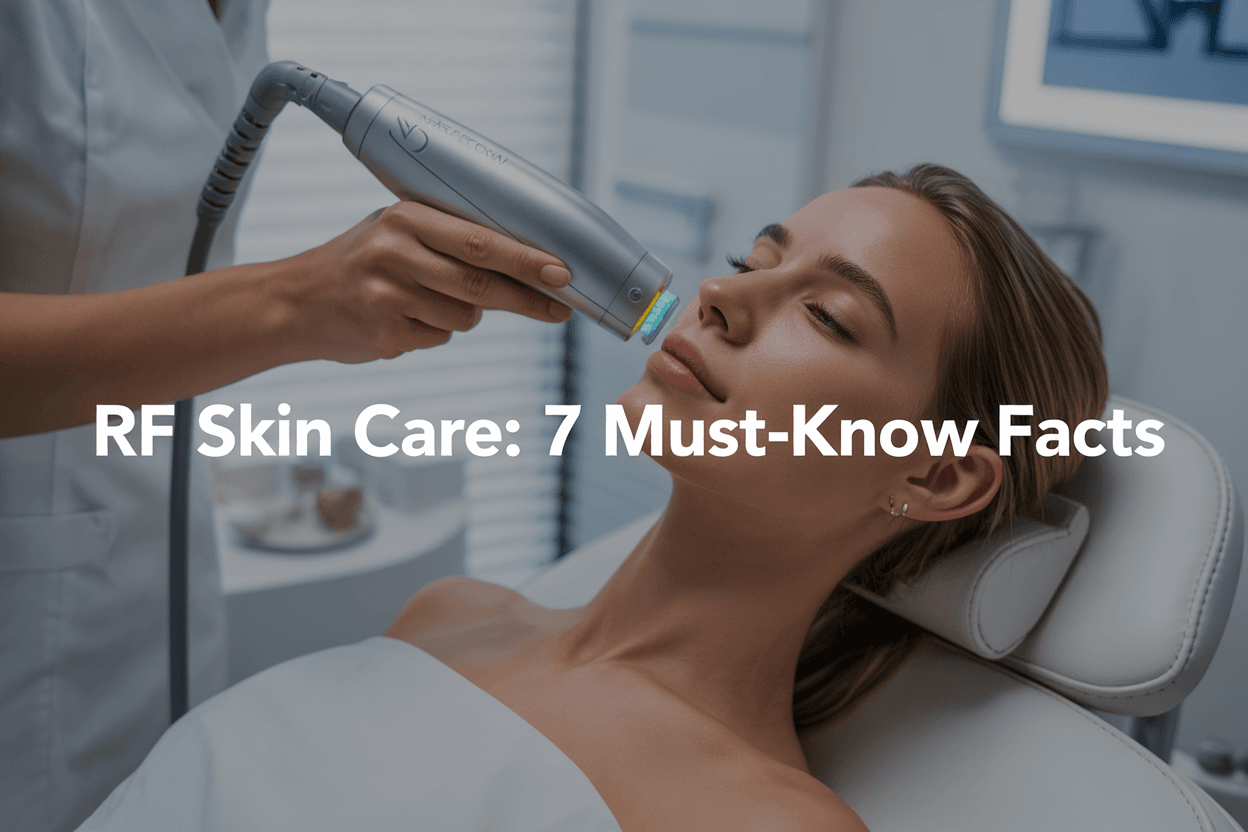
Radio frequency skin care has become one of the hottest non-invasive beauty treatments, but many people jump in without understanding what they’re actually signing up for. If you’re curious about RF skin treatment but want the real facts before booking your first appointment, you’ve come to the right place.
This guide is for anyone considering radio frequency facial treatments – from skincare beginners exploring their first anti-aging option to beauty enthusiasts comparing RF skin tightening with other procedures. We’ll cut through the marketing hype and give you the straight truth about what RF treatment side effects you might face, how much radio frequency skincare cost really adds up, and whether the radio frequency skin benefits are worth your time and money.
You’ll discover exactly how RF skin therapy works on a cellular level, get realistic expectations for your recovery timeline, and learn who should skip these treatments altogether. By the end, you’ll know if radio frequency anti aging is the right choice for your skin goals and budget.
How Radio Frequency Technology Actually Works on Your Skin
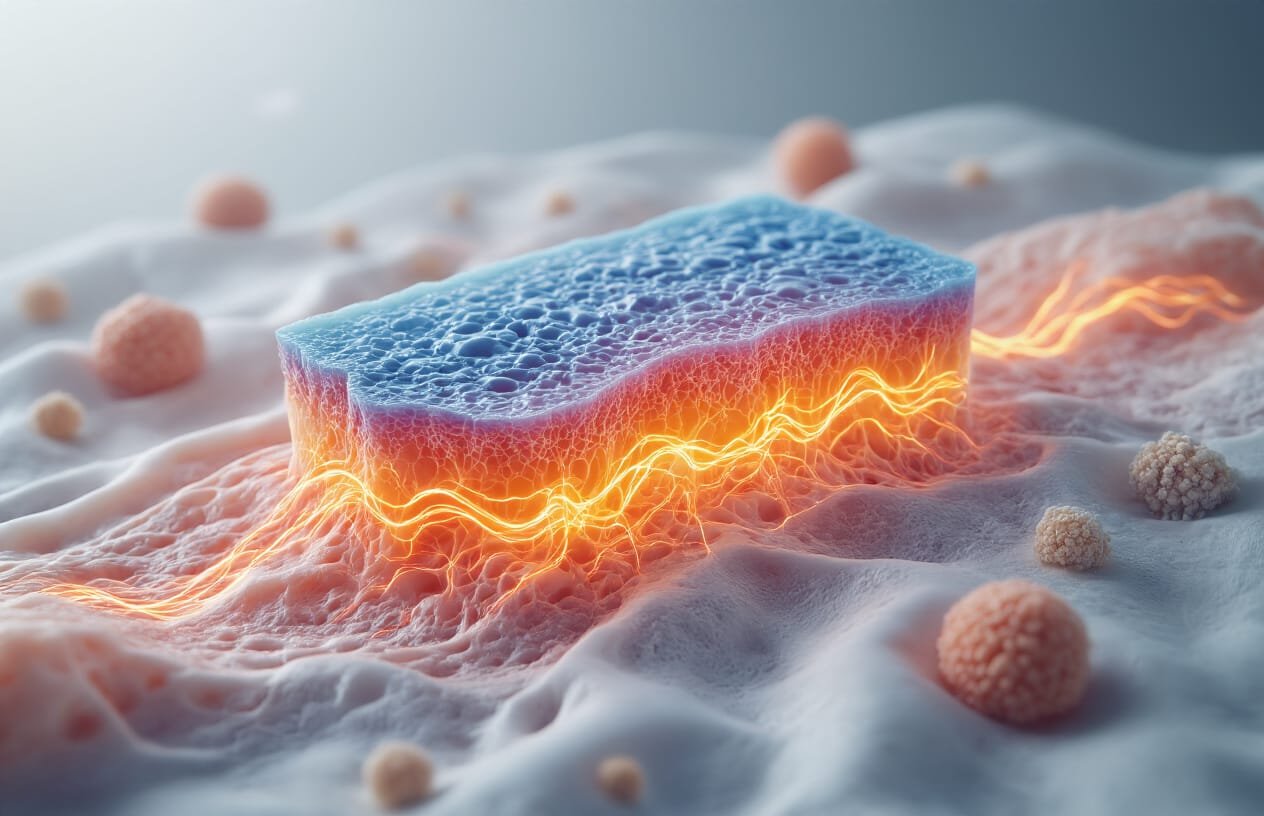
The science behind RF energy penetration into skin layers
Radio frequency skin care works by delivering electromagnetic energy that penetrates deep into your skin’s structure. When RF energy enters your skin, it travels through multiple layers – starting from the epidermis and reaching down into the dermis and subcutaneous tissue. The depth of penetration depends on the frequency used, with lower frequencies going deeper than higher ones.
Your skin naturally conducts this electromagnetic energy because it contains water and electrolytes. As the RF waves move through your tissue, they create molecular friction at a cellular level. This friction generates heat in targeted areas, typically raising the temperature to around 40-45°C (104-113°F). The beauty of RF skin treatment lies in this controlled heating process – it’s hot enough to trigger beneficial cellular responses but not so intense that it damages surrounding tissue.
The epidermis stays relatively cool during RF facial treatment because the energy bypasses this outer layer and concentrates its effects in the deeper dermal layers where collagen lives. This selective heating means you can achieve significant skin improvements without the extended downtime associated with more aggressive procedures.
How controlled heat stimulates collagen production
The controlled heat generated by radio frequency skin tightening creates what dermatologists call “thermal injury zones” in your dermis. Don’t worry – this sounds scarier than it actually is. These zones are microscopic areas where the heat triggers your body’s natural healing response, kickstarting a cascade of beneficial processes.
When your skin reaches that optimal temperature range, several things happen simultaneously. First, existing collagen fibers contract immediately, giving you an instant tightening effect that you might notice right after your session. More importantly, the heat activates fibroblasts – the cells responsible for producing new collagen and elastin.
Your body interprets this controlled heating as a signal to repair and regenerate. Fibroblasts ramp up production of fresh collagen over the following weeks and months. This new collagen is typically stronger and more organized than the older collagen it replaces, leading to firmer, smoother skin texture.
The heat also improves blood circulation in the treated area, bringing more oxygen and nutrients to your skin cells. This enhanced circulation supports the healing process and helps maintain the results of your RF skin therapy over time.
The difference between monopolar and bipolar RF devices
Understanding the difference between monopolar and bipolar RF devices helps you make informed decisions about radio frequency anti aging treatments. These two technologies deliver energy differently and produce varying results.
Monopolar RF devices use a single electrode that delivers energy deep into your skin. The energy travels from this electrode through your tissue to a ground pad placed elsewhere on your body. This setup allows monopolar devices to penetrate deeper – sometimes reaching the subcutaneous fat layer. The deeper penetration makes monopolar systems particularly effective for significant skin tightening and body contouring.
| Feature | Monopolar RF | Bipolar RF |
|---|---|---|
| Electrode setup | Single electrode + ground pad | Two electrodes working together |
| Penetration depth | Deeper (subcutaneous layer) | Moderate (upper to mid dermis) |
| Heat distribution | More intense, deeper heating | Controlled, surface heating |
| Best for | Body treatments, significant tightening | Facial treatments, fine lines |
| Comfort level | May require cooling | Generally more comfortable |
Bipolar RF devices feature two electrodes that work together, creating an energy field between them. The RF energy travels from one electrode to the other through your skin, creating a more controlled and predictable heating pattern. This configuration typically doesn’t penetrate as deeply as monopolar devices but offers more precise control over the treatment area.
Bipolar systems are often preferred for facial treatments because they provide gentler heating with less risk of over-treatment. Many practitioners find bipolar RF easier to control, making it a popular choice for treating delicate areas around the eyes and mouth where precision matters most.
Proven Benefits You Can Expect from RF Skin Treatments

Visible Skin Tightening and Firming Results
Radio frequency skin tightening delivers some of the most impressive cosmetic results you can achieve without surgery. The controlled heat energy penetrates deep into your skin’s dermal layers, triggering your body’s natural collagen production process. This boost in collagen synthesis creates a scaffolding effect that literally lifts and firms sagging skin areas.
Most people notice initial tightening effects immediately after their first RF treatment session. Your skin feels noticeably firmer, and you might see a subtle lifting effect around the jawline, cheeks, and forehead. The real magic happens over the following weeks as new collagen continues forming beneath the surface.
Clinical studies show RF skin treatment can improve skin laxity by up to 30-40% after a complete treatment series. Areas that respond particularly well include:
- Loose skin around the jawline and neck
- Sagging cheeks and mid-face area
- Droopy eyelids and brow area
- Arms and abdomen for body treatments
The tightening effects continue improving for 3-6 months post-treatment as your collagen remodeling process reaches its peak.
Reduction in Fine Lines and Wrinkles
RF facial treatment targets both superficial and deeper wrinkles through its unique heating mechanism. The radiofrequency energy stimulates cellular renewal while encouraging the formation of fresh collagen fibers that fill in wrinkle depressions from within.
Fine lines around your eyes, mouth, and forehead respond exceptionally well to radio frequency anti aging treatments. The heat energy essentially “irons out” these surface imperfections while building structural support underneath. Many patients report smoother skin texture after just 2-3 sessions.
Dynamic wrinkles caused by muscle movement also improve significantly. While RF treatments don’t paralyze muscles like injectables, they strengthen the surrounding skin structure so wrinkles appear less pronounced during facial expressions.
Improved Skin Texture and Tone
Beyond wrinkle reduction, radio frequency skin benefits extend to overall skin quality improvements. The thermal energy promotes faster cell turnover, revealing fresher, more radiant skin layers underneath damaged surface cells.
RF treatments help minimize:
- Large pores and uneven skin texture
- Age spots and mild hyperpigmentation
- Dull, lackluster complexion
- Minor acne scarring
- Rough or bumpy skin areas
The treatment also boosts blood circulation in treated areas, delivering more nutrients and oxygen to skin cells. This enhanced circulation creates that healthy, glowing appearance many people seek from their skincare routines.
Enhanced Facial Contouring Effects
Radio frequency skincare excels at reshaping facial contours without invasive procedures. The skin tightening effects create natural-looking definition along your jawline, cheekbones, and other facial features.
RF skin therapy particularly benefits people experiencing volume loss and sagging in the mid-face region. The treatment can restore some of that youthful facial architecture by tightening loose skin and encouraging collagen production in strategic areas. Many patients achieve a more sculpted, defined appearance that takes years off their overall look.
Who Should Consider RF Treatments and Who Should Avoid Them

Ideal candidates for radio frequency therapy
Radio frequency skin care works best for people dealing with mild to moderate skin laxity who want noticeable improvements without surgical procedures. Perfect candidates include those experiencing early signs of aging like fine lines, sagging skin around the jawline, or loose skin on the neck and body areas.
People seeking RF skin treatment typically have realistic expectations about gradual improvements rather than dramatic overnight changes. The technology excels for individuals who want to maintain their current appearance while preventing future aging, making it popular among proactive skincare enthusiasts.
Those with good overall health and no serious medical conditions make excellent candidates for RF facial treatment. Your skin should be free from active infections, severe acne, or open wounds in treatment areas. People who can commit to multiple sessions and proper aftercare routines see the most impressive results from radio frequency anti aging treatments.
Age groups that benefit most from RF treatments
Adults in their late twenties through early sixties experience the most dramatic results from RF skin tightening procedures. The sweet spot typically falls between ages 30-50, when collagen production begins declining but skin still maintains some natural elasticity.
Younger patients in their twenties often use RF treatment side effects as preventive measures, though results may be subtle since their skin naturally produces abundant collagen. Older adults over 65 can still benefit, but may need more sessions and might see slower improvements due to decreased skin elasticity and collagen reserves.
| Age Group | Expected Results | Session Frequency |
|---|---|---|
| 25-35 years | Preventive maintenance | 3-4 sessions |
| 35-50 years | Moderate tightening | 4-6 sessions |
| 50+ years | Gradual improvement | 6-8 sessions |
Medical conditions that make RF unsuitable
Several health conditions make radio frequency skincare cost a poor investment due to safety concerns. Pregnancy and breastfeeding top the list of absolute contraindications, as the effects of RF energy on developing babies remain unknown.
People with pacemakers or other electronic medical devices should avoid RF skin therapy entirely. The electromagnetic energy can interfere with device function, creating potentially dangerous situations. Active cancer patients, especially those undergoing treatment, need medical clearance before considering any RF procedures.
Autoimmune disorders like lupus or severe diabetes may complicate healing after RF facial treatment. Blood clotting disorders, active infections, or recent surgical procedures in treatment areas also disqualify candidates temporarily.
Skin types that respond best to RF technology
All skin tones can safely receive radio frequency skin benefits, making it more inclusive than laser treatments that sometimes cause pigmentation issues in darker skin. However, certain skin characteristics predict better outcomes.
Skin with mild to moderate thickness responds most favorably to RF treatment. Very thin or extremely thick skin may require adjusted settings or alternative approaches. People with naturally good healing abilities and adequate hydration levels typically see faster, more consistent results.
Those with combination or normal skin types often experience smoother treatment sessions compared to very oily or extremely dry skin. Recent sun damage or chemical peels can temporarily affect RF effectiveness, so timing treatments appropriately maximizes radio frequency skin care benefits.
What to Realistically Expect During Your RF Treatment Session
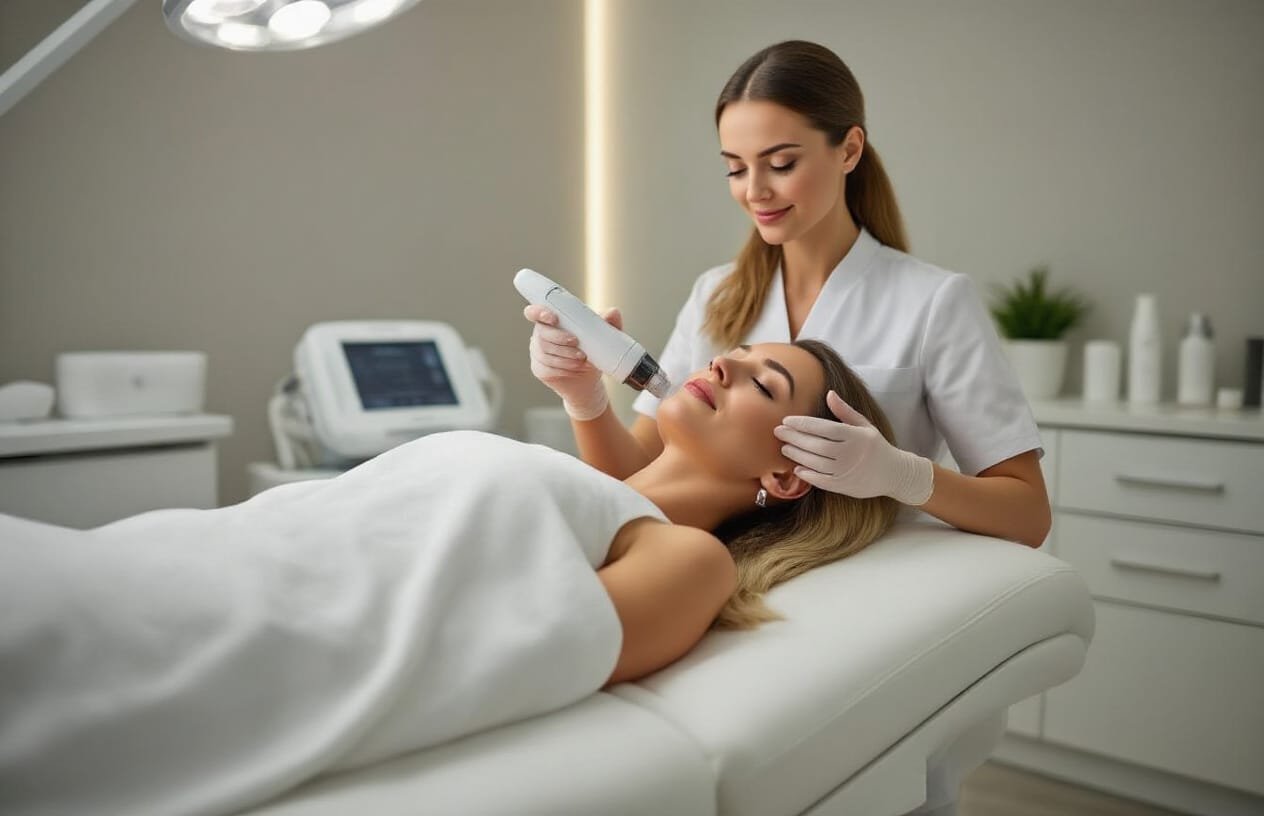
Step-by-step breakdown of the treatment process
Your RF skin treatment begins with a thorough consultation where the practitioner examines your skin and discusses your goals. The treatment area gets cleaned with a gentle cleanser, and any makeup or skincare products are removed completely.
Next, a conductive gel is applied to your skin – think of it like the gel used for ultrasounds. This gel helps the RF energy penetrate your skin effectively while keeping you comfortable. The practitioner will then select the appropriate RF device and calibrate the energy levels based on your skin type and treatment area.
The actual RF facial treatment involves the practitioner moving a handheld device across your skin in systematic patterns. They’ll cover each area multiple times, ensuring even energy distribution. Throughout the process, they’ll check in with you about comfort levels and adjust the intensity if needed.
After treating all targeted areas, the gel gets wiped away, and a soothing serum or moisturizer is applied. Some practitioners finish with a cold compress to minimize any immediate redness or swelling.
Sensation levels and comfort during the procedure
RF skin tightening feels different from what most people expect. The sensation is often described as a warming feeling that builds gradually as the device passes over your skin. Many patients compare it to a hot stone massage or the feeling of sitting in warm sunlight.
You’ll notice the warmth intensifies in certain areas, particularly where your skin is thinner or more sensitive. The practitioner controls the temperature carefully, keeping it within a therapeutic range that stimulates collagen without causing burns or severe discomfort.
Most people find radio frequency skin care treatments quite tolerable. The discomfort level typically ranges from 2-4 on a 10-point scale. Some describe brief moments of heat that feel like tiny pinpricks, but these sensations fade quickly as the device moves to new areas.
Typical session duration and immediate aftereffects
A complete RF treatment session usually takes 30-60 minutes, depending on the size of the treatment area. Face-only treatments tend to run shorter, while full face and neck combinations require more time.
Right after your RF skin therapy session, you might notice some redness similar to a mild sunburn. This typically fades within 2-4 hours. Some people experience slight swelling, especially around delicate areas like the eyes, but this usually resolves by the next morning.
Your skin may feel slightly tight or tender immediately after treatment – this is completely normal and indicates the RF energy has stimulated your deeper skin layers. Many patients actually see an immediate subtle tightening effect, though the real results develop over the following weeks as new collagen forms.
Recovery Timeline and Aftercare Requirements You Need to Know

Immediate Post-Treatment Skin Appearance
Right after your RF skin treatment, your face will likely look flushed and slightly red, similar to a mild sunburn. This reaction is completely normal and shows that the radio frequency energy has successfully heated the deeper layers of your skin. Most people experience this redness for 2-4 hours, though some may see it linger up to 24 hours depending on their skin sensitivity and the intensity of the treatment.
You might also notice some mild swelling, particularly around the eyes if that area was treated. This typically peaks within the first few hours and gradually subsides over the next day or two. Your skin may feel warm to the touch and appear slightly tight, which indicates the collagen remodeling process has begun.
Essential Skincare Routine Modifications
Your post-RF skin therapy routine needs to be gentle and hydrating. Switch to a mild, fragrance-free cleanser for at least 48 hours after treatment. Skip your usual active ingredients like retinoids, alpha hydroxy acids, or vitamin C serums for 3-5 days, as these can irritate your newly treated skin.
Focus on hydration with a gentle moisturizer containing hyaluronic acid or ceramides. Apply sunscreen religiously – your skin will be more photosensitive than usual for about a week. Choose a broad-spectrum SPF 30 or higher and reapply every two hours if you’re outdoors.
Recommended post-treatment products:
- Gentle, sulfate-free cleanser
- Fragrance-free moisturizer
- Broad-spectrum sunscreen
- Cooling aloe vera gel (optional for comfort)
Activities and Products to Avoid During Healing
The first 48-72 hours are critical for proper healing after radio frequency facial treatments. Avoid hot showers, saunas, steam rooms, and intense workouts that cause excessive sweating. Heat can worsen inflammation and potentially lead to hyperpigmentation.
Skip exfoliating scrubs, brushes, or any harsh physical treatments for at least one week. Chemical peels, microdermabrasion, and other professional treatments should be postponed for 2-3 weeks. Don’t pick at any flaking or peeling skin that may occur – let it shed naturally.
Alcohol-based toners, harsh acne medications, and any products containing menthol or camphor should be avoided as they can cause stinging and irritation on your sensitized skin.
When You Can Resume Normal Skincare and Makeup
Most people can return to wearing makeup 24-48 hours after their RF skin tightening session, once the initial redness has subsided. Choose mineral-based foundations and avoid heavy, pore-clogging formulations during the first week.
You can gradually reintroduce your active skincare ingredients starting about 5-7 days post-treatment. Begin with lower concentrations and monitor how your skin responds. Your regular retinoid or exfoliating routine can typically resume after one week, but always listen to your skin and go slowly.
Full healing and the return to your complete skincare routine usually happens within 7-10 days for most people, though those with sensitive skin may need up to two weeks.
Cost Factors and Treatment Frequency for Optimal Results

Average Pricing Ranges for Professional RF Treatments
Professional RF skin treatment costs vary dramatically depending on your location, the clinic’s reputation, and the specific technology used. Most radio frequency facial treatments range from $150 to $600 per session, with premium clinics in major metropolitan areas charging at the higher end of this spectrum.
Monopolar RF treatments, which penetrate deeper into the skin, typically cost between $400-$800 per session. Bipolar RF treatments, commonly used for surface-level improvements, usually fall between $200-$500. Fractional RF procedures, combining radiofrequency with microneedling, command premium prices ranging from $500-$1,200 per session due to their advanced technology and enhanced results.
Many clinics offer package deals that significantly reduce per-session costs. A typical package of 4-6 sessions might cost $1,200-$2,800, representing savings of 15-25% compared to individual treatments. Some facilities also provide financing options or seasonal promotions that make radio frequency skincare cost more manageable.
The practitioner’s expertise and the equipment quality directly impact pricing. Board-certified dermatologists and plastic surgeons typically charge more than medical spas, but their expertise often justifies the premium. Always research the clinic’s credentials and read patient reviews before committing to treatment.
Number of Sessions Needed for Visible Improvements
Most people need 3-6 RF skin tightening sessions to achieve noticeable results, though this varies based on your skin condition, age, and treatment goals. Younger patients with mild skin laxity might see improvements after just 2-3 sessions, while those addressing more significant concerns may require 6-8 treatments.
The typical treatment schedule involves sessions spaced 4-6 weeks apart, allowing your skin adequate time to produce new collagen between appointments. This spacing prevents overstimulation while maximizing the cumulative benefits of RF skin therapy.
Results become progressively more apparent with each session:
- After 1-2 sessions: Subtle skin texture improvements and temporary tightening
- After 3-4 sessions: Noticeable firmness and reduced fine lines
- After 5-6 sessions: Significant skin tightening and improved elasticity
- After 6+ sessions: Maximum collagen production and optimal anti-aging benefits
Your practitioner will assess your progress after each treatment and adjust the treatment plan accordingly. Some patients achieve their desired results earlier, while others benefit from additional sessions for enhanced outcomes.
Maintenance Schedule for Long-Term Benefits
Radio frequency anti aging treatments require ongoing maintenance to preserve results since natural aging continues after your initial series. Most practitioners recommend maintenance sessions every 6-12 months, though individual needs vary based on age, lifestyle, and skin condition.
Younger patients (under 35) with good skin quality typically need maintenance treatments every 8-12 months. Those in their 40s and 50s usually benefit from sessions every 6-8 months, while patients over 60 might require treatments every 4-6 months to maintain optimal results.
Several factors influence your maintenance schedule:
- Sun exposure: High UV exposure accelerates collagen breakdown, requiring more frequent treatments
- Smoking: Reduces treatment effectiveness and necessitates closer maintenance intervals
- Genetics: Some people naturally maintain results longer than others
- Skincare routine: Quality at-home care extends treatment benefits
- Lifestyle factors: Diet, hydration, and sleep quality all impact skin health
Many patients combine RF treatments with other procedures like chemical peels or injectable treatments for comprehensive anti-aging results. Your practitioner can create a personalized maintenance plan that fits your budget and aesthetic goals while maximizing the longevity of your radio frequency skin benefits.
Potential Side Effects and How to Minimize Treatment Risks

Common Temporary Side Effects to Expect
Most people experience mild to moderate reactions after RF skin treatment that typically resolve within 24-48 hours. The most frequent side effect is skin redness, similar to a mild sunburn, which affects nearly everyone who undergoes radio frequency facial treatments. This redness usually fades within a few hours but can persist up to two days in sensitive individuals.
Swelling is another common temporary reaction, particularly around the eyes and jawline where the skin is thinner. The treated area may feel warm or tender to the touch, and some people report a slight tingling sensation that can last several hours post-treatment.
Temporary changes in skin texture are also normal – your skin might feel tighter or slightly rough immediately after RF skin tightening procedures. Some patients notice small bumps or raised areas where the RF energy was concentrated, but these flatten out as the skin settles.
Expected Recovery Timeline:
- 0-6 hours: Peak redness and warmth
- 6-24 hours: Gradual reduction in inflammation
- 24-48 hours: Most temporary effects subside
- 2-7 days: Complete resolution of minor swelling
Rare but Serious Complications to Watch For
While serious complications from RF treatment side effects are uncommon, being aware of warning signs helps ensure prompt medical attention when needed. Burns represent the most concerning risk, though they occur in less than 1% of properly administered treatments. These can range from superficial burns that heal within weeks to deeper tissue damage requiring medical intervention.
Hyperpigmentation or hypopigmentation can develop weeks after treatment, particularly in individuals with darker skin tones or those who don’t follow post-treatment sun protection guidelines. These pigment changes may take months to resolve and sometimes require additional treatments.
Nerve damage, while extremely rare, has been reported in cases where practitioners used excessive energy levels or improper technique. Signs include persistent numbness, tingling, or muscle weakness that doesn’t improve within 72 hours.
Infection can occur if proper sterilization protocols aren’t followed or if aftercare instructions are ignored. Watch for increasing pain, pus, red streaking from the treatment site, or fever developing days after your session.
Red Flag Symptoms Requiring Immediate Medical Attention:
- Blistering or open wounds
- Signs of infection (fever, pus, red streaking)
- Persistent numbness lasting more than 3 days
- Severe pain that worsens rather than improves
- Unusual skin discoloration appearing weeks later
How to Choose a Qualified Practitioner
Your safety during radio frequency skincare treatments depends heavily on your practitioner’s expertise and equipment quality. Licensed medical professionals, including dermatologists, plastic surgeons, and certified aesthetic practitioners, have the training necessary to assess your skin type and adjust treatment parameters accordingly.
Verify your practitioner’s credentials through state licensing boards and professional associations. Look for specialists who focus specifically on aesthetic treatments rather than general practitioners who offer RF treatments as a side service. Ask about their experience with your specific skin type and concerns.
The facility should use FDA-approved RF devices from reputable manufacturers. Outdated or counterfeit equipment increases complication risks significantly. During your consultation, qualified practitioners will conduct a thorough skin assessment, discuss realistic expectations, and explain potential risks specific to your situation.
Questions to Ask Your Practitioner:
- How many RF treatments have you performed?
- What are your credentials and certifications?
- Can you show before/after photos of similar cases?
- What brand and model of RF device do you use?
- How do you determine appropriate energy levels?
- What’s your protocol for managing complications?
Pre-treatment Preparations to Ensure Safety
Proper preparation significantly reduces RF skin therapy risks and improves treatment outcomes. Start by avoiding sun exposure and tanning products for at least two weeks before your appointment. Sunburned or tanned skin has a higher risk of pigmentation changes and burns.
Discontinue retinoids, glycolic acid, and other exfoliating products 3-5 days before treatment to prevent excessive skin sensitivity. If you take blood-thinning medications or supplements, discuss timing with your practitioner, as these can increase bruising risks.
Stay well-hydrated in the days leading up to your treatment, as properly hydrated skin responds better to RF energy. Avoid alcohol 24 hours before your session, as it can increase inflammation and interfere with healing.
Essential Pre-treatment Checklist:
- 2 weeks before: Stop sun exposure and self-tanning products
- 1 week before: Discontinue harsh skincare ingredients
- 48 hours before: Avoid alcohol and excessive caffeine
- Day of treatment: Arrive with clean, makeup-free skin
- Bring: List of current medications and supplements
Inform your practitioner about any recent cosmetic procedures, skin conditions, or changes in your medical history. This information helps them adjust treatment protocols and identify potential contraindications that weren’t apparent during your initial consultation.
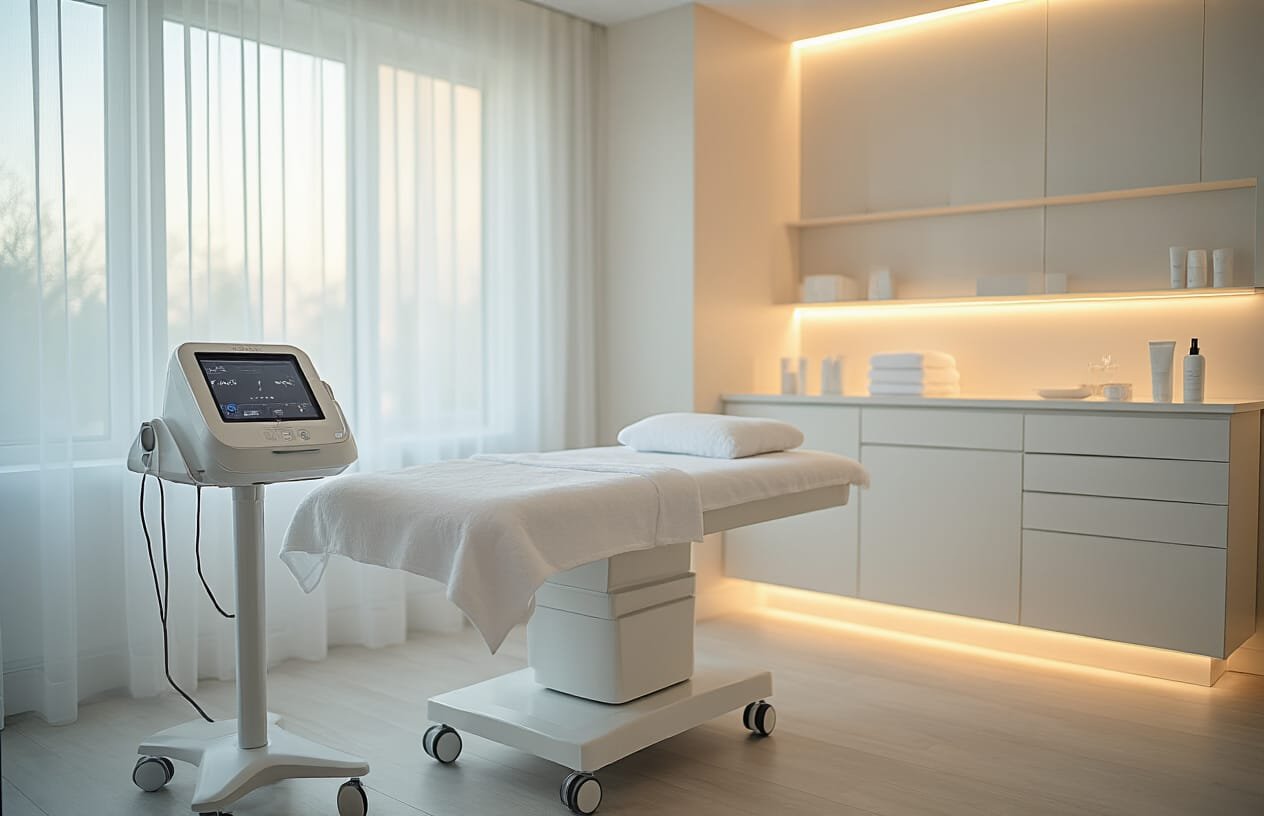
Radio frequency skin treatments offer a promising path to firmer, more youthful-looking skin without the downtime of surgery. The technology works by heating deeper skin layers to boost collagen production, and most people see gradual improvements over several sessions. While RF treatments work well for mild to moderate skin concerns, they’re not magic – you’ll need realistic expectations and the right aftercare routine to get the best results.
Before booking your first session, make sure you’re a good candidate and can commit to the full treatment plan. Talk openly with your provider about costs, timeline, and any concerns you might have. With the right approach and proper preparation, RF treatments can be a safe, effective way to refresh your appearance and boost your confidence in your skin.
Radio frequency for skin tightening – Does it work? Ask Doctor Anne
FAQ Questions and Responses
What is radio frequency in skin care?
Radio frequency (RF) in skin care is a non-invasive treatment that uses electromagnetic energy to safely penetrate and heat the deeper layers of your skin, specifically the dermis. This controlled heating creates a beneficial “thermal injury zone” that triggers the body’s natural healing response, which includes the immediate tightening of existing collagen fibers and the long-term ramp-up of new collagen production for firmer, smoother skin texture and powerful radio frequency anti aging benefits.
Is RF good for your face?
Yes, RF facial treatment is highly beneficial and often recommended for addressing mild to moderate signs of aging on the face. The radio frequency skin benefits are proven to deliver visible skin tightening, enhanced facial contouring effects, and significant reduction in fine lines and wrinkles. Because the energy primarily targets the collagen-rich dermis while leaving the epidermis cool, it’s a very safe and effective way to achieve a lifted and youthful look without the downtime of surgical procedures.
Can I use RF on my face every day?
No, you should not use professional RF treatments on your face every day. The treatment works by creating controlled thermal micro-injuries to stimulate collagen remodeling, a process that requires a recovery period. Professional RF skin tightening sessions are typically spaced 4-6 weeks apart to allow your skin adequate time to fully heal and produce new collagen between appointments, ensuring optimal, lasting results and minimizing potential RF treatment side effects.