At home skin care tools promise salon-quality results from your bathroom counter, but many people unknowingly damage their skin while trying to improve it. If you’re investing in facial rollers, cleansing brushes, or microneedling devices, you might be making critical mistakes that cause irritation, breakouts, or long-term skin damage instead of the glowing complexion you’re after.
This guide is for skincare enthusiasts who want to safely maximize their tool investments and avoid common pitfalls that dermatologists see every day. We’ll cover how using dirty tools can trigger serious breakouts and infections, why applying too much pressure with massage devices can actually harm your skin barrier, and the crucial pre and post-care steps most people skip that make all the difference in getting real results.
Stop sabotaging your skincare routine and learn how to use your tools the right way.
Using Dirty or Contaminated Tools on Your Face
Bacteria Buildup Leads to Breakouts and Infections
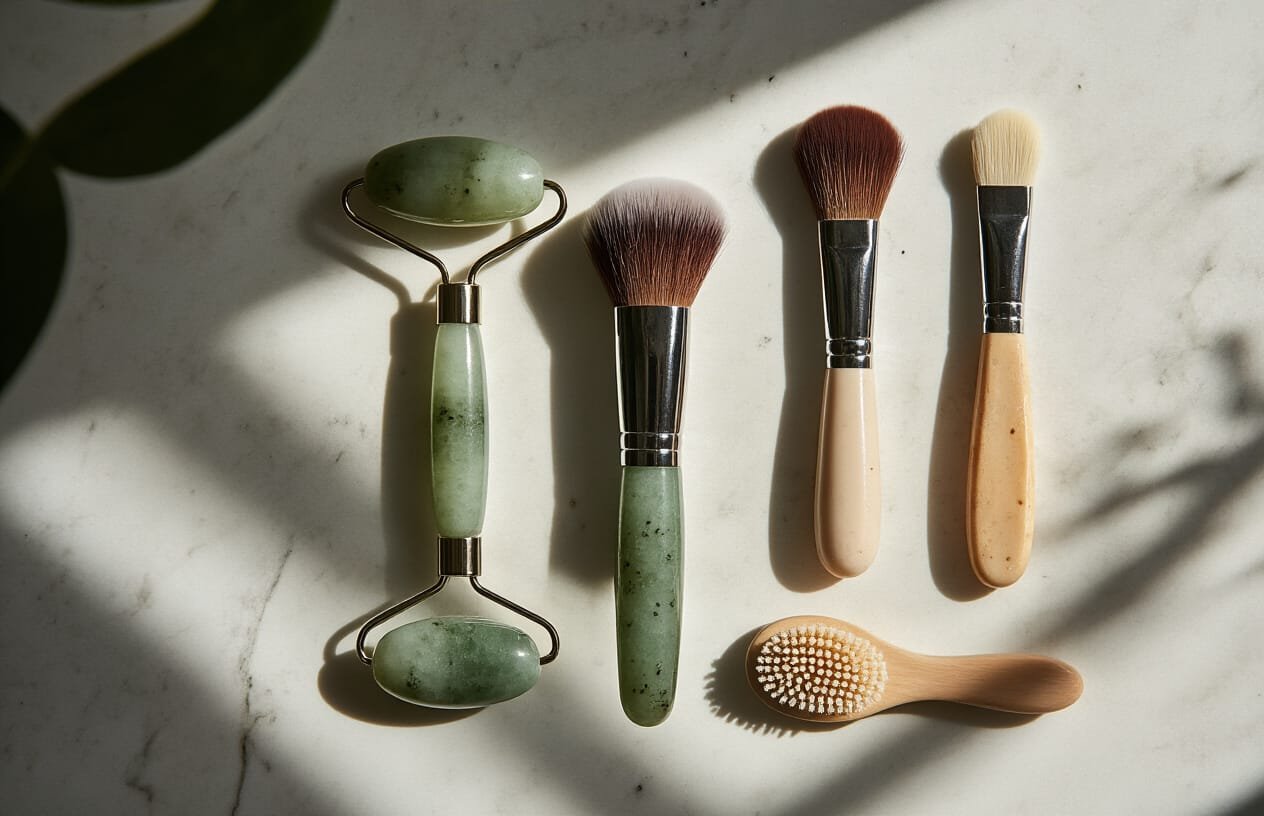
Dirty skincare tools become breeding grounds for harmful bacteria, fungi, and other microorganisms that can wreak havoc on your skin. When you use contaminated at home skin care tools, you’re essentially transferring these pathogens directly onto your face, creating the perfect storm for acne flare-ups, cystic breakouts, and even serious skin infections.
The warm, moist environment that many skincare tools create becomes an ideal habitat for bacteria like Staphylococcus and Propionibacterium acnes. These microorganisms multiply rapidly on unwashed tools, especially those made from porous materials like natural sponges or silicone brushes. Each time you use a dirty tool, you’re reintroducing these bacteria to your pores, where they can cause inflammation and infection.
Contaminated tools can also lead to cross-contamination between different areas of your face. If you have a breakout on your chin and use the same unwashed tool on your cheeks, you’re spreading those acne-causing bacteria to previously clear areas. This creates a vicious cycle where breakouts seem to appear in new locations despite your best skincare efforts.
Proper Cleaning Methods for Different Tool Materials
Different at home skin care tools require specific cleaning approaches based on their materials and construction. Understanding these differences ensures you’re effectively eliminating bacteria without damaging your investment.
Silicone Tools (Face Brushes, Cleansing Devices)
- Rinse immediately after each use with warm water
- Use antibacterial soap or gentle cleanser weekly
- Soak in 70% isopropyl alcohol for 10 minutes for deep sanitization
- Air dry completely before storage
Metal Tools (Gua Sha, Facial Rollers, Extractors)
- Wipe down with alcohol-soaked cotton pad after each use
- Use antibacterial soap and warm water for thorough cleaning
- Can withstand stronger disinfectants like hydrogen peroxide
- Dry immediately to prevent rust or tarnish
Natural Stone Tools (Jade Rollers, Rose Quartz)
- Clean gently with mild soap and lukewarm water
- Avoid harsh chemicals that can damage stone surfaces
- Use diluted tea tree oil solution for natural antimicrobial properties
- Pat dry with clean towel and air dry completely
Synthetic Brushes and Sponges
- Replace frequently as they harbor bacteria easily
- Clean after every use with antibacterial cleanser
- Squeeze out excess water and reshape while damp
- Allow to air dry in well-ventilated area
How Often to Sanitize Your Skincare Devices
The frequency of cleaning your skincare tools depends on usage patterns, skin sensitivity, and the specific tool type. Daily-use items require more frequent attention than occasional-use devices.
Daily Cleaning Requirements:
- Tools used on active breakouts or sensitive skin
- Devices that come into contact with serums or oils
- Any tool used around the eye area
- Extraction tools and pore strips
Weekly Deep Cleaning:
- Electronic devices like sonic brushes
- Tools used 2-3 times per week
- Storage containers and tool cases
- Backup tools in rotation
Monthly Sanitization:
- Rarely used specialty tools
- Storage areas and drawers
- Tool replacement assessment
Create a cleaning schedule and stick to it religiously. Many people clean their makeup brushes regularly but forget about their skincare tools, which can be even more problematic since they’re used on freshly cleansed, vulnerable skin.
Warning Signs Your Tools Need Immediate Cleaning
Recognizing when your at home skin care tools have become contaminated can prevent serious skin issues. Watch for these telltale signs that indicate immediate cleaning is necessary.
Visual Indicators:
- Visible buildup of oils, dead skin, or product residue
- Discoloration or staining on tool surfaces
- Fuzzy or slimy texture on normally smooth tools
- White or colored spots indicating mold growth
Performance Changes:
- Tools that used to glide smoothly now drag across skin
- Reduced effectiveness of vibrating or electronic functions
- Uneven application of products during use
- Increased skin irritation during or after tool use
Odor Detection:
- Musty or sour smells emanating from tools
- Metallic odors from supposedly clean metal tools
- Sweet or fruity scents indicating bacterial fermentation
- Any odor that wasn’t present when tools were new
Skin Reactions:
- Sudden breakouts in areas where you use specific tools
- Increased sensitivity or burning sensations during use
- Red, inflamed skin immediately after tool application
- Persistent skin issues that don’t respond to other treatments
When you notice any of these warning signs, stop using the tool immediately and perform a thorough cleaning cycle. Sometimes the damage is irreversible, and replacement becomes necessary to maintain healthy skin.
Applying Too Much Pressure with Facial Massage Tools

Capillary damage from aggressive rolling techniques
The delicate blood vessels beneath your skin weren’t designed to handle intense pressure from at home skin care tools. When you use facial rollers, gua sha tools, or other massage devices with too much force, you can actually rupture these tiny capillaries, leading to permanent visible damage that looks like spider veins or red spots under the skin.
Many people think that pressing harder with their jade roller or stainless steel tool will give them better results, but this aggressive approach backfires completely. Broken capillaries create a mottled, uneven skin tone that’s incredibly difficult to treat. Once damaged, these blood vessels rarely repair themselves naturally, often requiring professional laser treatments or medical intervention to reduce their appearance.
The pressure you apply should feel like a gentle caress, not a deep tissue massage. Your facial skin is much thinner than the skin on your body – sometimes up to ten times thinner around the delicate eye area. What feels like moderate pressure on your shoulders could be devastatingly harsh for your face.
Bruising and inflammation from excessive force
Aggressive tool use creates a cascade of inflammatory responses that actually ages your skin faster. When you apply excessive pressure, you’re essentially creating micro-trauma that triggers your body’s inflammatory pathways. This shows up as visible bruising, persistent redness, and swelling that can last for days or weeks.
The inflammation doesn’t just affect the surface either. Deep tissue bruising from overzealous rolling or scraping can damage the lymphatic system underneath your skin, which is responsible for draining toxins and reducing puffiness. When this system gets compromised, you end up with the opposite of what you wanted – more swelling, dullness, and congestion.
Your skin starts producing stress hormones like cortisol when it’s repeatedly traumatized by harsh tool use. These hormones break down collagen and elastin, the very proteins that keep your skin firm and youthful. What started as an anti-aging routine becomes a fast track to premature aging.
Safe pressure levels for different skin types
Different skin types require completely different pressure approaches when using facial tools. Sensitive skin needs the lightest touch possible – think of it like handling a soap bubble. If you have rosacea, eczema, or generally reactive skin, your pressure should be so gentle that the tool barely makes contact with your skin surface.
| Skin Type | Pressure Level | Tool Movement |
|---|---|---|
| Sensitive/Reactive | Feather-light | Slow, minimal contact |
| Normal | Light to moderate | Gentle, controlled strokes |
| Oily/Thick | Moderate | Steady, even pressure |
| Mature | Light | Extra gentle around delicate areas |
Normal skin can handle slightly more pressure, but you should still err on the side of caution. The golden rule is that if you can feel any discomfort, you’re using too much force. Your skin should feel relaxed and refreshed after using tools, never sore or irritated.
Oily, thicker skin might tolerate a bit more pressure, but this doesn’t mean you should go wild. Even resilient skin can be damaged by excessive force. Pay attention to how your skin responds after each session – any lingering redness or sensitivity means you need to dial back the intensity significantly.
Overusing Exfoliating Devices and Scrubbing Tools
Skin Barrier Destruction from Daily Mechanical Exfoliation
Your skin’s protective barrier works around the clock to keep moisture in and harmful elements out. When you use mechanical exfoliating tools daily, you’re essentially sandpapering away this crucial defense system. Dermaplaners, facial brushes, and scrubbing devices remove dead skin cells, but they also strip away the natural oils and proteins that form your skin’s barrier.
Daily mechanical exfoliation creates microscopic tears in your skin’s surface. These tiny wounds might not be visible, but they compromise your skin’s ability to heal and protect itself. Your complexion starts looking dull, feels tight, and becomes more prone to breakouts and irritation. The very tools meant to reveal glowing skin end up doing the opposite when used too frequently.
Increased Sensitivity and Redness from Overuse
Overusing at home skin care tools turns even the most tolerant skin types into sensitive, reactive surfaces. Your face starts feeling like it’s constantly sunburned – tight, hot, and uncomfortable. Redness becomes your new normal, spreading across your cheeks, forehead, and chin.
The constant mechanical stimulation triggers inflammatory responses in your skin. Blood vessels dilate more easily, creating persistent flushing that makeup can’t fully cover. You might notice stinging sensations when applying products that never bothered you before. Even gentle cleansers start feeling harsh, and your skin reacts to ingredients it previously handled without issue.
This hypersensitivity isn’t just temporary irritation – it’s your skin’s distress signal. The overworked cells can’t repair themselves properly between exfoliation sessions, leaving you stuck in a cycle of inflammation and sensitivity.
Optimal Frequency Guidelines for Different Exfoliating Tools
Different exfoliating devices require specific usage schedules to maintain healthy skin. Manual facial brushes should be used 2-3 times per week maximum, giving your skin time to recover between sessions. Electric cleansing brushes need even more restraint – once or twice weekly prevents over-stimulation.
Dermaplaning tools require the most caution, with professional aestheticians recommending monthly sessions. Home dermaplaning should never exceed bi-weekly use, and only for those with experience handling the blade properly. Facial scrubbing mitts and textured cloths work best when used every other day, alternating with gentler cleansing methods.
| Tool Type | Maximum Frequency | Recovery Time |
|---|---|---|
| Manual facial brush | 2-3 times/week | 2-3 days |
| Electric cleansing brush | 1-2 times/week | 3-4 days |
| Dermaplaning tools | Bi-weekly | 7-14 days |
| Scrubbing mitts | Every other day | 1-2 days |
| Konjac sponges | Daily (gentle) | None needed |
How to Recognize Over-Exfoliated Skin
Over-exfoliated skin sends clear warning signals that you need to step back from your tools. Your complexion looks raw and inflamed, resembling a mild sunburn that won’t fade. The skin feels uncomfortably tight, especially after cleansing, and normal moisturizers sting upon application.
Watch for these telltale signs:
- Persistent redness that doesn’t subside overnight
- Skin that feels rough and bumpy instead of smooth
- Increased breakouts in areas you don’t typically get acne
- Flaking or peeling that seems excessive
- Products that used to feel comfortable now cause burning
- Your skin looks shiny but not in a healthy, glowing way
When you spot these symptoms, immediately stop using all exfoliating tools. Focus on gentle, hydrating products and give your skin at least a week to repair itself. Your barrier function needs time to rebuild, and pushing through the irritation only makes recovery longer and more difficult.
Using the Wrong Tool for Your Specific Skin Type
Sensitive Skin Reactions to Harsh Metal Implements
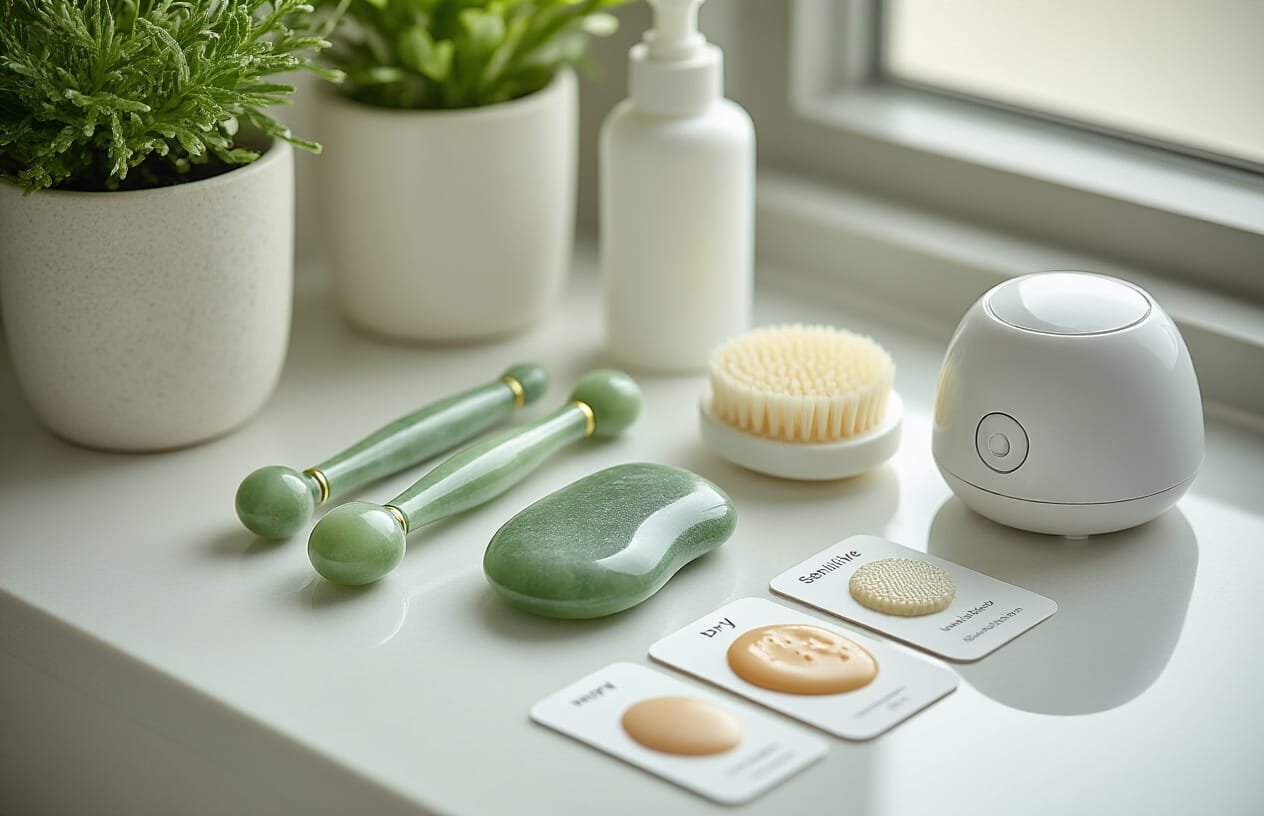
Sensitive skin and metal skincare tools can be a recipe for disaster. Many people with delicate complexions grab the first jade roller or gua sha tool they see, not realizing that certain metals and materials can trigger severe reactions. Stainless steel tools, while durable and easy to clean, often contain nickel – a common allergen that causes contact dermatitis in about 10-15% of the population.
When you have sensitive skin, your barrier function is already compromised. Adding harsh metal implements like aggressive microcurrent devices or poorly-made facial massage tools can worsen inflammation and create lasting damage. Signs you’re using the wrong tool include persistent redness, burning sensations, or small bumps appearing after use.
The safest At Home Skin Care Tools for sensitive skin include rose quartz rollers, smooth ceramic implements, or high-grade surgical steel options that are nickel-free. Always patch test new tools on your inner wrist before using them on your face. If you experience any tingling, burning, or unusual warmth, stop immediately.
Acne-Prone Skin Complications from Comedogenic Tools
Acne-prone skin requires extra careful tool selection because the wrong materials can worsen breakouts and create new problem areas. Porous tools like certain wooden implements or low-quality silicone brushes can harbor bacteria even after cleaning, leading to recurring infections and cystic acne.
Rubber-based tools and certain plastic implements can also be comedogenic, meaning they block pores and encourage blackhead formation. This is especially problematic around the T-zone where oil production runs high. Many people unknowingly use tools made from materials that break down over time, releasing particles that clog pores.
The biggest mistake is using tools with rough or textured surfaces that create micro-tears in already inflamed skin. These tiny wounds become entry points for bacteria, turning minor breakouts into major flare-ups. Smooth, non-porous materials like medical-grade silicone, glass, or properly sealed stainless steel work best for acne-prone skin.
Mature Skin Damage from Inappropriate Device Selection
Mature skin has different needs than younger complexions, yet many people continue using the same aggressive tools they relied on in their twenties and thirties. As skin loses collagen and becomes thinner with age, harsh exfoliating brushes and high-frequency devices can cause permanent damage that shows up as broken capillaries, hyperpigmentation, or increased sensitivity.
Older skin also heals more slowly, so any damage from inappropriate tools takes longer to resolve and may leave lasting marks. Heavy-handed devices that pull or stretch the skin can worsen sagging and create new wrinkles, especially around delicate areas like the eyes and neck.
The key is choosing gentle, supportive tools that work with mature skin’s natural healing processes rather than against them. Soft silicone brushes, low-intensity LED devices, and smooth massage tools help stimulate circulation without causing trauma. Avoid anything with sharp edges, high-vibration settings, or suction features that can damage fragile capillaries.
Ignoring Proper Technique When Using Skincare Devices
Incorrect Gua Sha Movements Causing Skin Stretching
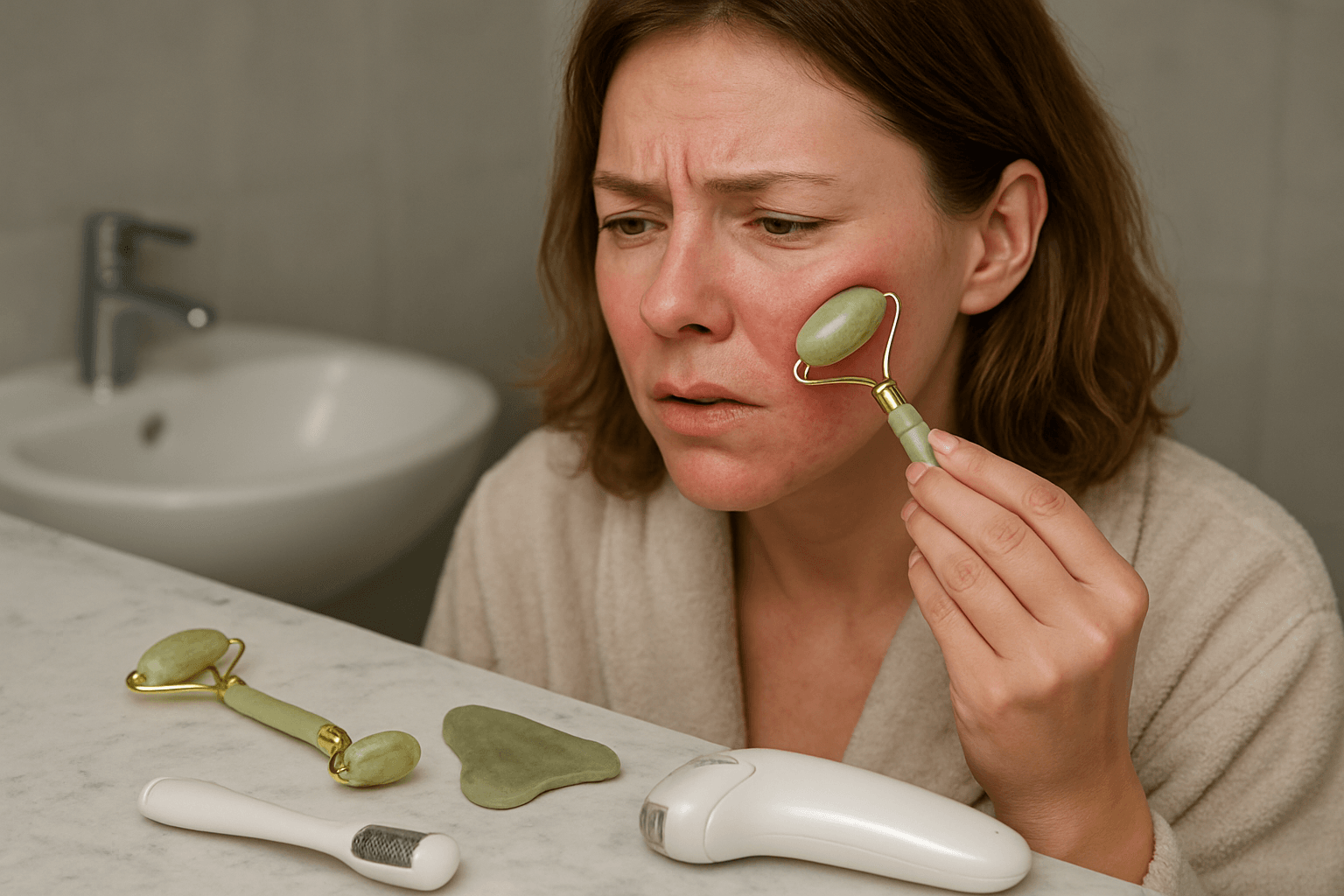
Many people dive into gua sha without understanding the fundamental rule: always move upward and outward. Dragging the tool downward or inward works against your skin’s natural structure and can stretch delicate facial tissues. The correct technique involves gentle upward strokes from the center of your face toward your hairline and ears.
Start at your jawline and sweep upward toward your temples, never pulling down toward your neck. For your cheeks, begin near your nose and glide outward toward your ears with consistent pressure. Your forehead requires horizontal movements from the center outward, followed by vertical strokes moving up toward your hairline.
The biggest mistake people make is treating gua sha like a deep tissue massage. Your facial skin is incredibly thin compared to your body, so aggressive movements create micro-tears and premature sagging. Keep your strokes smooth and deliberate, holding the tool at a 15-degree angle against your skin.
Wrong Direction Usage Leading to Premature Aging
Using at home skin care tools in the wrong direction accelerates aging by working against your lymphatic system’s natural drainage patterns. Your lymph nodes are positioned around your ears, temples, and collar bones – these are your drainage points where toxins and excess fluid exit your face.
When you massage or roll in random directions, you’re essentially pushing fluid and toxins back into areas where they create puffiness and inflammation. This constant backflow strains your skin’s elasticity and contributes to sagging over time.
Face rollers should always move from the center outward: chin to ears, nose to temples, and forehead center to hairline. Microneedling devices require specific patterns too – vertical, horizontal, and diagonal passes in systematic sections, never random stabbing motions that create uneven micro-channels in your skin.
Missing Key Preparation Steps Before Tool Application
Jumping straight into tool usage without proper preparation sets you up for irritation and reduced effectiveness. Clean skin is non-negotiable, but many people skip the crucial step of applying a serum or facial oil before using their tools.
Dry tool usage creates friction that can scratch your skin’s surface and cause redness. A thin layer of hyaluronic acid serum or facial oil creates the perfect glide for gua sha stones and face rollers while helping your skin absorb the product more effectively.
For electronic devices like LED masks or microcurrent tools, follow the manufacturer’s prep instructions exactly. Some require completely clean, product-free skin, while others work better with conductive gels. Missing these steps can reduce treatment effectiveness by up to 70%.
Temperature Mistakes That Shock or Burn Skin
Temperature extremes can damage your skin faster than you realize. Many people store jade rollers in the freezer thinking “colder is better,” but severely cold tools can cause ice burns and broken capillaries, especially around your delicate eye area.
The ideal temperature for cooling tools is refrigerator-cold, not freezer-cold. This provides the anti-inflammatory benefits without shocking your skin. Similarly, heated tools should feel warm, not hot. If a device feels too hot on your wrist, it’s definitely too hot for your face.
Hot stone gua sha tools need careful attention to temperature. Test them on your inner arm before facial use, and never use them immediately after heating. Let them cool to a comfortable warm temperature that soothes rather than burns.
Duration Errors That Cause Irritation
More isn’t always better with skincare tools. Each device has an optimal usage time that maximizes benefits while preventing overstimulation. Face rollers work best with 3-5 minutes of gentle pressure, while gua sha sessions should last 5-10 minutes maximum.
Overdoing it leads to redness, sensitivity, and even bruising. Your skin needs time to recover between sessions, especially when using exfoliating tools or devices that increase blood flow. Most tools should be used 2-3 times per week, not daily, despite what social media influencers might suggest.
Electronic devices often have automatic timers for good reason. Microcurrent tools typically shut off after 15-20 minutes because longer sessions can overstimulate facial muscles and cause tension headaches.
Skipping Essential Pre and Post-Tool Care Steps
Failing to prep skin with appropriate serums or oils
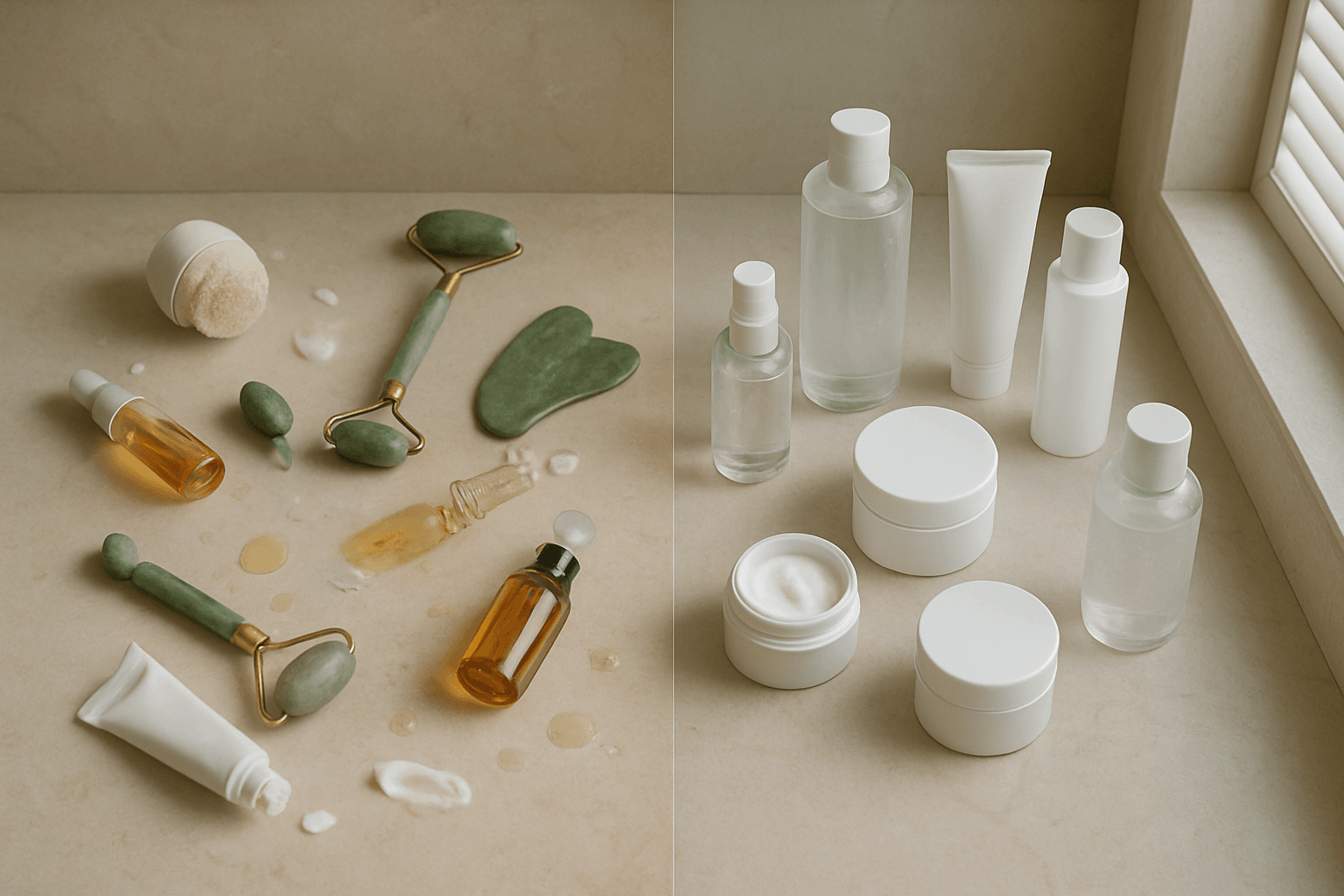
Your skin needs proper preparation before you reach for any at home skin care tools. Think of it like priming a canvas before painting – skip this step, and you’re setting yourself up for disappointing results or potential damage.
Many people grab their jade roller, gua sha tool, or facial massage device and start working on completely bare skin. This creates unnecessary friction that can irritate your complexion and reduce the tool’s effectiveness. Your skin needs a protective barrier and proper slip to allow tools to glide smoothly across the surface.
Different tools require different prep work. For massage tools like rollers and gua sha stones, apply a lightweight facial oil or serum first. This creates the perfect glide while delivering active ingredients deeper into your skin through the massage action. For devices like microcurrent tools or LED masks, clean, dry skin often works best, but always check your device instructions.
Water-based serums work well under most tools, but oil-based products provide superior slip for manual massage implements. Hyaluronic acid serums are particularly effective because they create a smooth surface while drawing moisture into your skin during the treatment.
Not following up with proper moisturizing routines
The work isn’t done once you put your skincare tool away. Your skin has just received increased circulation, potential micro-exfoliation, or enhanced product penetration – now it needs proper nourishment to maximize these benefits.
Post-tool care varies depending on what you’ve used. After massage tools, your skin is primed to absorb products more effectively. This is the perfect time to apply your most potent serums and moisturizers. The increased blood flow and lymphatic drainage create an ideal environment for deeper product penetration.
Following exfoliating tools like dermarollers or sonic brushes, your skin needs gentle, healing ingredients. Look for products containing ceramides, niacinamide, or peptides to support skin barrier repair. Avoid harsh actives like retinoids or acids immediately after aggressive treatments.
Your moisturizing routine should match the intensity of your tool session. Gentle massage tools might only require your regular moisturizer, while more intensive treatments may need a heavier, more reparative cream or even a hydrating mask.
Sun protection neglect after tool treatments
Here’s where many people drop the ball completely. After using skincare tools, especially exfoliating ones, your skin becomes more vulnerable to sun damage. Many treatments remove dead skin cells or increase cellular turnover, essentially revealing fresh, unprotected skin that’s particularly sensitive to UV rays.
This increased photosensitivity can last for days or even weeks after certain treatments. Microneedling tools, chemical exfoliants, and aggressive massage techniques can all leave your skin more susceptible to burning, hyperpigmentation, and premature aging.
Make SPF 30 or higher your non-negotiable final step, regardless of whether you’re staying indoors. UV rays penetrate windows, and even brief outdoor exposure can cause damage to sensitized skin. Reapply throughout the day, especially if you’ve used any exfoliating tools in your routine.
Consider scheduling intensive tool treatments for evening use when possible. This gives your skin overnight to begin recovery before facing UV exposure. If you must use tools during the day, be extra vigilant about sun protection and consider wearing a wide-brimmed hat during outdoor activities.
Using Expired or Low-Quality Skincare Tools
Degraded Materials Releasing Harmful Substances
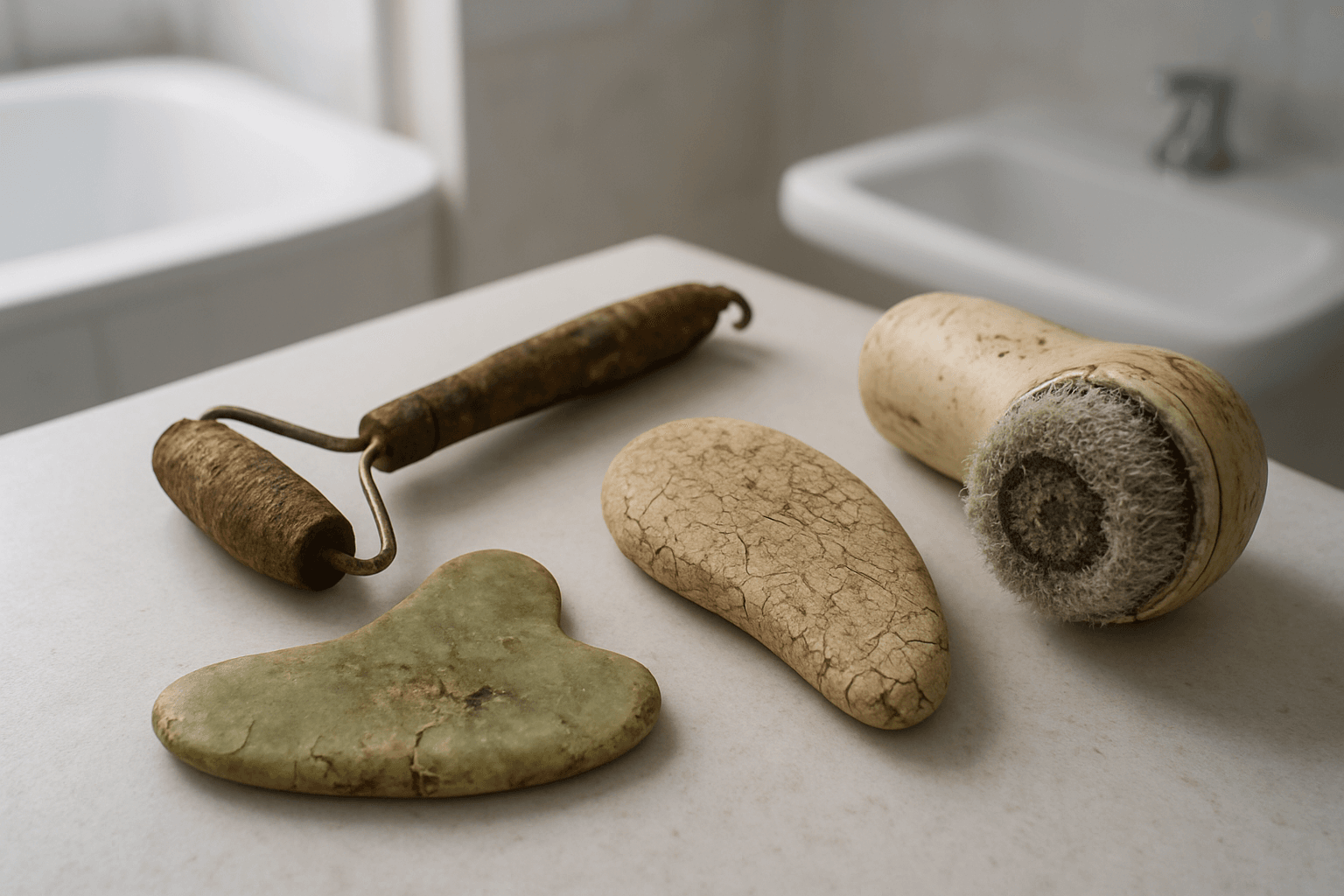
When skincare tools age beyond their prime, the materials they’re made from start breaking down in ways that can seriously harm your skin. Plastic components become porous and brittle, creating microscopic cracks where bacteria love to hide. Metal parts develop rust or corrosion that can scratch and irritate sensitive facial skin. Even silicone brushes and applicators lose their integrity over time, releasing particles that clog pores and cause inflammation.
The breakdown process happens faster than most people realize. Heat from sterilization, exposure to skincare acids, and regular wear all accelerate material degradation. Those tiny rubber bristles on your facial brush? They’re shedding microscopic pieces directly onto your face. That jade roller with the cloudy surface isn’t just losing its aesthetic appeal – it’s potentially releasing mineral particles that can damage your skin barrier.
Ineffective Results from Worn-Out Device Components
Expired At Home Skin Care Tools simply can’t deliver the results they once did. Electric devices lose their motor power, vibration intensity decreases, and heating elements become unreliable. Your microcurrent device that once gave you that lifted, toned look now barely registers any sensation because the conductivity has diminished.
Manual tools suffer too. Gua sha stones develop rough patches that drag against skin instead of gliding smoothly. Derma rollers with bent or dulled needles create uneven punctures that heal poorly and leave marks. Face massagers lose their grip and texture, making them slide around ineffectively instead of providing the deep tissue work your skin needs.
The frustrating part is that you’ll keep using these tools expecting the same results, potentially overcompensating with more pressure or longer sessions that damage your skin.
Safety Risks from Poorly Manufactured Tools
Cheap, low-quality skincare tools pose immediate safety threats that expensive mistakes can’t fix. Poorly welded seams on metal tools can slice skin unexpectedly. Electrical devices without proper insulation can cause burns or shocks, especially when used with wet hands or in steamy bathroom environments.
Many knockoff devices lack basic safety certifications and use materials never intended for facial contact. Lead paint on decorative elements, toxic adhesives in electronic components, and untested plastics containing harmful phthalates all show up in bargain skincare tools. These substances can cause allergic reactions, hormonal disruption, and long-term health issues.
Battery compartments in cheap devices often leak, creating chemical burns and permanent scarring. The savings aren’t worth the medical bills or permanent damage to your skin.
How to Identify When Tools Need Replacement
Smart replacement timing prevents skin damage before it starts. Replace manual tools every 6-12 months depending on usage frequency. Look for obvious signs: cracks, discoloration, rough textures where smooth surfaces should be, or any coating that’s peeling or flaking off.
Electric devices typically need replacement every 2-3 years, but watch for performance changes. Reduced vibration strength, inconsistent heating, or battery life that’s significantly shorter than when new all signal it’s time to upgrade.
Create a simple tracking system: write purchase dates on tools with permanent marker or keep a skincare tool log on your phone. Set calendar reminders for replacement dates so you’re not left guessing whether that face brush is still safe to use.
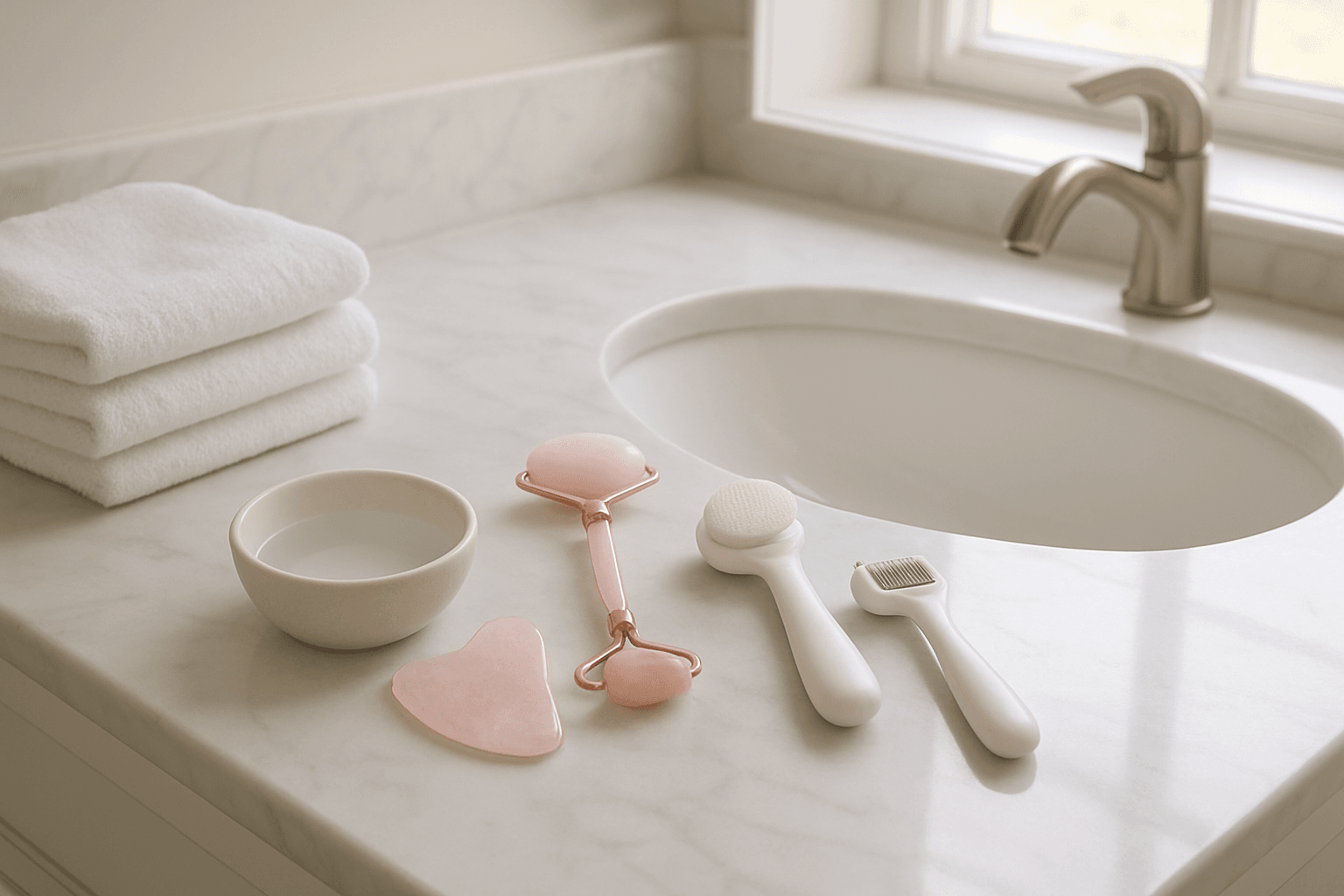
Taking care of your skin at home with the right tools can be amazing, but making these seven common mistakes can actually harm your complexion instead of helping it. From using dirty tools that spread bacteria to applying too much pressure during facial massage, these errors can lead to breakouts, irritation, and even long-term skin damage. Remember that your specific skin type matters when choosing tools, and proper technique is just as important as the device itself.
The good news is that all of these mistakes are completely avoidable with a little knowledge and attention to detail. Clean your tools regularly, be gentle with your skin, and don’t skip the prep and aftercare steps that keep your skin healthy. If you’re unsure about which tools work best for your skin type or how to use them properly, consider talking to a dermatologist or skincare professional. Your skin will thank you for taking the time to do things right instead of rushing through your routine.
Worst Skincare Mistakes My Patients Make
FAQ Questions and Answers
What is the 4 2 4 rule in skincare?
The 4-2-4 rule is a popular Korean double cleansing method used to thoroughly prep your skin before using any at home skin care tools. It involves massaging a cleansing oil into your dry face for 4 minutes, followed by a light foam cleanser with water for 2 minutes, and finally rinsing with water for 4 minutes. This extensive initial cleaning ensures all makeup, oil, and impurities are removed, preventing the spread of contaminants from dirty tools that could lead to breakouts.
What is the 1% rule in skincare?
The 1% rule most commonly refers to the recommended concentration for active ingredients like retinol or certain exfoliating acids, but it can also be interpreted as the minimal frequency for highly active treatments. When incorporating new or intensive skincare devices like dermaplaning or high-frequency tools, it is wise to start at a minimal frequency (like once a week or every two weeks—a “1% frequency”) to avoid skin barrier destruction and prevent increased sensitivity or irritation.
Do at-home skin tightening devices really work?
At-home skin tightening devices, such as microcurrent or radiofrequency tools, can offer noticeable, temporary results in lifting and firming the complexion when used correctly and consistently. It is crucial, however, to avoid the mistake of applying too much pressure or using them too frequently, as this can damage the delicate blood vessels beneath your skin. Always follow the manufacturer’s directions regarding technique and duration to achieve the desired glowing complexion without causing inflammation.